New FRDC-backed study delivers compelling evidence for foodservice operators
/An independent review of the latest scientific evidence confirms that regular consumption of seafood delivers a suite of health benefits across all life stages, offering Australian foodservice operators a powerful point of difference for menus and marketing.

Conducted in early 2025 by Murdoch University’s Dr Wendy Hunt and Professor Alexandra McManus (Curtin University and University of Notre Dame Australia), the study analysed 281 peer-reviewed scientific papers on seafood and human nutrition. Commissioned by the International Coalition of Fisheries Associations (ICFA), and supported by the FRDC, the research provides a strong evidence base for promoting seafood as part of a healthy diet. Importantly, the study was completely independent with no influence from industry on results or recommendations.
Key scientific findings
Two servings a week delivers real health outcomes
The evidence supports consumption of at least two serves of seafood per week (100–150g per serve), with at least one serve rich in omega-3 fatty acids – nutrients well known for supporting cardiovascular and cognitive health.
Broad health benefits documented
Scientific summaries from the research show
Cardiovascular benefits: Two serves weekly associated with reduced risk of heart attacks and circulatory disease.
Cognitive & mental health: Regular seafood linked to lower risk of dementia and improvements in mental wellbeing.
Maternal & child health: Omega-3 intake during pregnancy supports healthy birth outcomes.
Healthy ageing: Higher seafood intake reduces risk of frailty and bone density loss in older adults.
Cancer risk reduction: Eating non-fried fish is associated with a lower risk of several cancers.
Whole food benefits beyond supplements
While supplements can deliver some of the nutritional benefits of fish oils, the study highlights that eating whole fish and shellfish provides a broader spectrum of nutrients – including protein, vitamins (A, B12, D, E), minerals such as iodine, selenium and zinc – that contribute to overall health.
Opportunity for foodservice operators
With Australians currently eating below recommended seafood intake levels, the foodservice sector has a pivotal role to play in boosting consumption and customer wellbeing. Including creative, accessible seafood options on menus isn’t just good for business – it’s aligned with strong evidence linking seafood with long-term health outcomes.
Operators can leverage these findings to:
Develop nutrient-rich menu items that highlight omega-3 benefits
Educate consumers with clear health messaging
Use seafood as a differentiator in marketing aimed at health-conscious diners
Resources for chefs
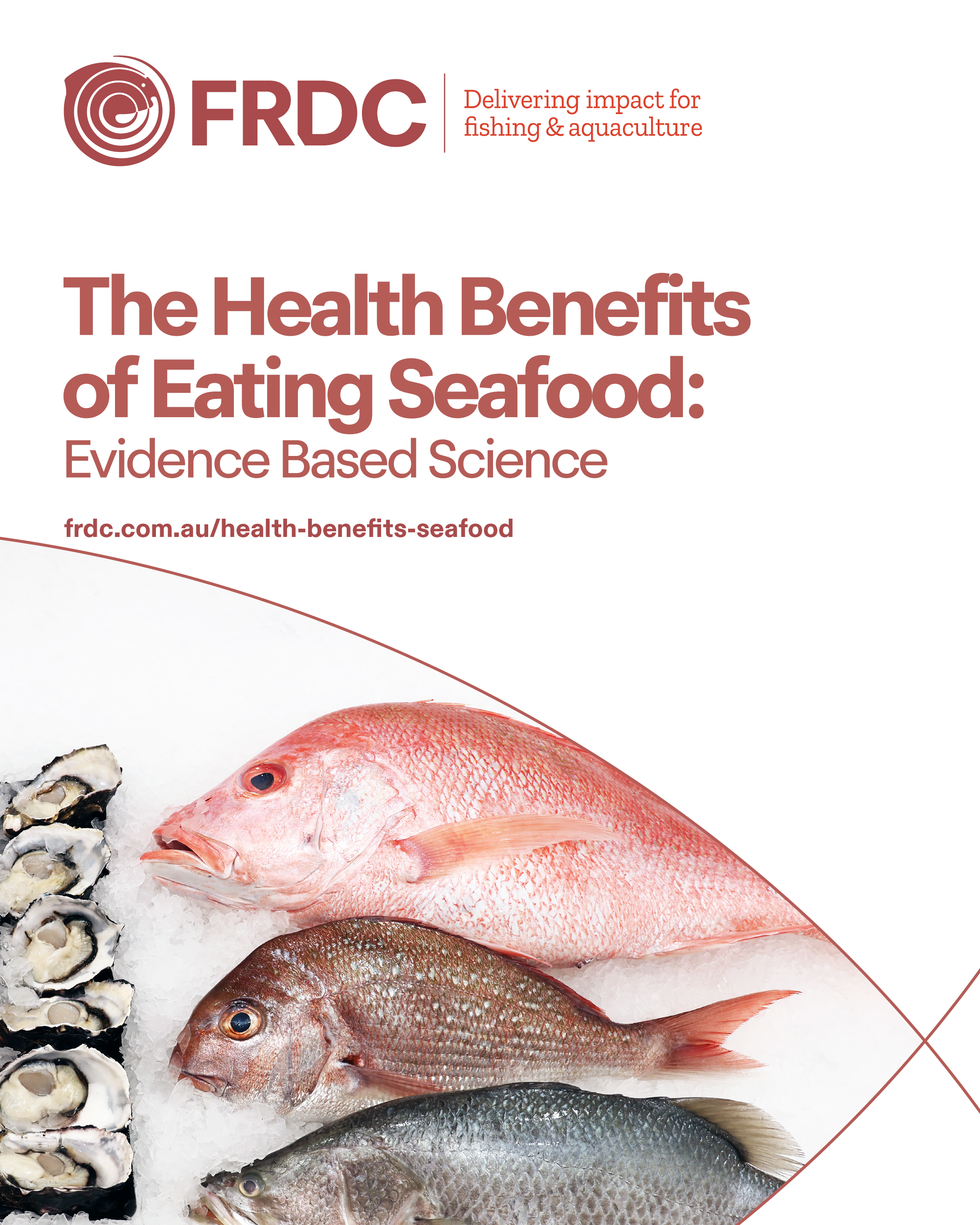
The FRDC and ICFA have also developed a suite of communication tools – including short summaries covering cardio, cognition, fertility, maternal health and more – that foodservice businesses can adapt for staff training and customer engagement.
To find out more or download a copy of the Seafood Nutrition Toolkit for chefs, visit: https://www.frdc.om.au/health-benefits-seafood