The white jacket life: a true story from the kitchen front lines
/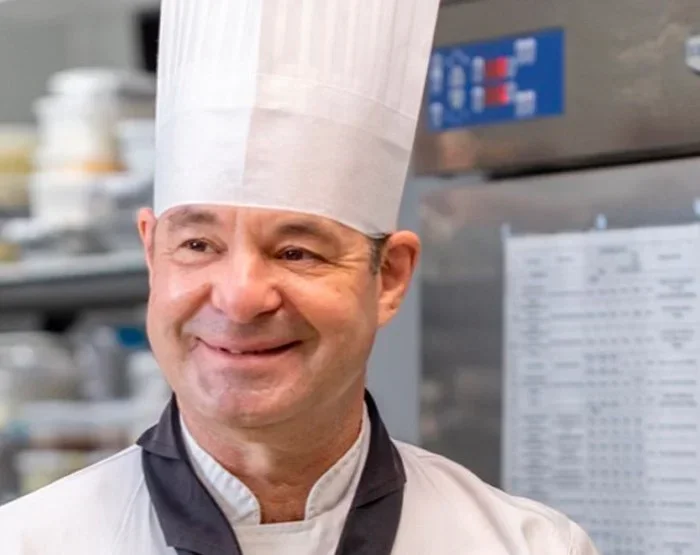
BY Chef Jeffrey Richard Gear
Senior Vice President – Australian Institute of Technical Chefs (AITC)
Former Royal Household Chef | Healthcare Culinary Leader | Mentor to Many
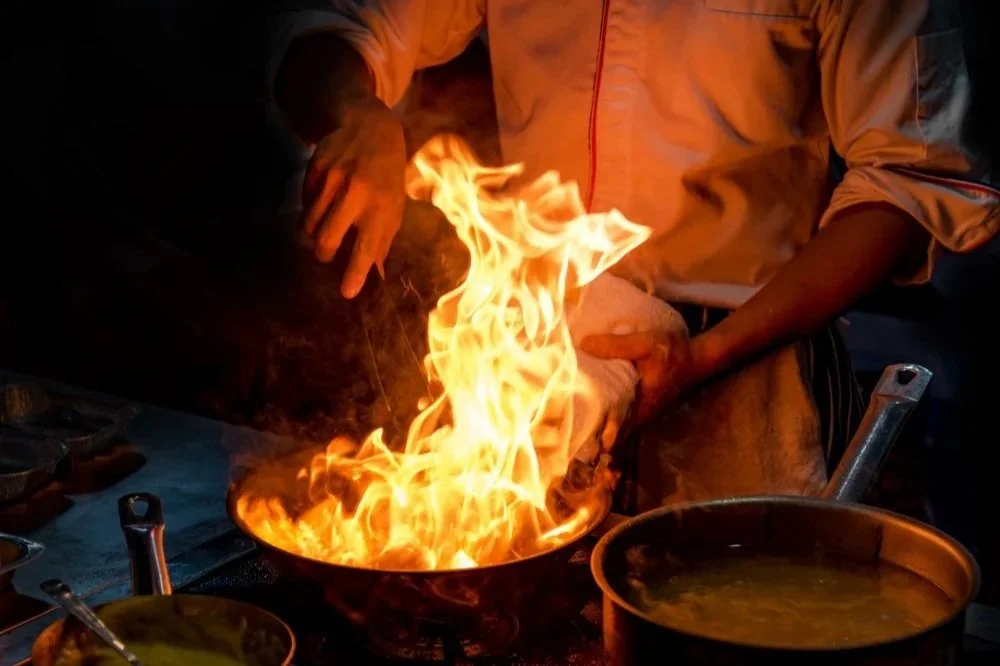
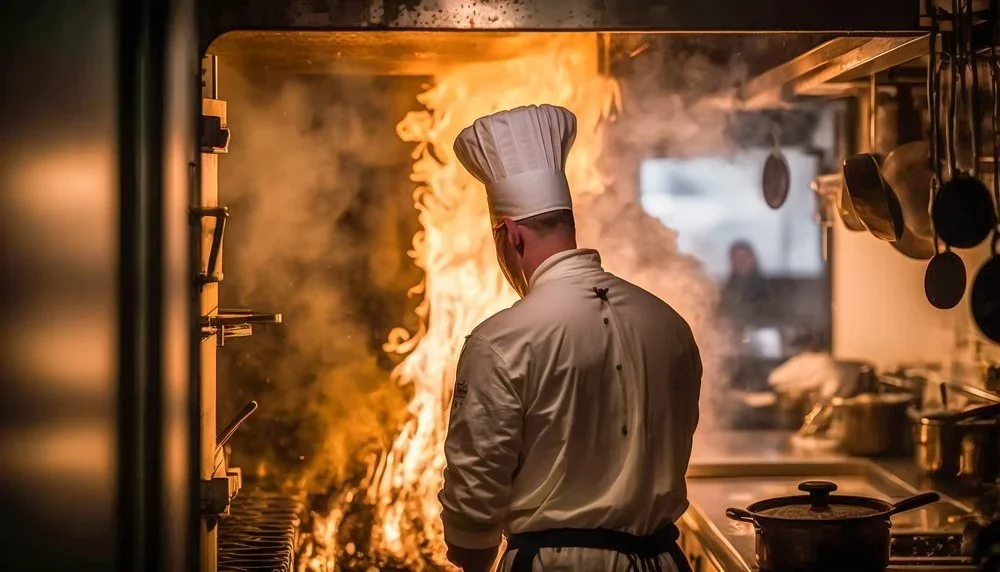
So you want to be a chef? Let me tell you a story. It starts with fire, burns with obsession and dances somewhere between divine artistry and complete bloody chaos. It’s early mornings, late nights, aching feet, numb fingers and an empty fridge at home. It’s shouting “Yes, Chef!” even when your soul is screaming “No more!”
Being a chef is the most rewarding, heartbreaking, joyous, brutal, hilarious, noble and exhausting profession in the world. And we love it. Or at least, we do until it breaks us. And then – if we’re lucky – we find a way back.
Born into the flame
Most of us didn’t grow up dreaming of spreadsheets or fluorescent-lit boardrooms. We were the kids hanging around Nonna’s stove or watching Dad work the barbecue like it was sacred ritual. For me, it was the scent of roasting lamb and baking bread on a farm near Mansfield, Victoria that stirred something deep. Something ancient.
At culinary school I learned to dice an onion before I learned to kiss a girl. I got my first burn at 16 and wore it like a badge of honour. While my mates were going to music festivals, I was learning to emulsify hollandaise and skin 300 tomatoes for a wedding.
It was a rite of passage and I walked into it willingly, sleeves rolled up and soul on fire.
Welcome to the jungle (aka the kitchen)
The kitchen is a place of paradox. It’s creative yet rigid, joyful yet hostile. It is a battlefield and a ballet – where precision matters as much as passion.
You’ll find the highest highs here:
That roar of adrenaline as service hits its peak.
The quiet moment when a diner mouths “wow” after the first bite.
The team rallying like soldiers under fire to plate 90 meals in 15 minutes – no one speaks but everyone knows.
And then, the lowest lows:
The screaming matches, the egos, the tears in the walk-in fridge.
The 15-hour shift followed by a double shift because someone called in sick.
The night your kid took their first steps while you were plating desserts.
No one really warns you that your personal life will become the side dish, not the main. You’ll miss weddings. You’ll forget anniversaries. You’ll send gifts instead of hugs. Your friends will stop inviting you because “Jeffrey’s always working.” And they’re right.
The good stuff (let’s not pretend it’s all pain)
Before I scare every young apprentice away – let me say this clearly:
There is no joy like creating food that makes people feel something.
No feeling like walking into your kitchen, your crew prepped and pumped, your mise en place shining like a war chest and your heart saying Let’s do this.
You’ll find laughter in the stupid jokes told over peeling potatoes. You’ll find pride when your apprentice finally juliennes with confidence. You’ll taste life in the sauce that took 48 hours to perfect.
There is magic in this work. A great chef doesn’t just cook, they orchestrate. They teach. They lead. They serve. And that moment when you watch your team nail a difficult service, when residents smile at their soup, or when a teenager tells you they want to be like you – that’s what it’s all for.
The family we choose (and sometimes lose)
Being a chef takes a toll on family – real family. Spouses grow weary of the “just one more hour” text. Kids stop waiting at the door. You forget your sister’s birthday and call from the back loading dock while wiping beef jus off your apron.
My marriage didn’t last through the early years. I loved my job more than I loved myself. I justified every missed dinner with I’m doing this for us. But it wasn’t true. I was doing it because I didn’t know how to stop.
Some chefs never come home from the kitchen – not really. And that’s the tragedy. We build empires in restaurants while our homes fall apart.
“Being a chef is not what I do. It’s who I am.”
But the flip side? The kitchen becomes your family. The old chef who taught you patience. The grumpy sous who watched your back. The kid who came in hung over but stayed to clean. These people become your tribe – your ride-or-die crew. In whites we’re all equal. We share scars and stories.
And when it’s good? When you’re working in sync, when the smells are right and the music’s thumping in prep and there’s banter flying? That’s home.
Chefs in 2026 – it’s not what it used to be
Today’s chef needs to be more than a cook. You’re expected to be a nutritionist, therapist, financial analyst, HR manager and Instagram icon.
We write IDDSI menus for aged care, cost meals to the last cent, cater to ten thousand allergens and smile politely while someone tells us they’re “low-carb pescatarian but also allergic to air.”
You need tech skills. You need to document HACCP like it’s scripture.
You need to train Gen Z while respecting old-school values. And you need to stay creative – even when the budget screams “no cheese”.
It’s not enough to know how to cook. You need to know why, for whom and at what cost.
Mental health, burnout and coming back from the edge
Let’s talk about the dark side, because it’s real. Burnout is a beast. So is depression, anxiety, addiction. Many chefs drink to sleep, sleep to recover, and then fake a smile for the next shift.
I’ve seen great chefs walk out midservice and never return. I’ve been close to that edge myself – tired, empty, wondering why I cared so much about perfectly round quenelles.
We have to do better. We have to look after ourselves and each other. We need industry leaders who build culture, not just menus. Chefs who say “Go home, I’ve got this” and others who respond “Thanks, Chef.”
If you’re reading this and struggling – speak up. There is no weakness in asking for help. The only weakness is pretending you don’t need it.
So … why do we keep doing it?
Because the kitchen is our canvas. Because food connects people – from hospital beds to wedding tables. Because we remember that first “Yes Chef” we said and it still echoes. Because one well-cooked roast can mend a broken day.
Because this life, with all its madness and scars, is worth it.
Not for the fame. Not for the hats. But for that look – the one a guest gives when they bite into something you made and their eyes say “Thank you. I feel seen.”
The next generation, and what I hope for them
To the apprentices just starting out: this career will shape you. It will hurt you. It will lift you. It will define you.
But don’t lose yourself to it. Don’t forget your family. Don’t forget to rest. And never, ever forget why you picked up the knife.
The next generation of chefs must be smarter, kinder, more balanced. They must lead with both fire and compassion. They must cook with their head and their heart.
As for me? I’ll keep mentoring, keep fighting for real food in aged care, keep wearing my whites with pride. I’ll keep showing up for the next service – a little older, a little slower, but always grateful.
Because being a chef is not what I do. It’s who I am.
Related articles