Why pork is a star performer on the burger menu
/It will come as no surprise to many foodservice professionals that the latest out-of-home research data shows pork is now appearing on around 70 per cent of menus nationwide*.
Not only is pork highly versatile, it provides great value across a wide range of cuisine styles and menu types – making it a cost-effective choice for the smart foodservice operator.
The key to pork’s popularity is its effectiveness as a flavour carrier, and nowhere is this more evident than in burgers, which are built on a foundation of flavoursome protein. It’s no wonder then that burgers and their smaller cousins sliders are one of the most popular food type for pork meals in out of home!
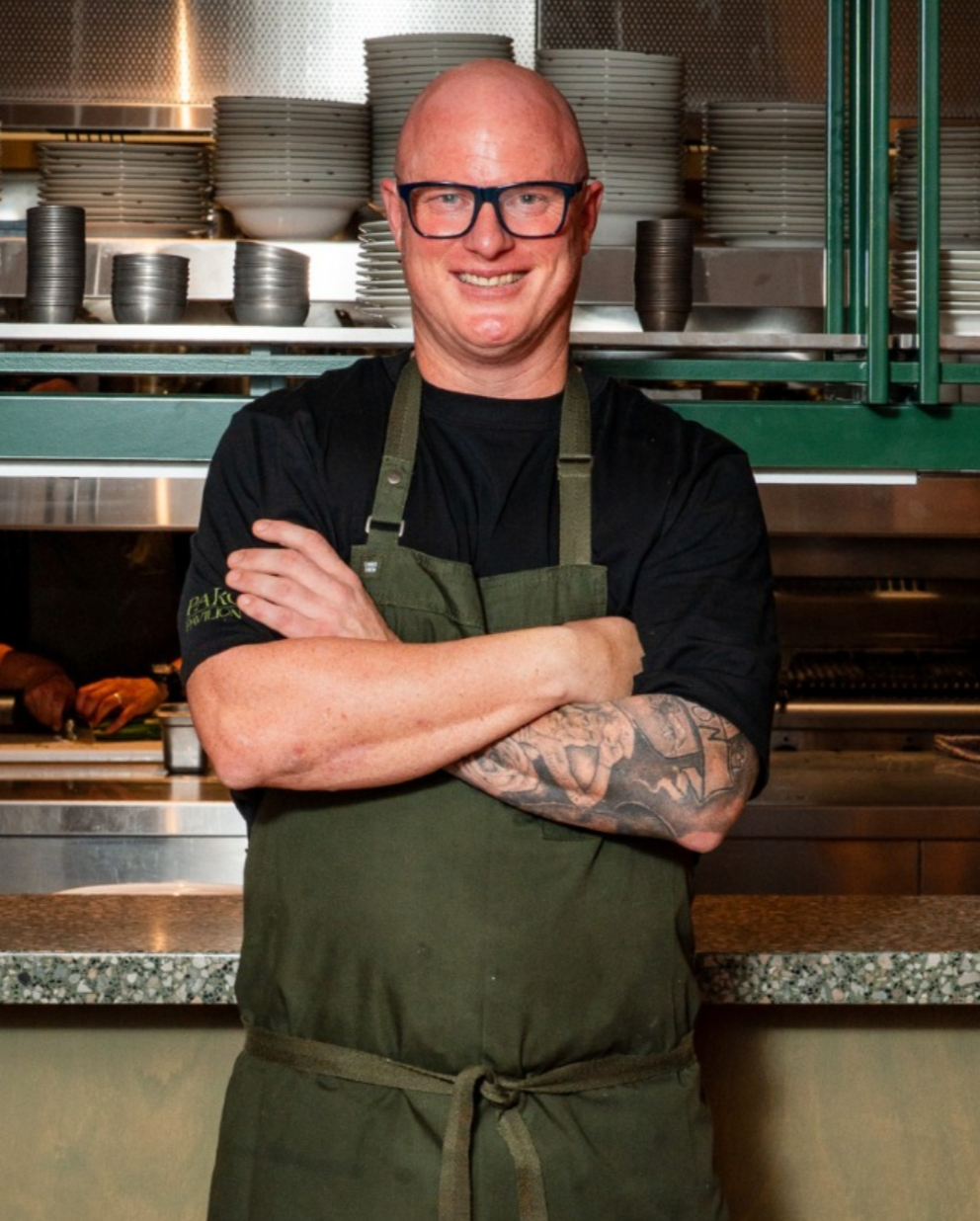
Feros Group Culinary director, Jamie Gannon
“If you don’t have a pork burger on your menu, you should,” says Chef Jamie Gannon, Culinary Director of Feros Group and the brains behind the latest round of recipes in the PorkStar Autumn/Winter 2026 recipe book.
“Pork offers great value and there are so many different cuts and configurations available, making it super versatile for burgers. You might use pork mince, pulled pork or pork belly, you could crumb a pork neck schnitzel or a pork cutlet, even slow-cook a pork shoulder or leg and use the meat from that.
“There are so many opportunities to differentiate your burger menu using pork once you start thinking outside the box”
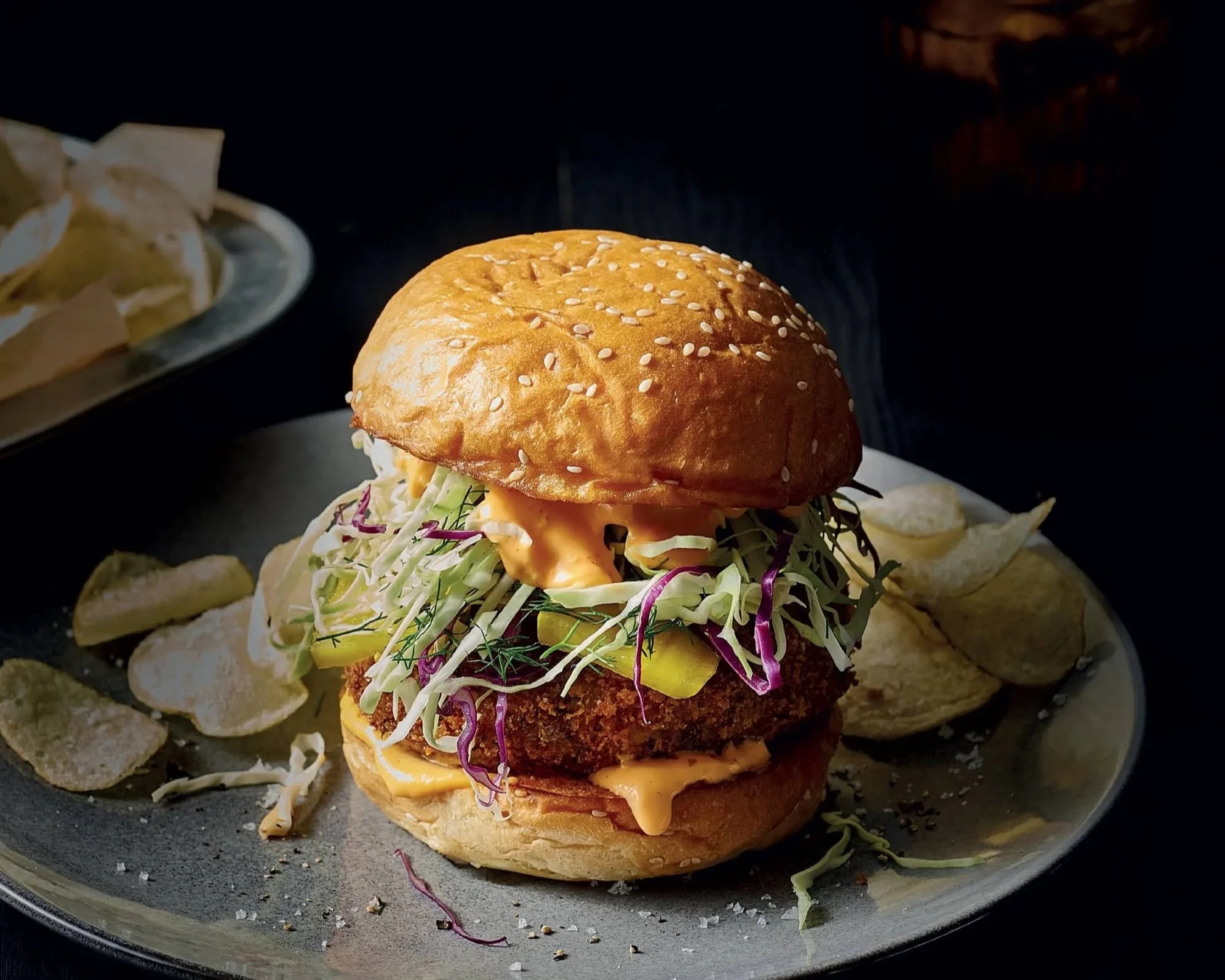
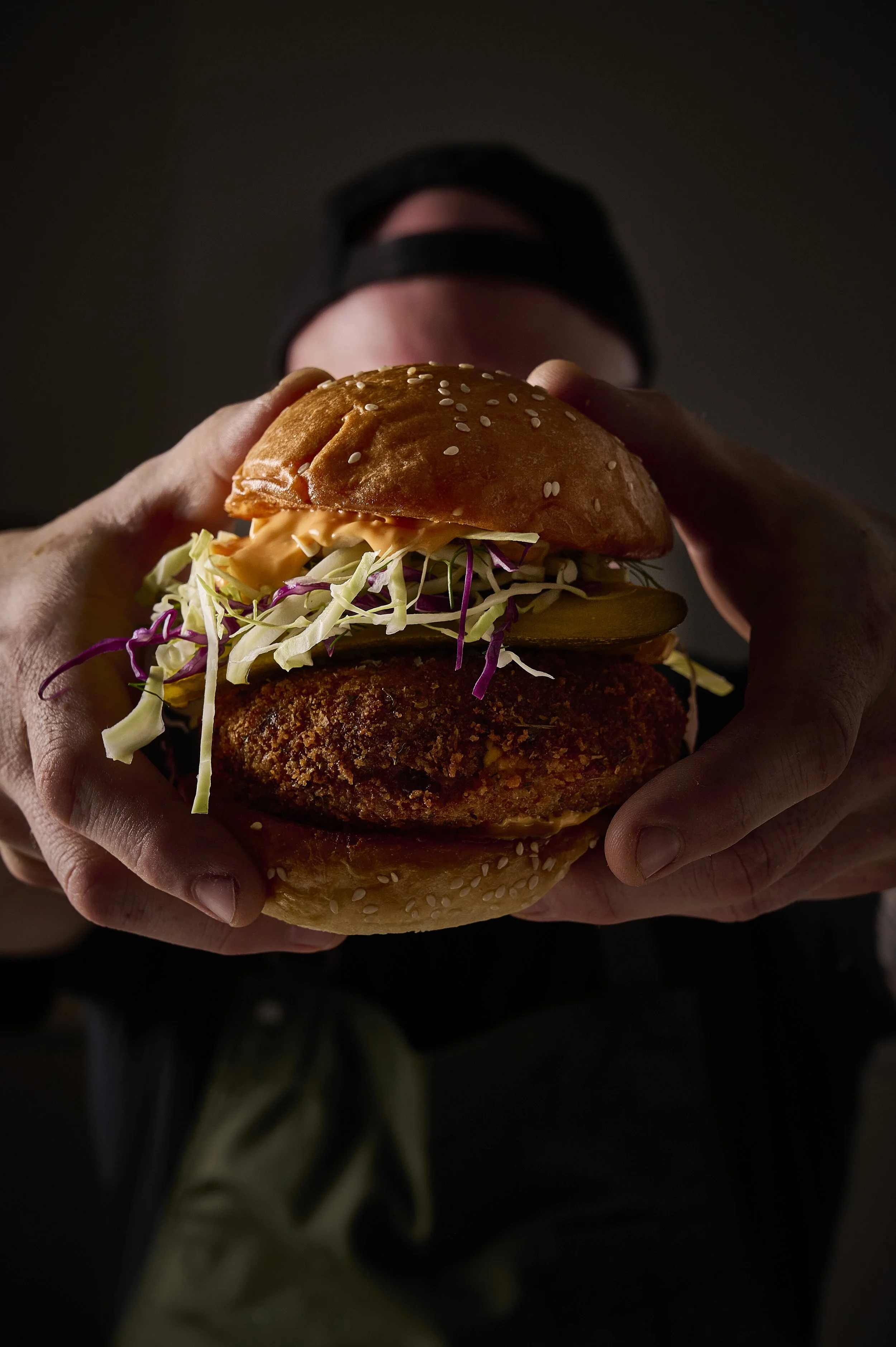
JAMIE GANNON’s Pulled Pork Croquette Burger with Slaw and Spicy Mayo
“Pork also lends itself to different cuisine styles in burgers, from Japanese tonkatsu to European inspired flavours using porchetta, or for a lighter choice, grilled pork fillet on a bed of fresh slaw. There are so many opportunities to differentiate your burger menu using pork once you start thinking outside the box a little.”
For the latest PorkStar recipe book, Jamie has come up with a Pulled Pork Croquette Burger with Slaw and Spicy Mayo. “By putting the pulled pork neck into a croquette with potato, mozzarella and burger cheese, then adding the slaw and spicy mayo, you’re extending the height of the burger, which adds to the impression of value for the customer,” Jamie says.
Australian pork’s quality is second to none
“At the same time, you’re only using half the amount of pulled pork you would normally, so your gross profit is better. And from a textural and flavour point of view, it’s fabulous – you’ve got the richness of the cheese and the crunchiness of the crumb, you’ve got the terrific flavour of the pork and that’s complemented perfectly by the crispy slaw and the spicy mayo. Serve it with some potato crisps or fries and it’s the perfect burger!”
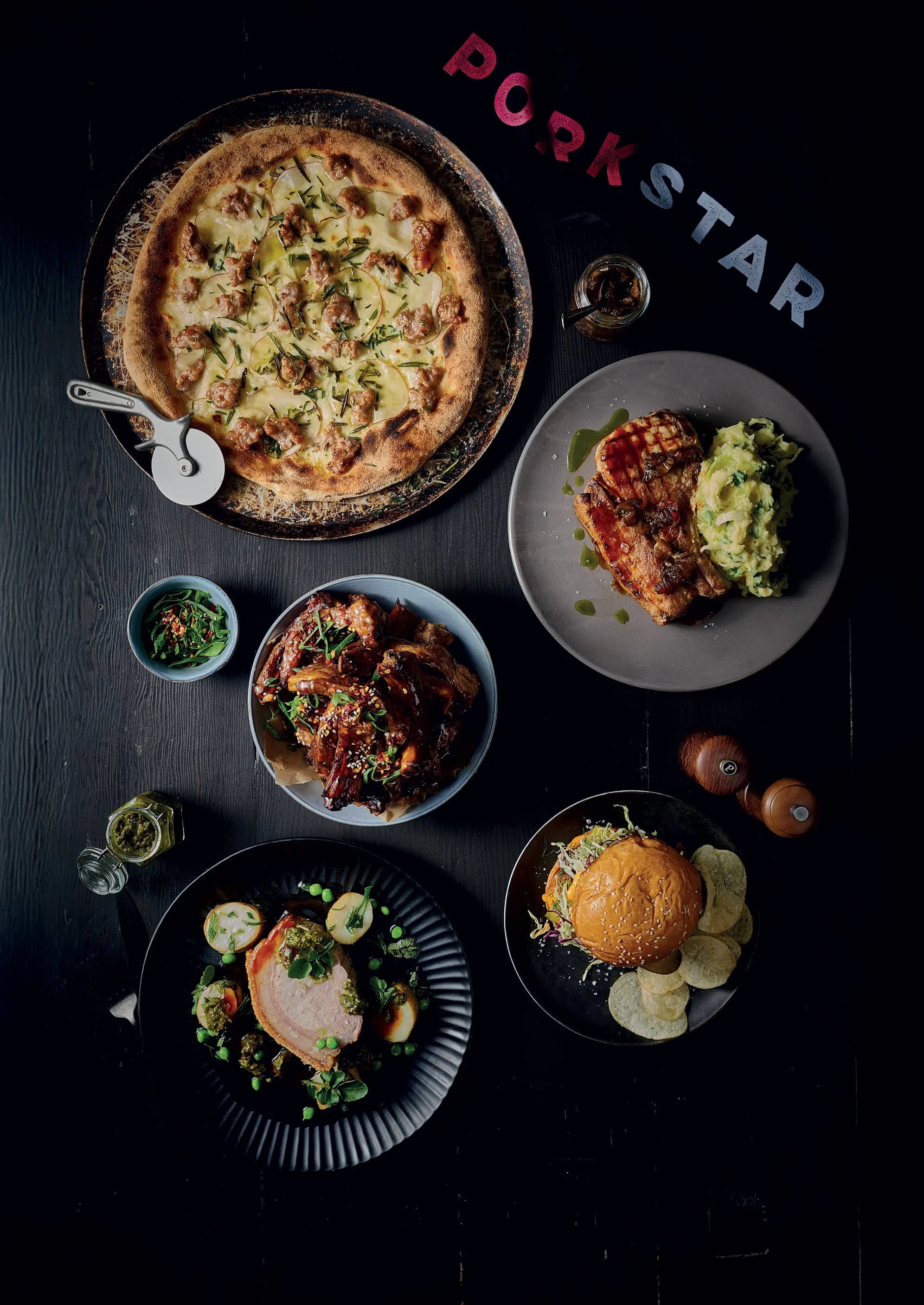
Jamie adds that one of the reasons for pork’s popularity on Australian out of home menus is because its quality is second to none. “We’ve got some of the best pork in the world in Australia, thanks to our stringent farming practices,” he emphasises. “And our pork industry is very good at responding effectively to changes in demand, which means that pork is always well priced.”
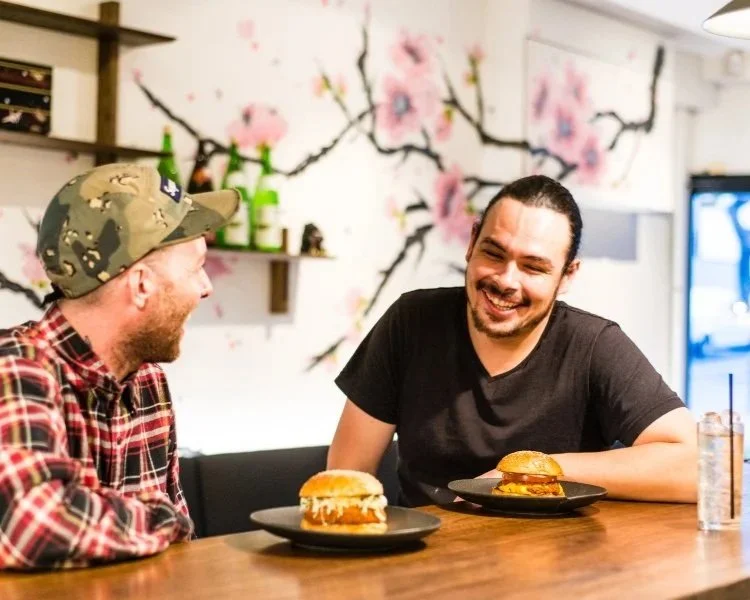
Ume Burgers’ founder, chef Joseph Siahaan
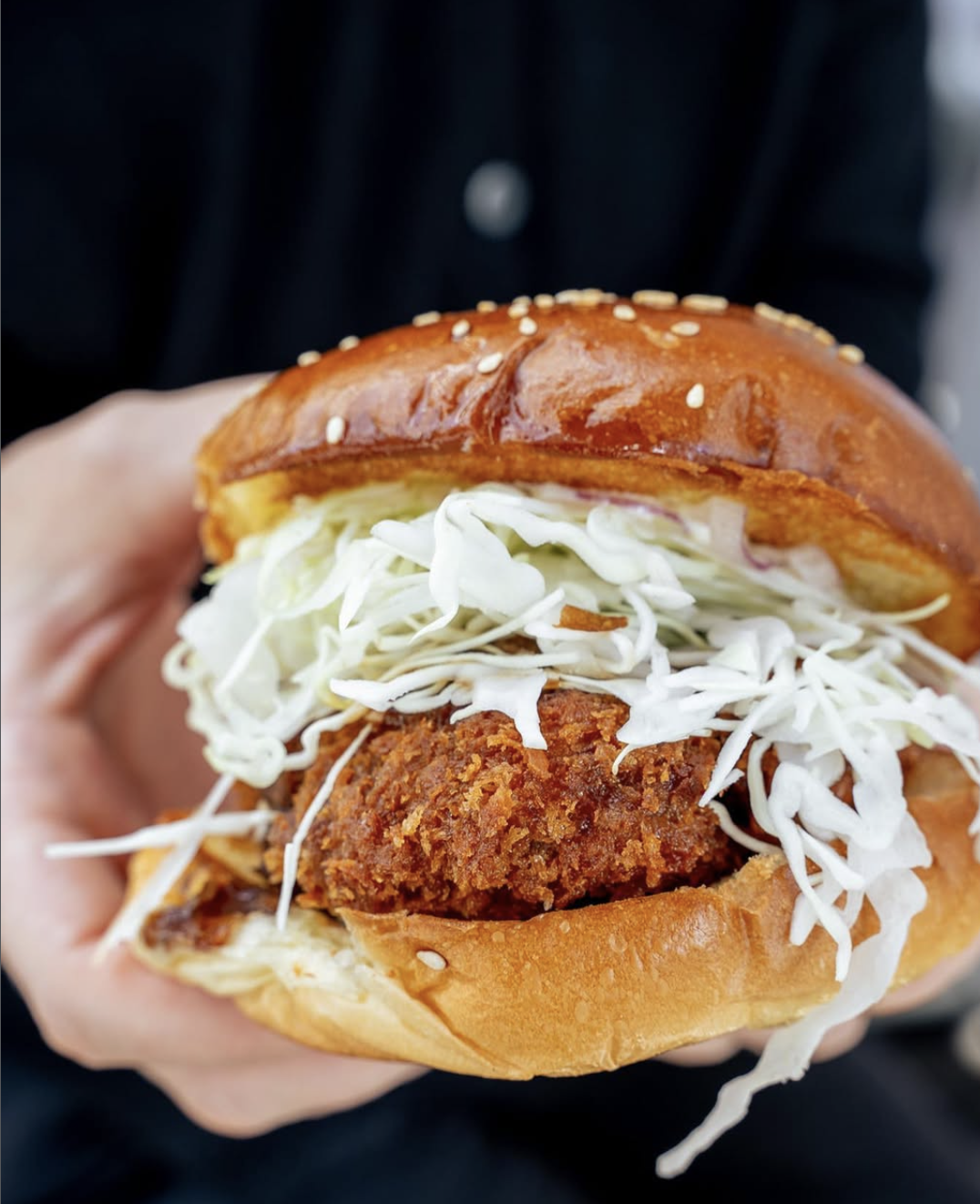
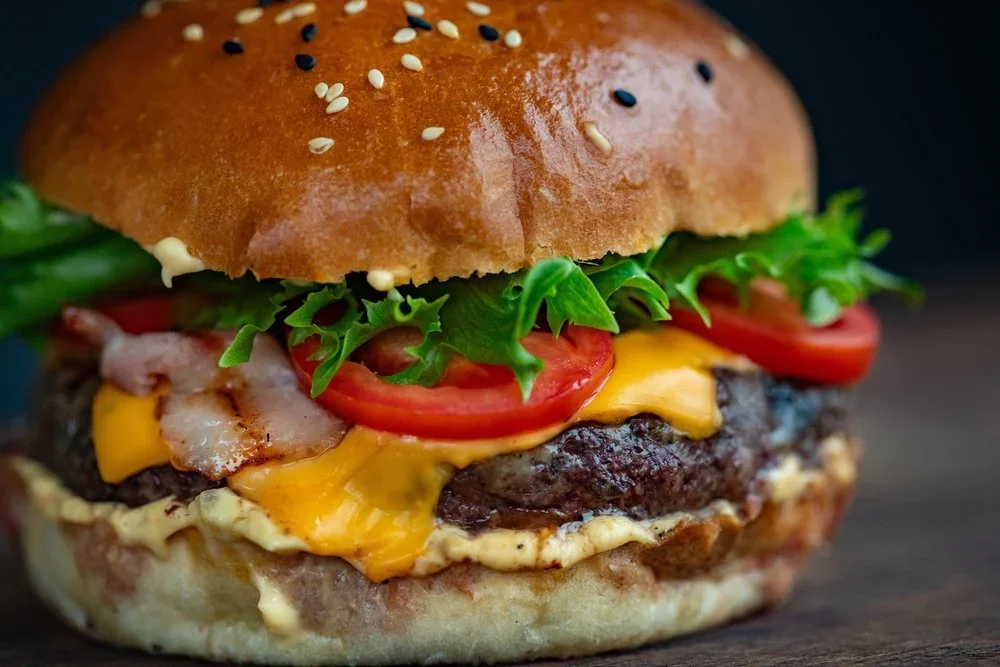
Joseph Siahaan’s Tonkatsu Burger
A tonkatsu burger that stands out from the crowd
Another great example of pork’s versatility on the burger menu comes from Ume Burger in Sydney’s Haymarket, famous for its Japanese-inspired burgers. Joseph Siahaan’s Tonkatsu Burger features hand-crumbed pork mince along with paper-thin slices of pork belly, topped with tonkatsu sauce, Japanese mayo, shredded cabbage and onion.
“Tonkatsu is a popular Japanese dish – ton is Japanese for pork and katsu means cutlet – which we’ve basically adapted into a burger,” Joseph explains. “I actually think it works better on a burger than the way it’s traditionally served in Japan, which is a sit-down dish with rice or a handheld cutlet for street food.
“It’s certainly one of our more popular burgers especially as we’re coming into the colder months – I think those flavour combinations of pork, cabbage and red onion complement each other really well and even though it’s Japanese inspired, you find that same mix of ingredients in European cuisine, which makes it familiar and welcoming to a broad range of people.”
What makes the Tonkatsu Burger stand out from the crowd is the way Joseph bards the pork mince with thin-sliced strips of pork belly, in emulation of a classic mille-feuille pastry. “It’s akin to wrapping meat in bacon to seal in the flavour,” Joseph explains. “You can see the pork belly strips when you bite into it – the fat in the pork mince tends to liquefy during cooking, but the pork belly strips absorb it, sealing that flavour back in to the dish.” The burger is topped with tonkatsu sauce, a rich, syrupy Japanese creation akin to Worcestershire which was specifically developed for use with pork, making it the ideal complement.
Pork offers creative chefs plenty of scope
Joseph says there is plenty of scope for creative chefs to work with pork on the burger menu. “Everybody knows how popular bacon is as a burger filling, but we’ve also huge a really great uptake for all the pork burgers we’ve put on the menu. We’ve had the Tonkatsu Burger since day one back in 2016 and some customers come once or twice a week just to eat it, they won’t have anything else.
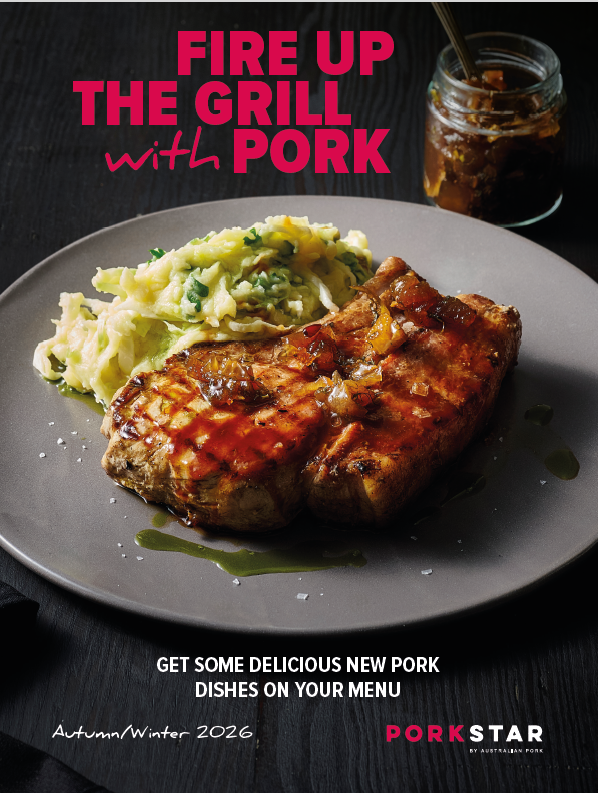
Download your copy of the PorkStar recipe booklet
“We also have a soft boiled pork burger which we bring out on the specials menu and it’s gone gangbusters every time – the only reason we don’t have it on permanently is because it’s a slightly longer preparation process. We’ve also done a number of burgers inspired by Cantonese char siu (barbecued pork) as specials over the years.
“I think we’re really blessed to have the quality of pork we do in Australia – and I think people love it on burgers because it’s richly unctuous. It stays juicy which is great for a burger and it’s relatively easy to cook, unlike leaner meats which have a smaller window to cook just right.”
For more information on how to make the most of pork on your menu visit www.porkstar.com.au
* Latest Australian Pork Limited Foodservice Out-of-Home Research, conducted May 2026
Related articles