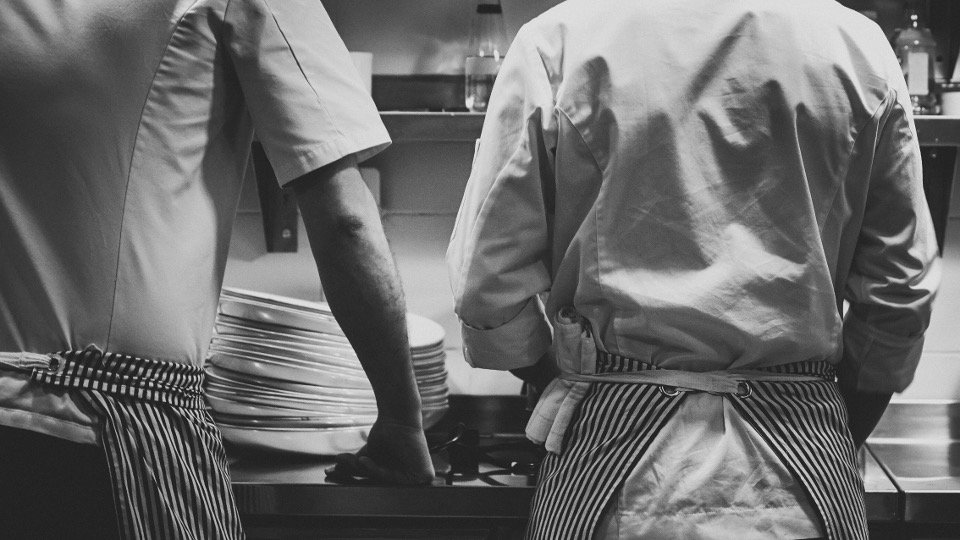
Meet Konstantin Putkin
/Leading with attitude: Konstantin Putkin on kitchens in Moscow, London and Tasmania
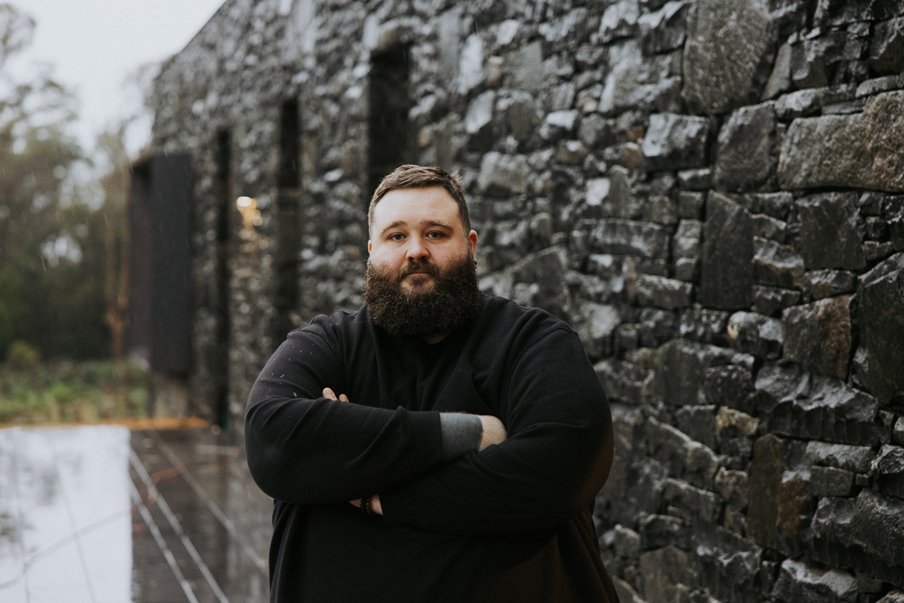
From Michelin-starred London to the Formula 1 Australian Grand Prix, Konstantin Putkin, Head Chef at Small Wonder Wines, shares what he looks for in a kitchen team, why local produce matters and his advice for young chefs stepping into leadership.
All Images are credited to Sileo Media

What’s your earliest food memory, and how did it shape the chef you are today?
“Growing up in Canada blueberry season was quite short and they were generally expensive, my mom used to purchase trays of them from the local markets towards the end of the season and freeze or dry them so us kids could have them for a little longer. Early one morning I snuck into the pantry for the dried little buggers and grabbed a handful, not realising they were juniper berries… I have detested the taste of juniper and gin ever since. This has made me work on my distaste of juniper in general cooking.”
You’ve cooked in Russia, England and Australia. What’s been the biggest difference between working in kitchens in each?
“The biggest one is how people see hospitality as their careers and how hospitality impacts us in different ways. In the UK and Russia, people see hospitality as a viable long-term career and will pivot their way of thinking towards that, whereas in Australia there is a little more feeling of transience behind it.”
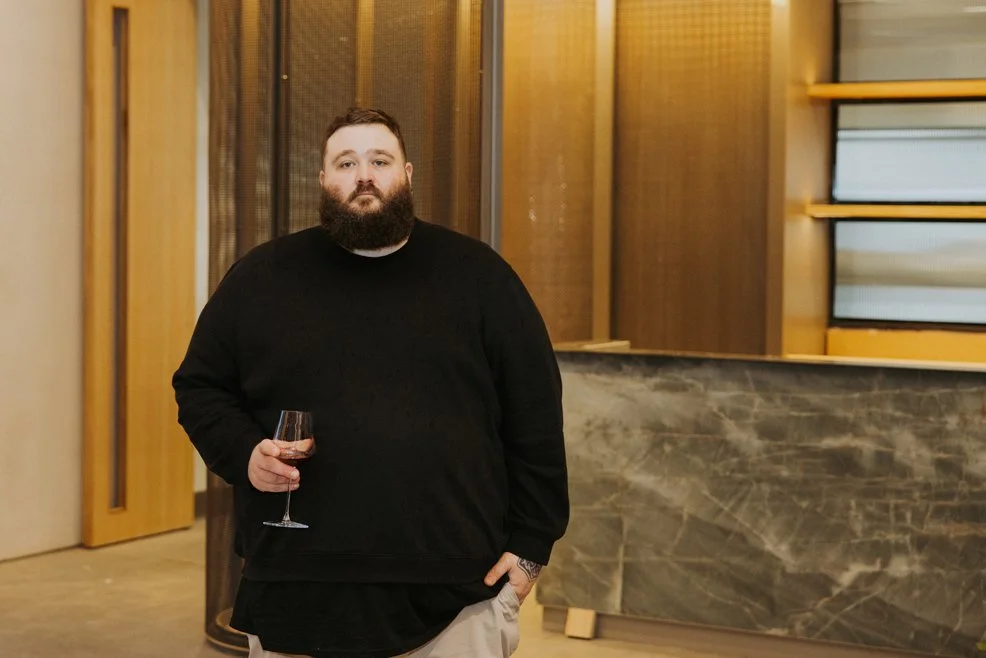
“I have had the most fun and development to my career in Australia”
“With that being said, I have had the most fun and development to my career in Australia, that may be down to how long I have now been here, but for me that stands out the most!”
What’s a dish that reminds you why you love being a chef?
“For me, it’s often the simplest dishes that remind me why I love being a chef. There’s something special about taking a beautiful seasonal ingredient, treating it with respect and turning it into something that creates a real connection with someone.”
“I love the creativity and technical side of cooking, but ultimately, it’s about how food makes people feel. So the answer for me would ultimately be a Serbian (Balkan) dish from my childhood called sarma.”
Why do you think using local produce is so important?
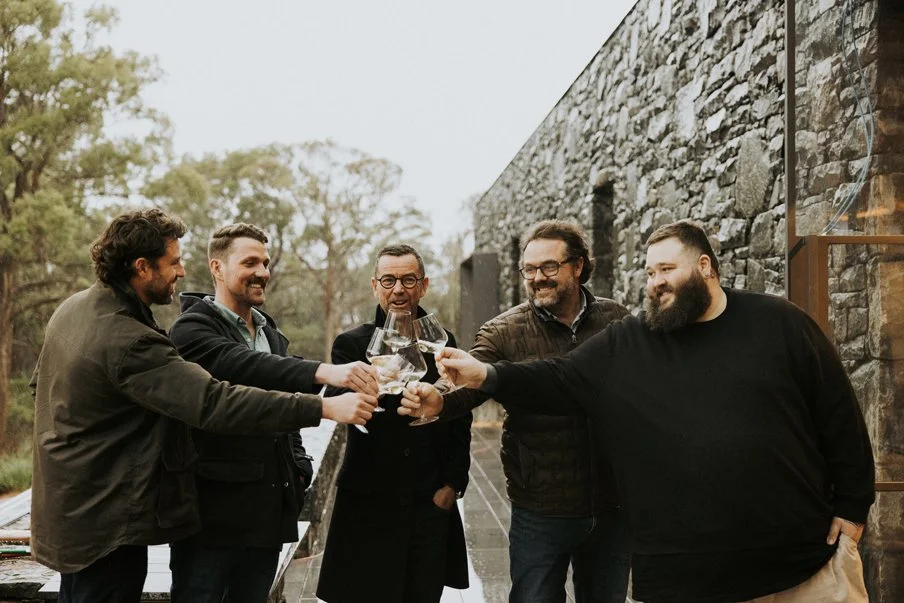
“Using local produce is important because it connects us to the place we’re cooking in. We have incredible producers who put so much care into what they do, and as chefs, we have a responsibility to support them and showcase what they produce.”
“For me, cooking with local produce isn’t just a trend; it’s part of being a responsible chef and telling the story of where we are through food.”
What did winning the 2022 Professional Chef of the Year award do for you?
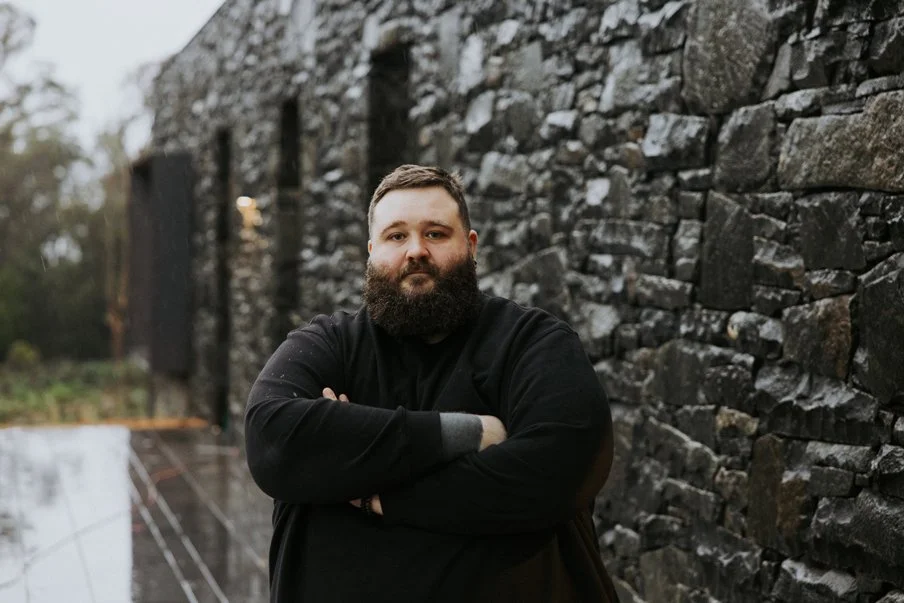
“Winning the 2022 Professional Chef of the Year award was a really proud moment for me. It was recognition of the years of hard work, commitment and sacrifices that go into being a chef, and it gave me the confidence that the direction I was taking in my career was the right one.”
“It also reinforced that success isn’t just about individual achievement”
“Professionally, it opened up opportunities, raised my profile and gave me a platform to share my passion for the industry. Personally, it was a chance to reflect on how far I’d come and appreciate the people who had supported me along the way. It also reinforced that success isn’t just about individual achievement; it’s about the teams you build, the people you learn from and the positive impact you can have on others in the industry.”
When you’re building a kitchen team, what qualities are you looking for above technical ability?
“Attitude, integrity and a willingness to learn are right at the top of my list, this and finding a balance on what areas of skill that I lack in, so essentially surrounding myself with people who complement me and ultimately make my job easier. Technical skills can be taught and developed, but having the right attitude, respecting the people around you and taking responsibility for your work are qualities that really matter.”
“I look for people who communicate well, stay composed under pressure, support their teammates and take pride in what they do. A great kitchen isn’t built on individual talent alone; it’s built on people who trust one another, share knowledge and work towards a common goal. I want people who are hungry to improve, who aren’t afraid to ask questions and who understand that the success of the team is just as important as their own success.”
What separates a good chef from a good leader, and what’s your advice to younger chefs stepping into a leadership role?
“A good chef can deliver great food, but a good leader knows how to bring the best out of the people around them. Leadership is about setting standards, leading by example, communicating clearly and creating an environment where people feel supported and motivated to do their best. It’s also about taking responsibility when things go wrong, giving credit to your team when things go right and understanding that everyone learns differently.
“My advice to younger chefs is to remember that becoming a leader doesn’t mean you have all the answers. Stay humble, listen to your team and never stop learning. Be consistent, treat people with respect and don’t ask someone to do something you’re not prepared to do yourself. The best leaders I’ve known are those who invest in others and help them become better than they were yesterday. Your legacy isn’t just the food you put on the plate; it’s the people you develop along the way.”