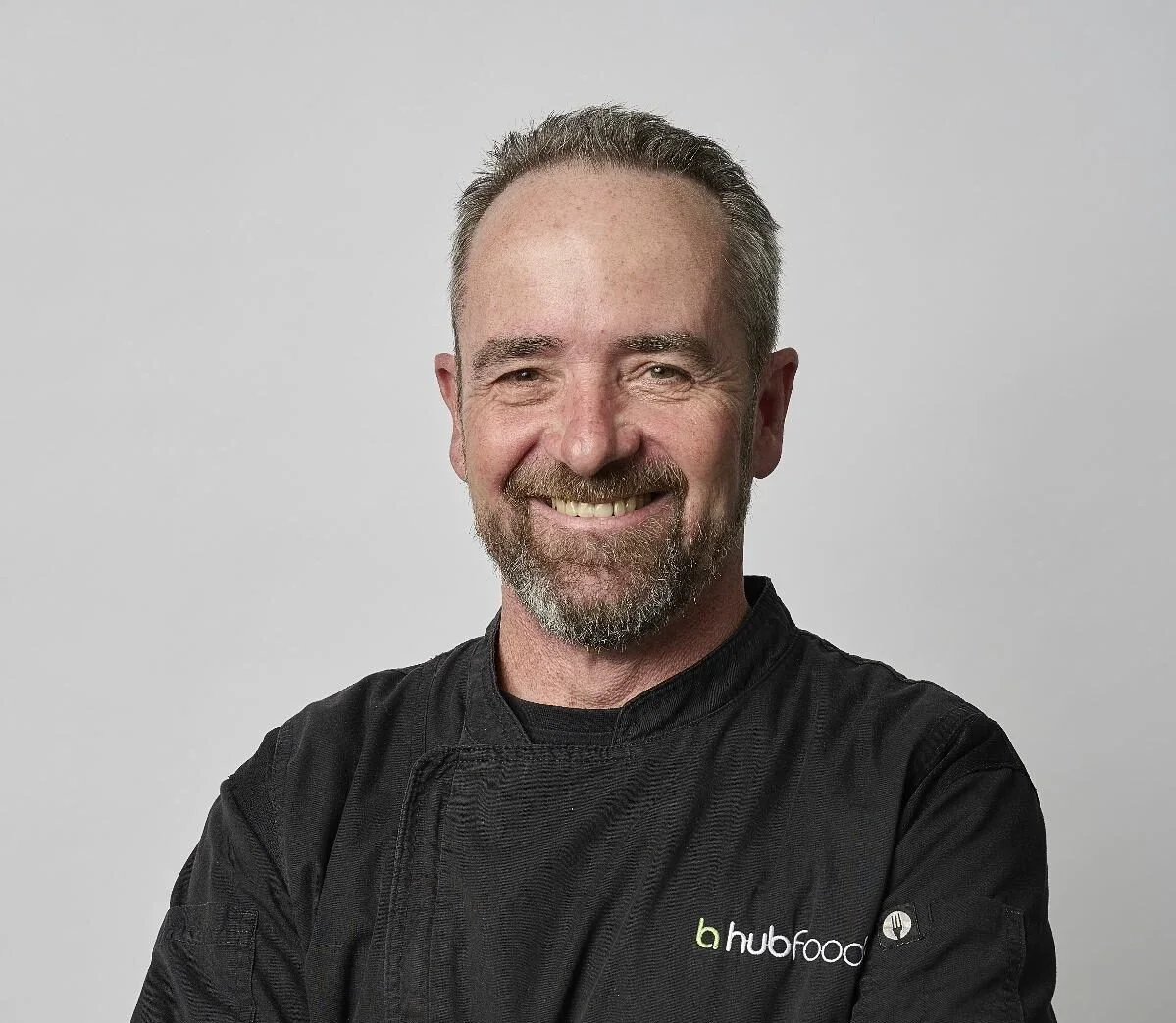
More than support staff: rethinking the role of the aged care chef
/Chef Lindsey O’Grady is a Senior Catering Operations Specialist for RiseUp Group, overseeing hospitality and catering development with RiseUp’s aged care partners. His focus is on raising the profile of aged care chefs and improving their skillsets, in which capacity he mentors them and assists in menu development and audit support.
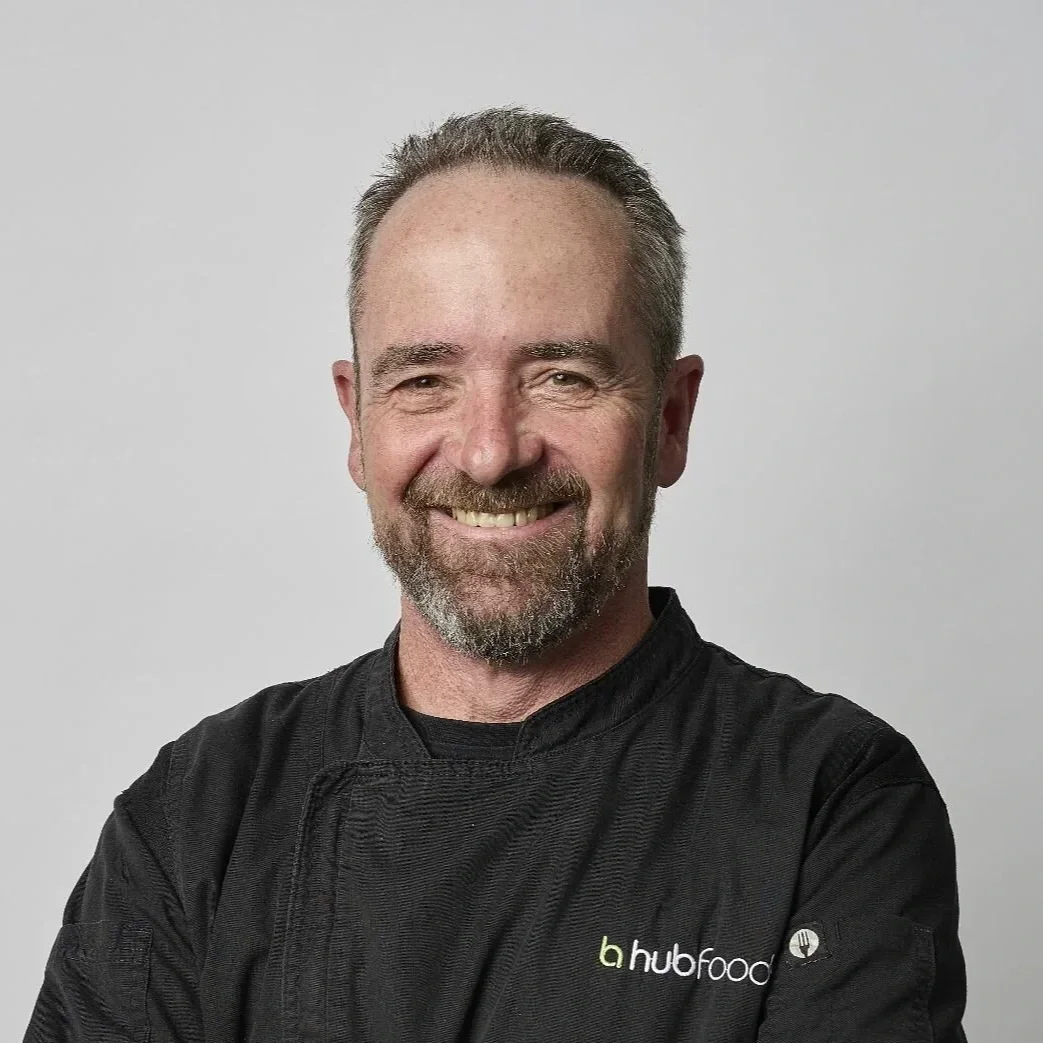
LINDSEY O’GRADY
With the support of RiseUp, as well as that of the Australian Institute of Technical Chefs for whom he serves as a NSW Representative and Committee Member, Lindsey recently conducted the 2026 Australian Aged Care Kitchen Pulse Survey, a national study of 50 aged care chefs. We spoke to Lindsey to find out what the survey revealed and the work that needs to be done to provide chefs in this often challenging subset of foodservice with greater support and input.
“I’ve always been interested in reaching out to aged care chefs about the pressures they’re under,” Lindsey says. “While there’s always been wage concerns and food budget issues, I think the expectations on aged care chefs has grown exponentially, especially with the introduction last year of Standard 6” (which prioritises resident menu choice and requires chefs to facilitate consultation, document resident preferences and adapt menus to cultural, religious and personal choices).
“Over the past few years of working in operational support I’ve seen the pressures and culture in aged care on a different level”
“In my own journey as a chef manager in aged care, I saw the implementation of IDDSI standards, I worked through Covid and learned so much about infection control it’s crazy … I think the role has definitely changed, and over the past few years of working in operational support I’ve seen the pressures and culture in aged care on a different level. It made me really wonder about the extent to which aged care chefs have a voice – and they hadn’t really been asked this in a structured way, hence the survey.”
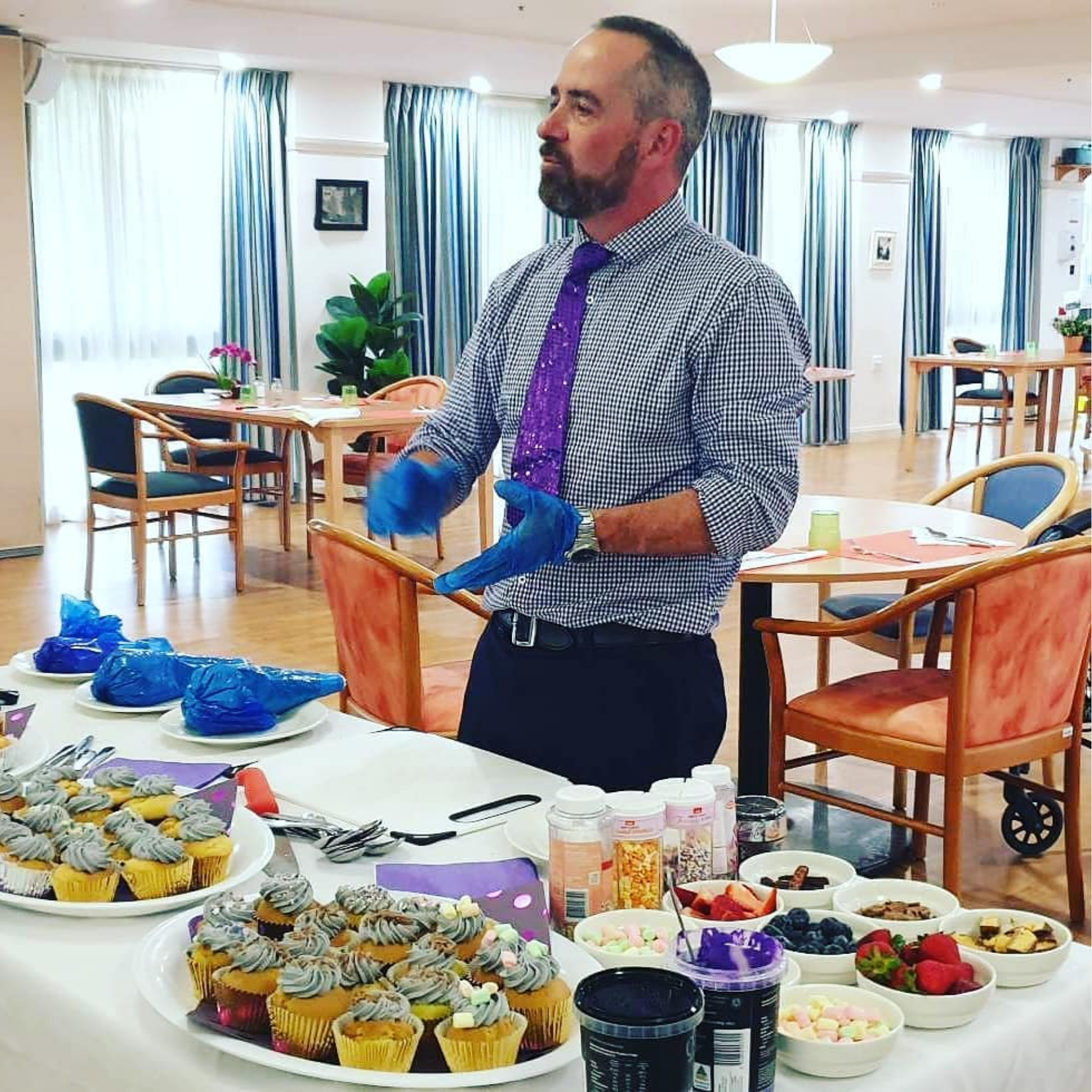
LINDSEY PUTTING ON AN AGED CARE SPREAD
Chefs need better support, training and structure
Lindsey reports, “There was a lot of consistency in the responses, which was the most telling thing. Fourteen per cent said they had sufficient time and staffing, which means 86 per cent don’t. Seventy-six per cent identified staffing shortages as their single biggest pressure. Fifty per cent said their expertise was underutilised, which means they’re not being included in conversations about how the dining room operates and how to improve the resident experience. I don’t think chefs want to lord it over that space, they simply want to be included in the conversations where decisions are being made.”
He argues these problems can be solved by better support, training and structure. “If we actually support our chefs and give them the right budget, training, support for staff, a better narrative around their role and a professional pathway, then the changes we want to see on the plate will happen.
“I think for a long time the narrative has been that an aged care chef is kind of a lesser role”
“Acknowledgement is a really powerful word. I think for a long time the narrative has been that an aged care chef is kind of a lesser role, but anyone working in that space knows that’s not the case. But that perception is still there in the industry and we’re never going to attract the chefs we want until it changes.
“A related issue is that aged care chefs and their teams are still viewed as ‘support’, which impacts upon their remuneration, but when it comes to the plate they’re actually expected to be part of the clinical solution for residents. They’re supposed to consider allergens, respect the dignity of residents, consider the nostalgic connection of food, be present in the dining room for feedback, attend food forums with residents and families … but they’re still viewed as simply a production workforce, and a support one at that – no one has ever challenged that narrative before.”

Bringing the conversation to the table
Lindsey adds, “I personally don’t have all the answers, but I think that once we start conversations, we may start finding solutions. They will be different across different groups, because organisations have their own strengths, and there may be some that have already resolved some of those issues and others can learn from that. One of the findings that came out of the survey, and that allied health professionals have long been saying, is that we all work in separate silos and we need to come together somehow to resolve some of these issues. We have to bring the conversation to the table.
“In aged care, one of the most important areas of communication, which most impacts the residents, is between the care teams and kitchen teams – that communication gap is something allied health professionals are talking about all the time. We need to make this communication a continuous loop – if we don’t connect those silos, we’re not going to see the changes we want to see.”
Lindsey has recently acted as the AITC representative to two Cooking with Care projects for SaCSA (Service and Creative Skills Australia). “The first was the development of vocational training modules to establish formal standards for residential aged care chefs, and the second is actually producing the resource material for those modules – that’s going to be part of regular TAFE Commercial Cookery Certificate 3 and they can also be done as standalone modules for chefs who have already completed their training.”
Investing in finding solutions
While he believes increased accreditation will assist chefs who work in health and aged care, he adds there are many other initiatives which could be implemented to drive change. “It comes back to silos and budgets – some large aged care providers may not have a realistic idea of what needs to happen on the kitchen floor.
“I’m only at the start of this journey and I’m quite surprised at where the survey has led so far – budgets have always been a stumbling block, but the focus needs to be on acknowledging the way the chef’s role has evolved, respecting that and understanding what chefs are now being asked to do. That in itself doesn’t cost any money.
“The focus needs to be on acknowledging the way the chef’s role has evolved”
“More broadly, if we invest in finding solutions, we’re going to have better nutrition, we’ll reduce the reliance on supplements, we can save money through decreasing malnutrition, we’ll see better results with weight loss. So it is clearly worthwhile. On the other side, you need to look at the costs of getting it wrong – what does it cost in time to follow up on a resident’s complaint? If you have an aged care chef leave because of burnout, what’s the cost of replacing them? It can take eight to ten weeks to replace a chef and in the meantime you have agency costs, HR costs … you can be looking at an extra $35 grand to replace a chef. Whereas if you can reduce that turnover by raising the level of training and respecting the narrative, you’ll have better staff retention rather than a revolving door. And that’s better for the residents, better for staff morale generally … things you can’t easily quantify in monetary terms, but they are certainly a benefit.”
Lindsey is pleased that the survey has given him a voice to push for change in the sector. “To have people engaging with me on the subject is fantastic – and I’ll be presenting my findings at the upcoming Hospitality in Healthcare National Conference in Tasmania in October. I’m open to anyone who talks to discuss ideas or solutions with me – I’ve already had people reach in support and offer to help in any way they can. So I can definitely say there is some movement in this area.”