Why integrating your vegetarian and vegan options within the overall menu is the best approach
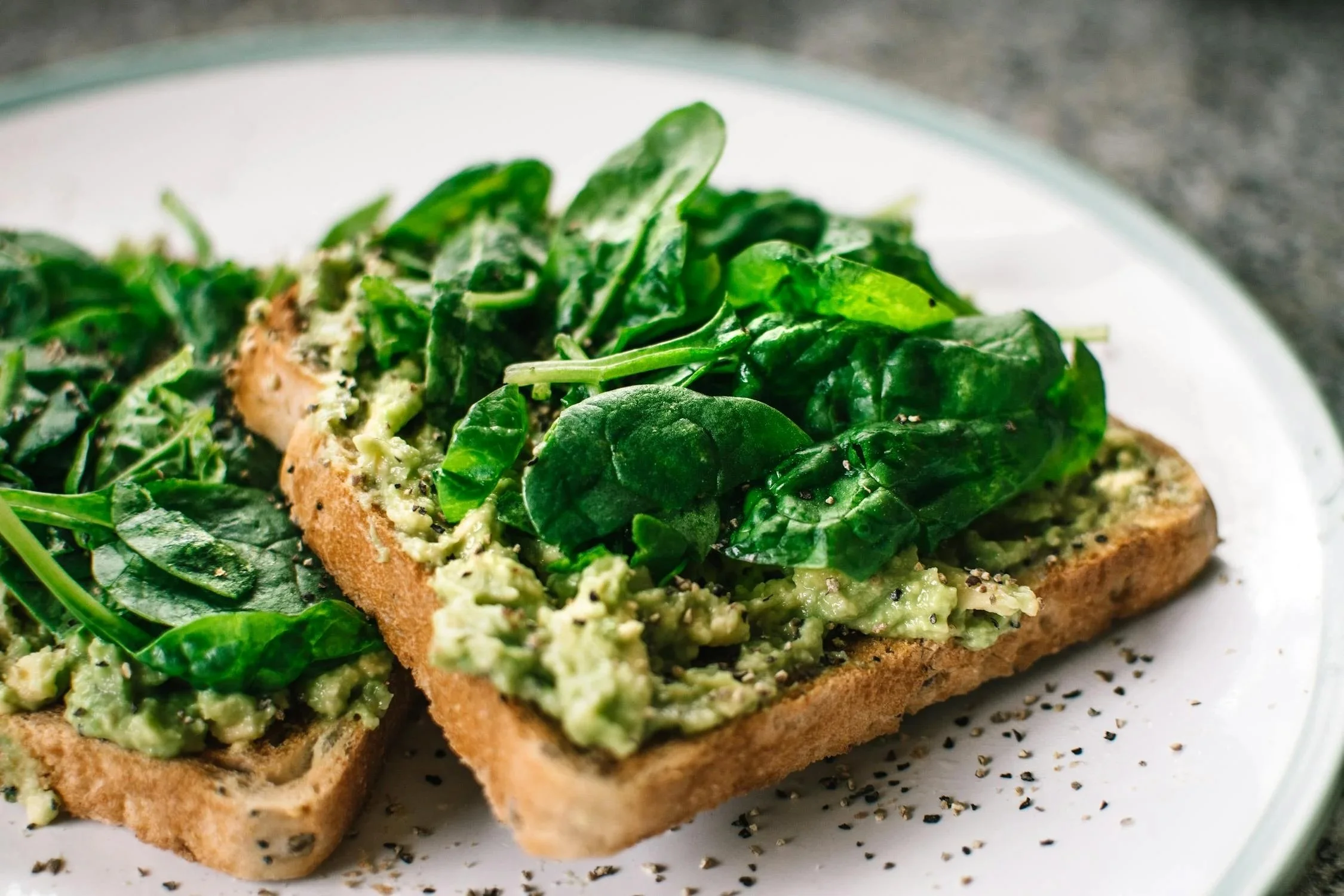
/While the number of customers wanting exclusively vegetarian and vegan choices remains relatively small, well-presented, balanced and flavoursome meals free of animal proteins are proving popular with a broader range of diners – not just flexitarians looking to cut down on their meat intake, but casual consumers who may not even realise they’re making a meat-free choice.
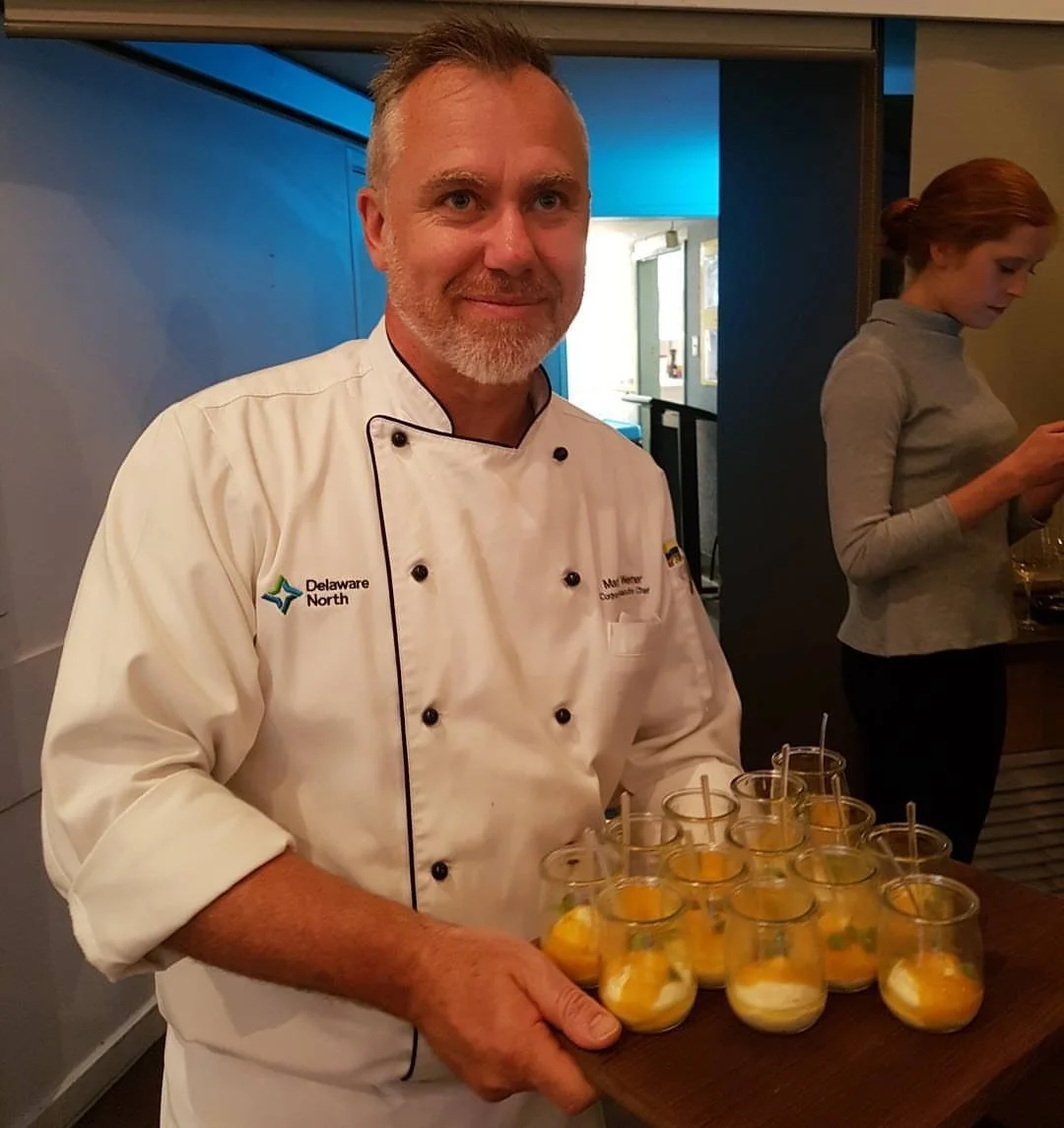
Delaware North Australia Corporate Executive Chef and Foodservice Rep Consultant Chef Markus Werner
It all comes down to how you present and market these options on the menu, as Delaware North Australia Corporate Executive Chef and Foodservice Rep Consultant Chef Markus Werner affirms: “We don’t necessarily do a hard call-out for our vegetarian and vegan dishes, because in that case you will lose a proportion of customers who are not actively looking for those options.
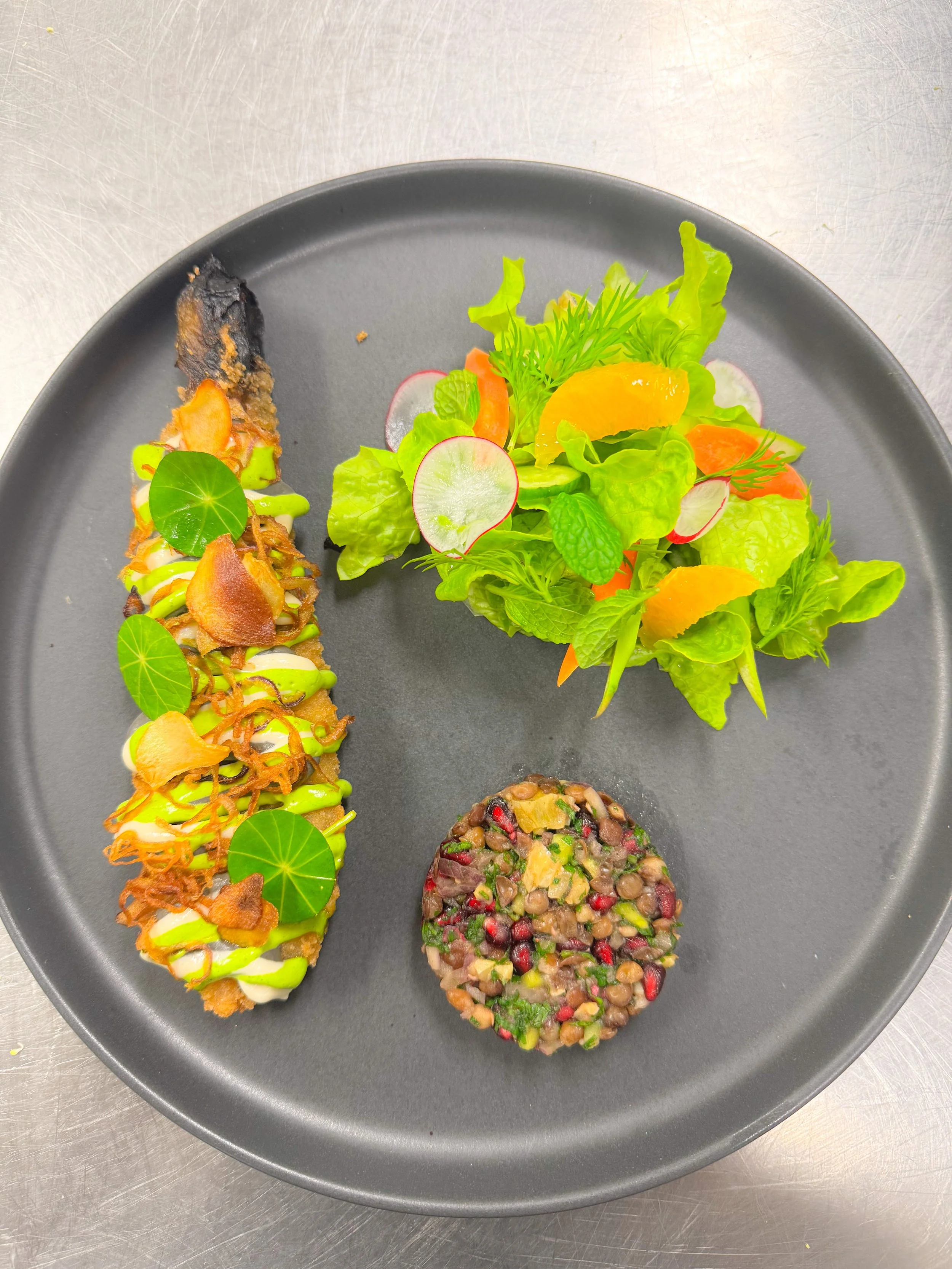
“Instead, we look at simply creating great food that is attractive and enticing and which people want to eat – which just happens to also be suitable for those following a vegetarian and vegan diet.”
Another element of this approach is to include a focus on the provenance story of the meal ingredients – “We tell you the region where the ingredients have come from, we want you to know that they are organic, they are sourced from a great farm, that the suppliers take care of their produce, and that we are making a fantastic dish out of it,” Markus says.
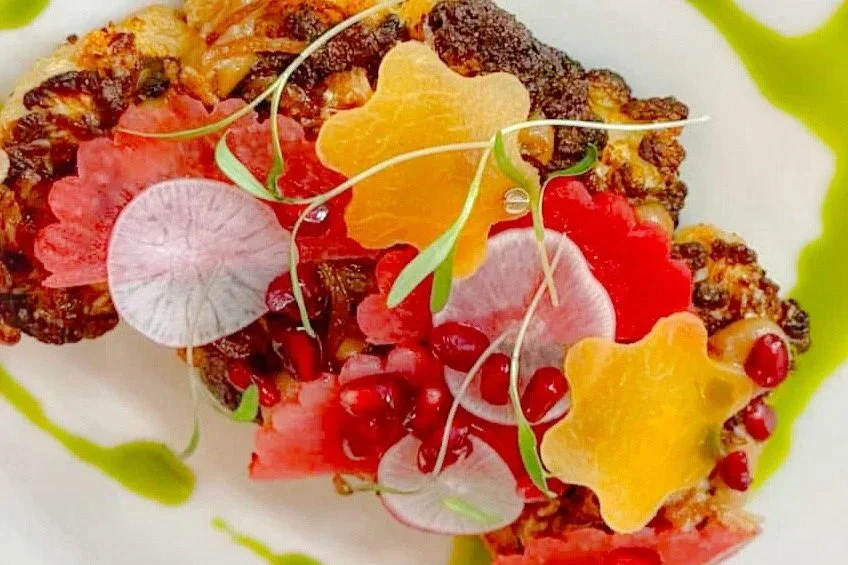
“We don’t necessarily do a hard call-out for our vegetarian and vegan dishes”
Like many chefs, Markus has made a conscious decision to move away from the plant-based protein products marketed as animal protein substitutes which drove the short-lived ‘plant-based meals’ boom several years ago.
“I have pushed hard to get totally away from all that, as I think it is the wrong approach. If you can’t make sense of the ingredients list because all you see are a lot of numbers, you don’t know what you’re serving and your customers don’t know what they’re eating, that’s no good.”
Go with natural products
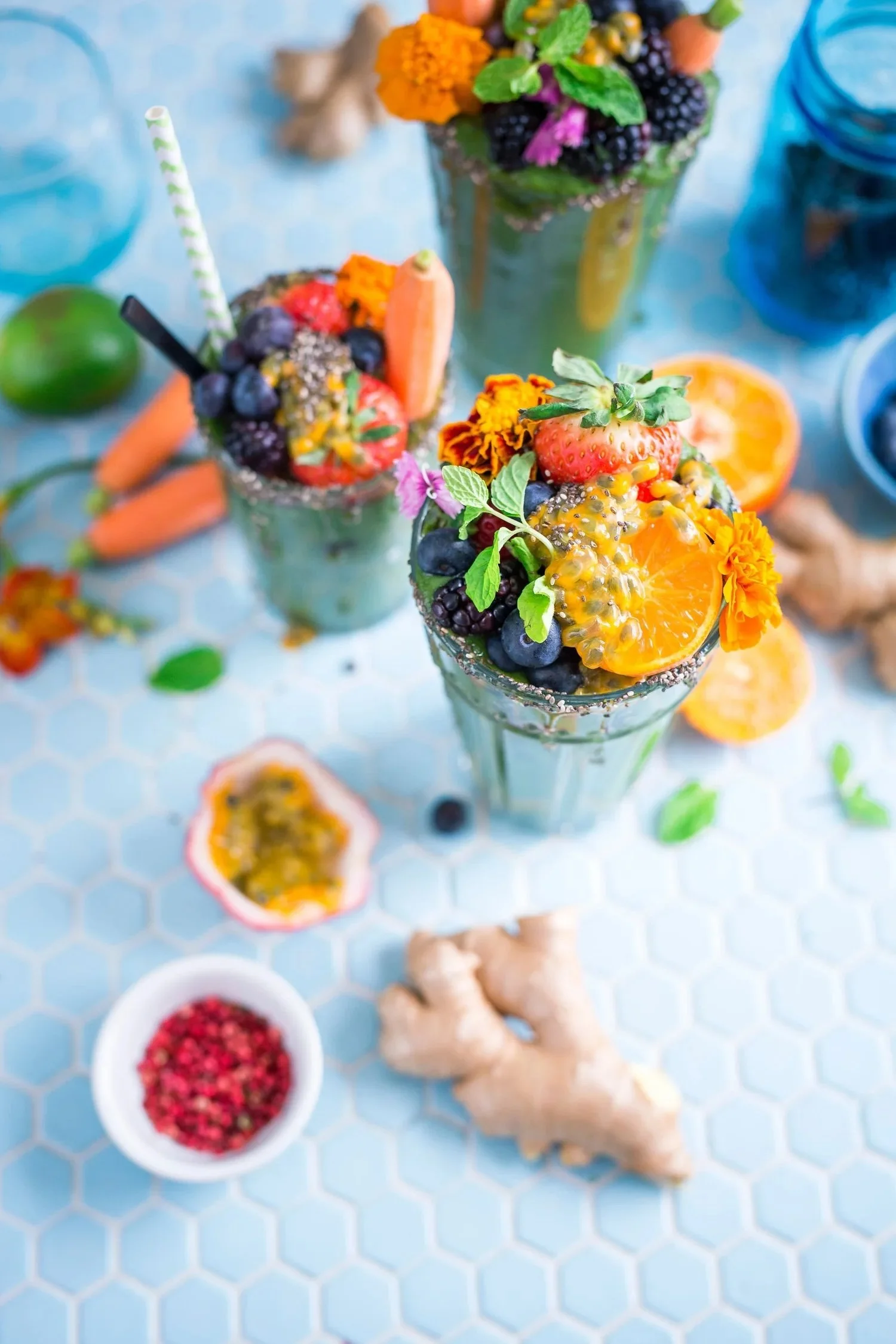
Instead, he focuses on our plentiful supply of natural fruits, vegetables, legumes and grains to create his dishes. “The problem with many of these plant-based proteins was they didn’t deliver on the promise of flavour and texture.
“But you do need to have vegetarian and vegan on the menu, so why not go with the array of natural products which are readily available?
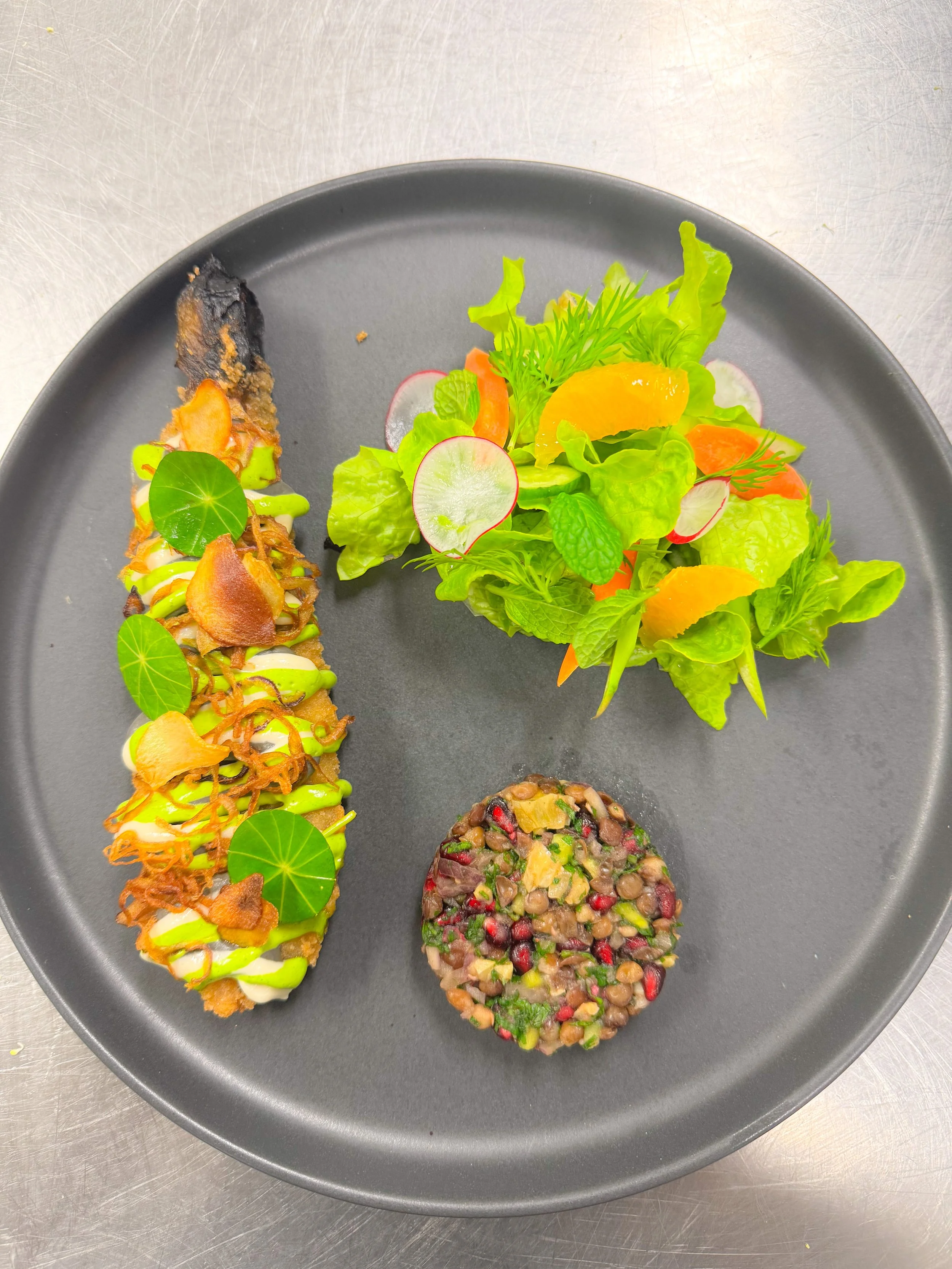
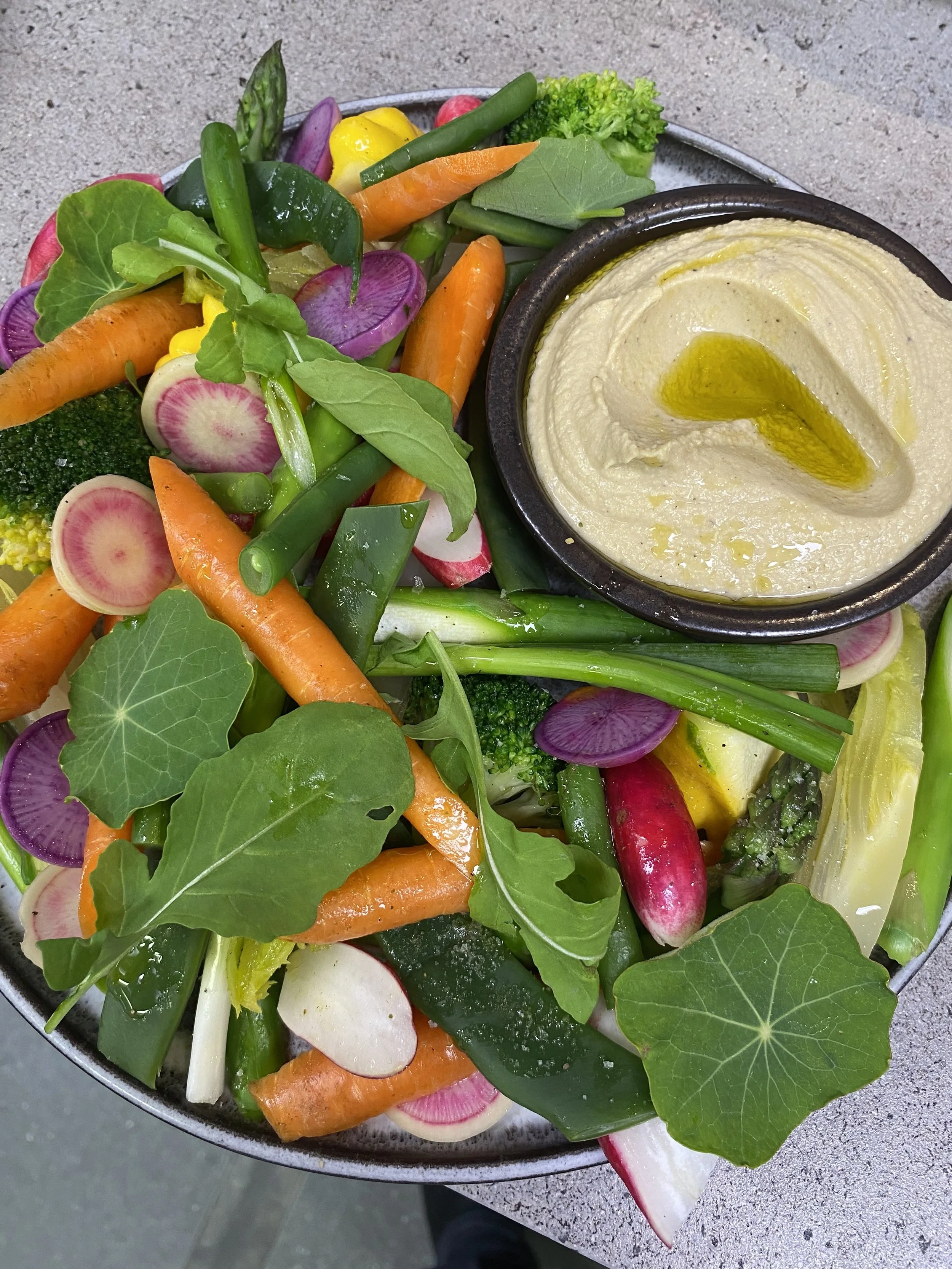
“It’s not so much that there is a great demand from people on vegetarian and vegan diets – it’s much more about customers enjoying a beautifully presented dish that’s healthy and surprisingly vegetarian.
“Especially at this time of year, we find customers are looking for lighter options – they don’t want to eat so heavily anymore. Seafood meals can often be lighter, but so too are vegetarian choices.”
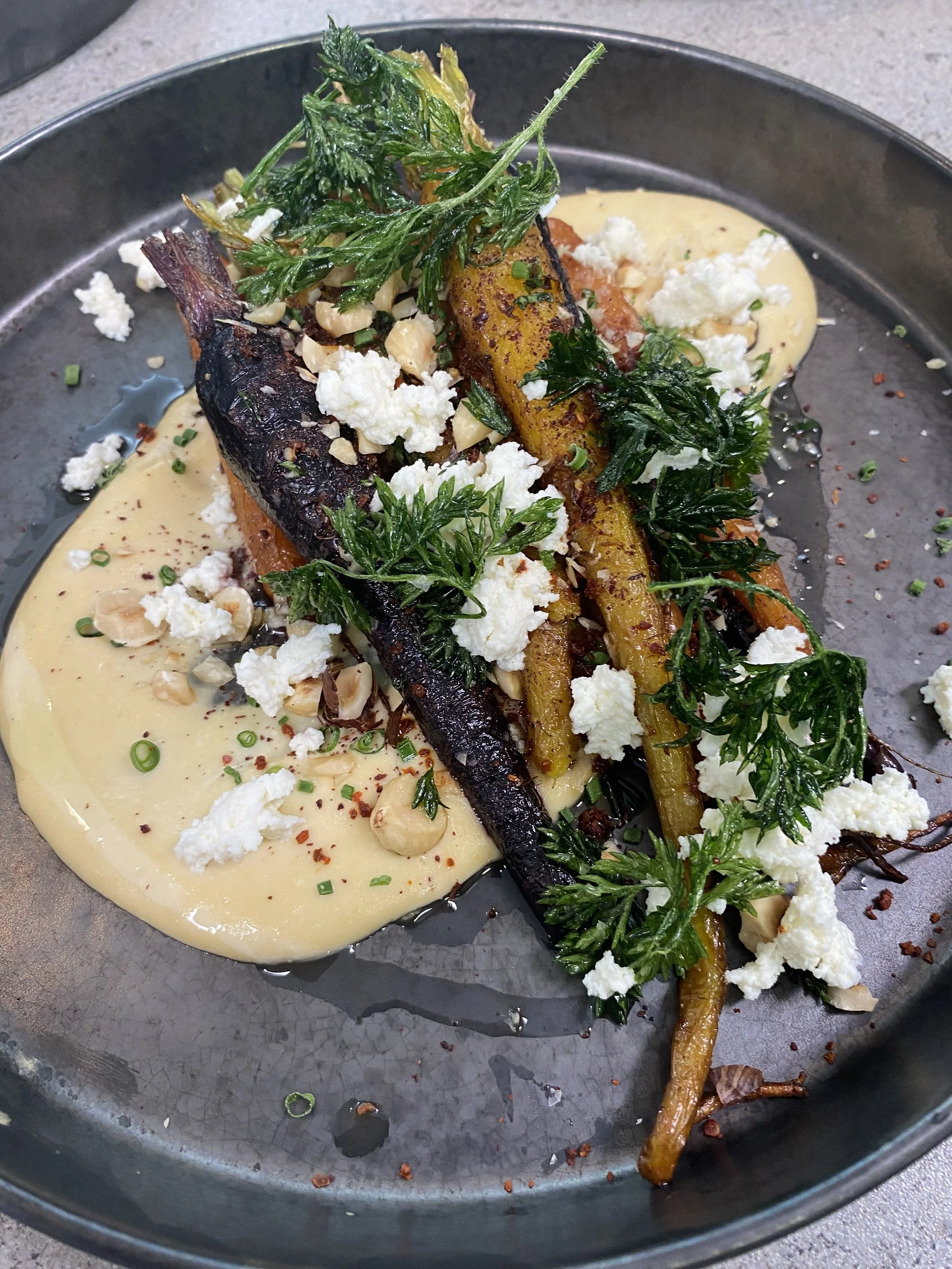
Markus adds this search for lighter fare extends to meal sizes.
“In the old days people would typically order an entrée plus a main, but this is no longer the case – they might prefer to have several entrée sized serves and no mains.
“Our focus is to extend the entrée list and keep them light, and one way to do that is by expanding the vegetarian and vegan options.
“Seafood meals can often be lighter, but so too are vegetarian choices”
Not a cost-saving exercise
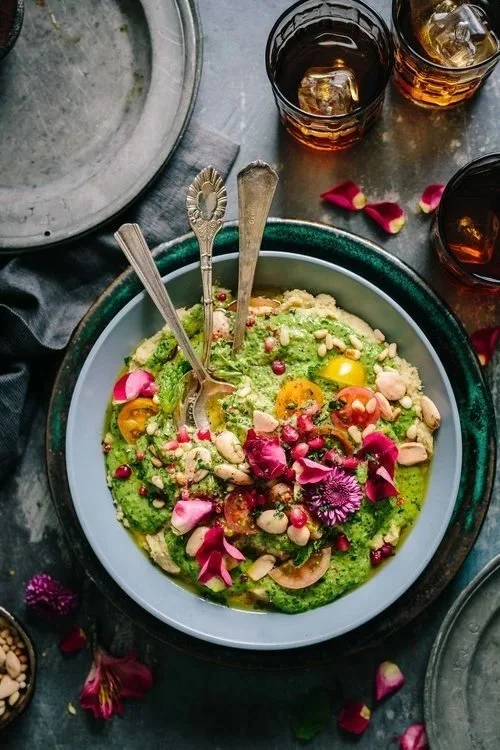
“Having said that, our approach to the dish is exactly the same regardless of whether it’s an entrée or a main serve – it’s about bold flavours and a great presentation, and there are plenty of vegetarian choices which work well to achieve this, from white miso paste to pickled, fermented chilli or black garlic.
“These are really strong, great flavours and will give your dishes character, heart and soul as I always say. You just have to ask yourself: is there enough texture, enough variety, enough contrast?”
The rising cost of meat, poultry and seafood notwithstanding, Markus says the addition of more vegetarian and vegan options is by no means a cost-saving exercise.
“With any meal you serve nowadays, the quality needs to be up there and you can’t afford to cut corners. Just because you’re not using an expensive protein, it doesn’t mean there’s any less effort going into making the dish – and sometimes it’s even more.
“You might be fermenting several ingredients, which requires a lot of time, or you might be sauteeing – there’s still a lot of work involved in creating and preparing something which the customer will love.”

Sales prove the value of Steve’s approach
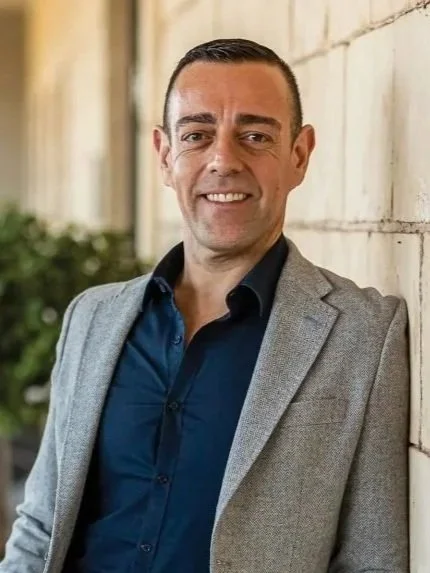
catering hq managing director steve sidd
The key points of Markus’ philosophy are echoed by Steve Sidd, managing director of Catering HQ, whose operations now encompass 17 venues, from iconic Sydney clubs like Penrith and Cronulla RSLs to two venues in Melbourne, and was also recently responsible for the Sydney Opera House forecourt catering on New Year’s Eve, providing food for 6000 people.
“We used to have our vegetarian choices as a separate section, but we’ve since integrated them within the broader menu, subtly identified with vegetarian and vegan symbols,” Steve says. “What we found with the old method was that customers who weren’t following vegetarian or vegan diets wouldn’t look at that section of the menu so they would miss out on meals they might otherwise have considered choosing.”
Moving away from stereotypical options
Steve and his team have gone down the same route expounded by Markus: “We’ve created the dishes in such a way that even if you don’t want a vegetarian or vegan meal, you may still be enticed to order them. The fact that the sales rate has gone up on those dishes has proven the value of this approach.”
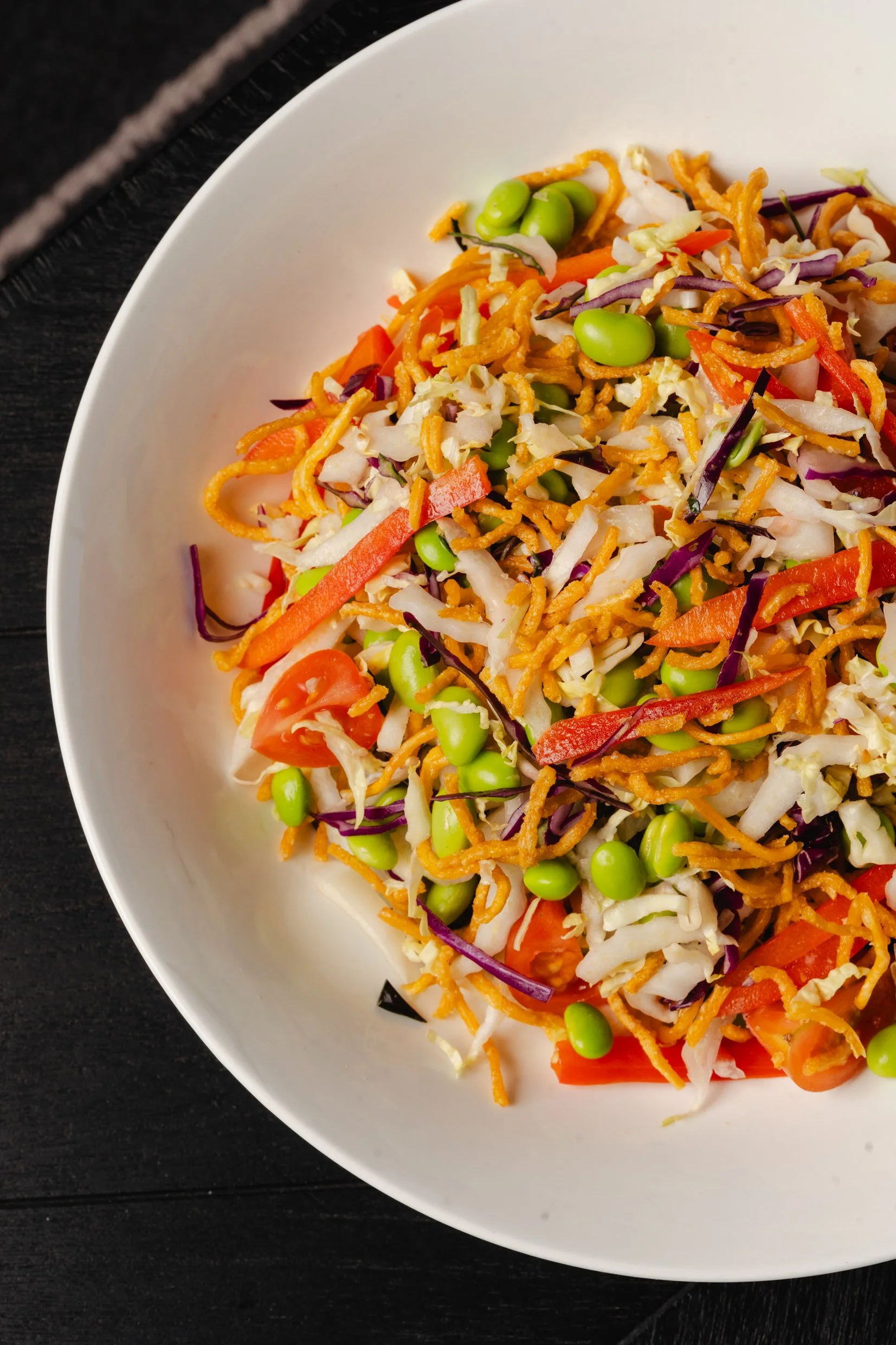
Steve says his focus has been on moving away from stereotypical vegetarian options: “We do cauliflower steaks, a truffle mushroom risotto, lengtil bolognese, tofu curry, mushroom calamari. There are so many great fruits and vegetables to choose from that you can build terrific recipes around – going back several years, we were one of the first to put jackfruit on the menu, when nobody knew what it was.
“We’ve integrated them into the menu and they look absolutely beautiful, and recognisable for what they are”
“We’re always pushing the boundaries – we made jackfruit sliders, just having a bit of fun with the ingredient, and they were really well received. Now we’re about to launch smoked watermelon as a vegan spin on smoked ham and we’ll see how that goes.”
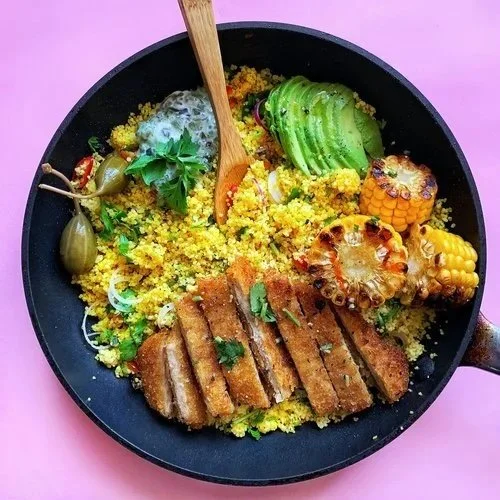
Steve emphasises presentation is a key element in ensuring the attractiveness of these dishes: “We’ve integrated them into the menu and they look absolutely beautiful, and recognisable for what they are. We’ve got a miso burger which is presented like a burger because that’s what people want, but it has a miso and black bean pattie instead of meat.
Good, fresh ingredients without processing
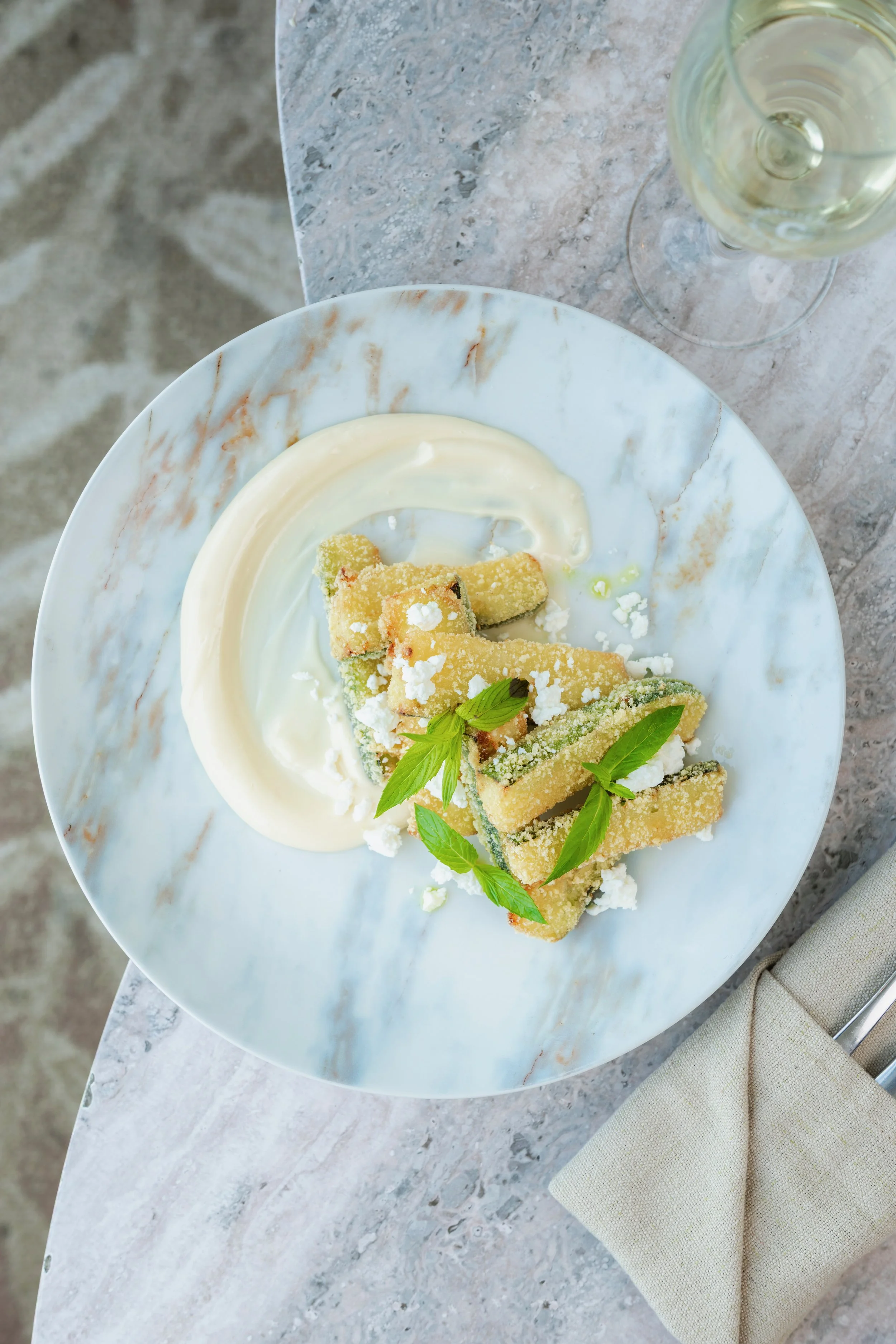
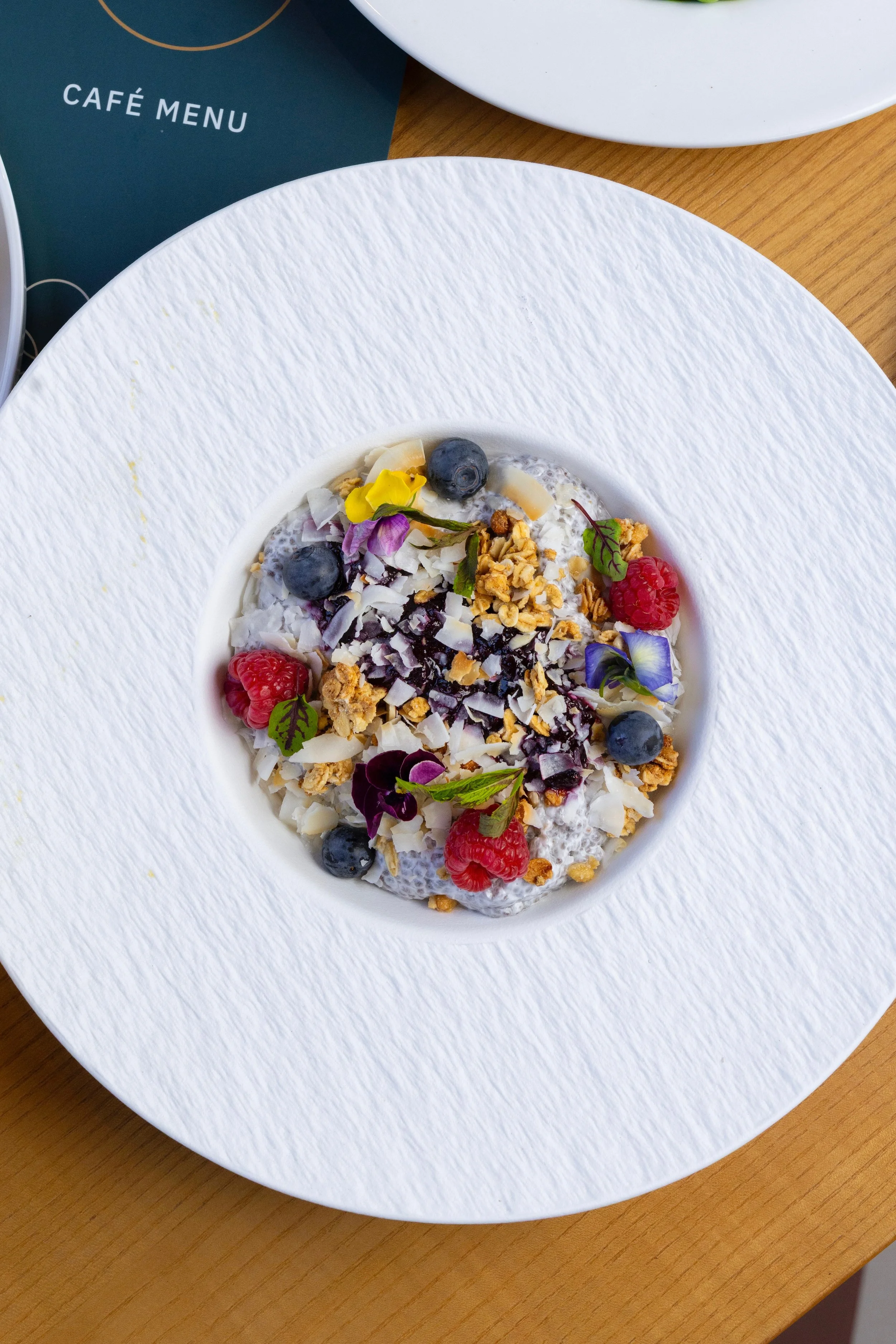
“We also make sure we’re using real ingredients that are vegan or vegetarian – I’m no fan of these plant-protein substitutes, the only one I’ve found palatable is vegan cheese. We just focus on using good, fresh ingredients without processing – that’s why they’ve worked for us. We do a beautiful tomato and basil lasagne with a cashew bechamel which has been a big hit.”
Steve says there are around 8-10 dishes per venue, and around 15 per cent of those will be vegetarian or vegan – 20 per cent if the venue is a larger one, “but it’s still a modest proporton. Without a doubt, though, you’ve got to offer that option – it’s becoming more and more popular. It comes down to people’s eating habits changing as their health awareness broadens – they’re definitely avoiding too much animal protein and looking at other options.”
Related Articles