Pub market continues to set trends in delivering winning dining experiences
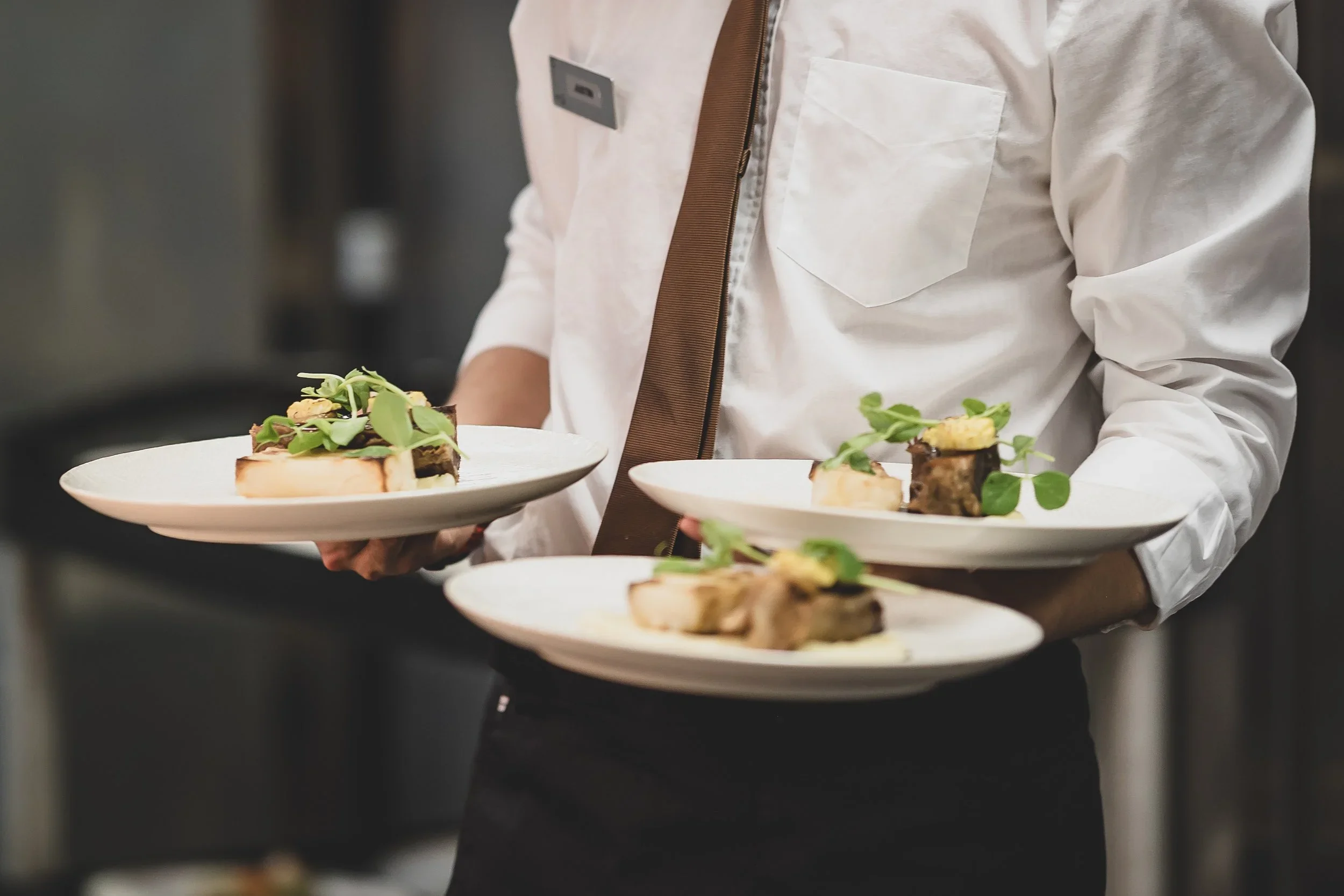
/As the foodservice market gears up for 2026, one sector that has remained strong in weathering the storms of recent years is pub dining. Upmarket pub meals are arguably the equal of most casual dining restaurants, and pubs are often where you’ll find the latest menu and presentation trends.
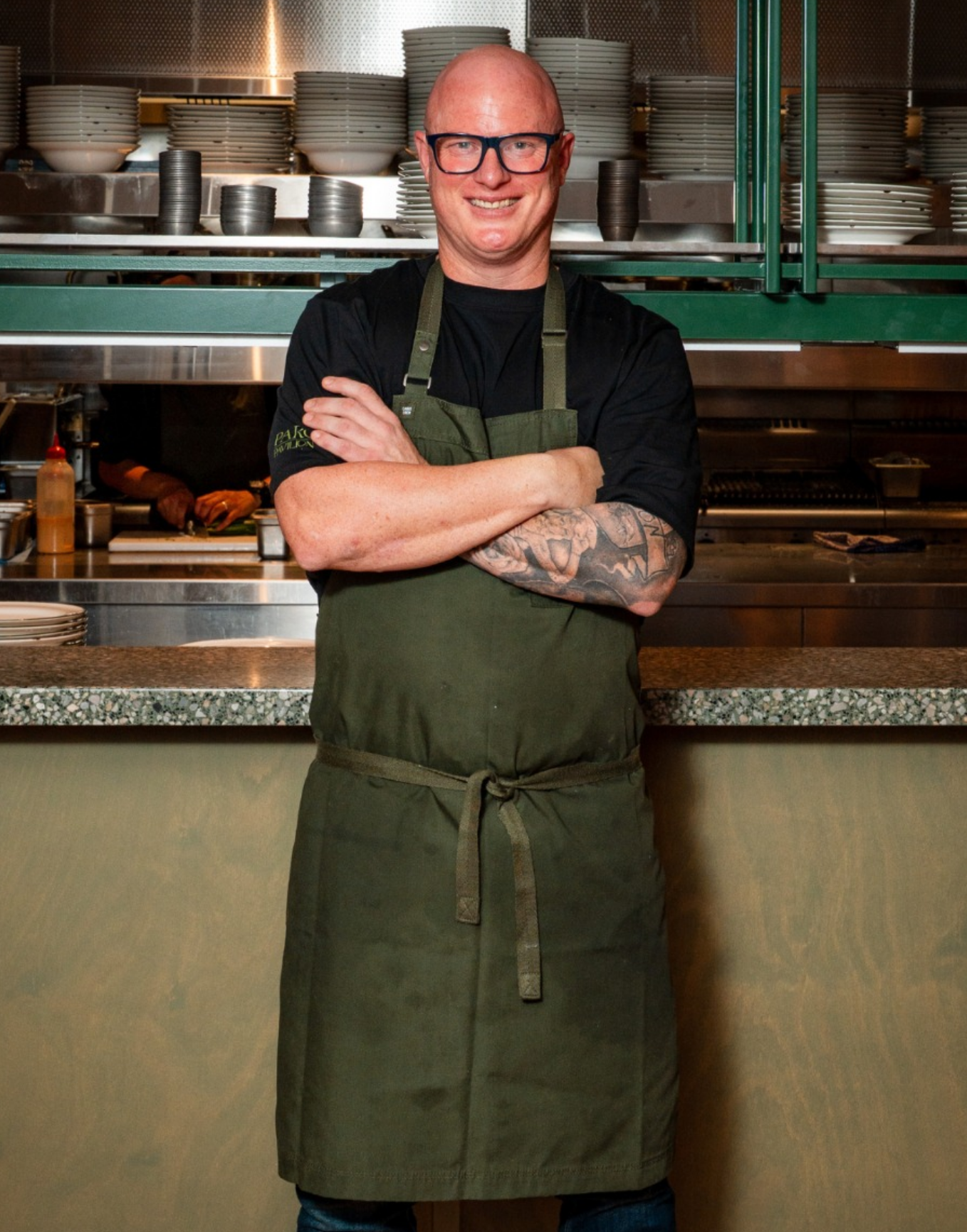
Feros Group Culinary director Jamie Gannon
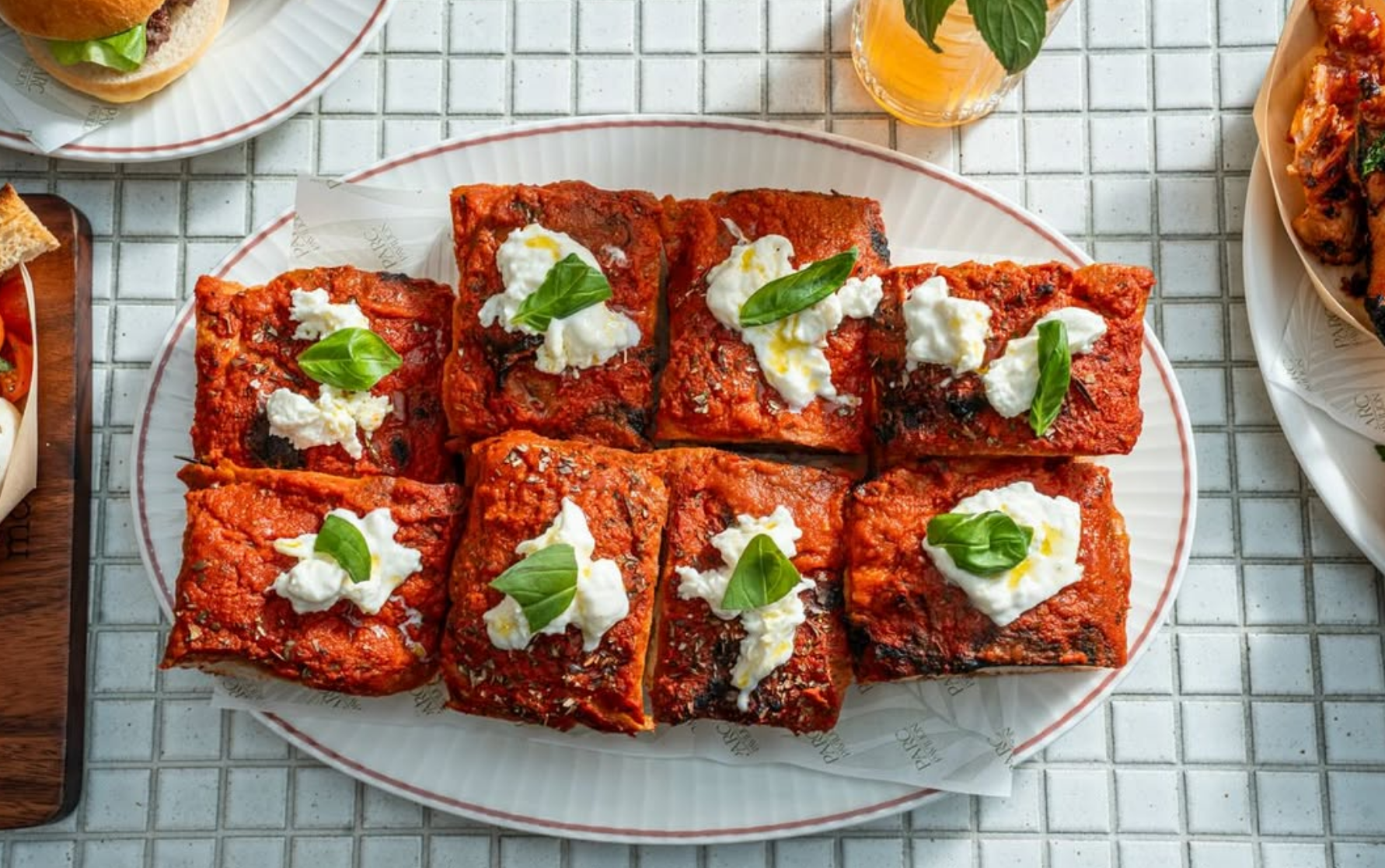
For an insight into the state of play, Foodservice Rep spoke to Jamie Gannon, six months into his role of culinary director for Feros Group, the long-established hospitality business which has grown from one pub in Sydney’s Newtown to multiple iconic hotels including The Highfield at Caringbah, The Prince Kirrawee, Taren Point Hotel, Engadine Tavern, Parc Pavilion at Cronulla, The Berry Hotel and Ocean Beach Hotel in Shellharbour.
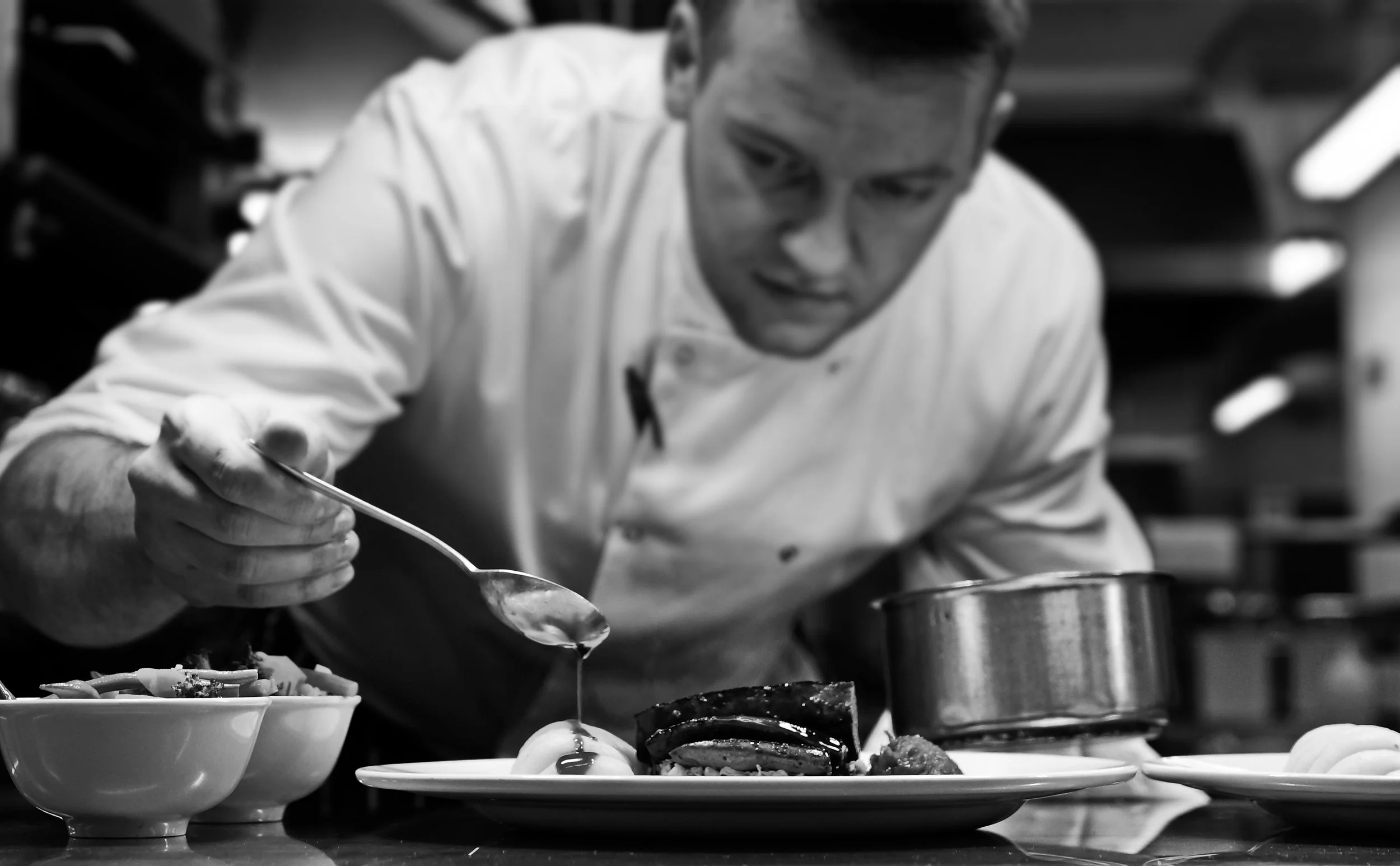
“The backbone of any pub across Australia are the classics – schnitzels, parmies, rump steak, beef and chicken burgers and battered fish and chips,” Jamie emphasises. “They will be in the top five to ten sales across any venue, so you need to nail those first – then anything else is fair game, you can try different things and be a little bit experimental.”
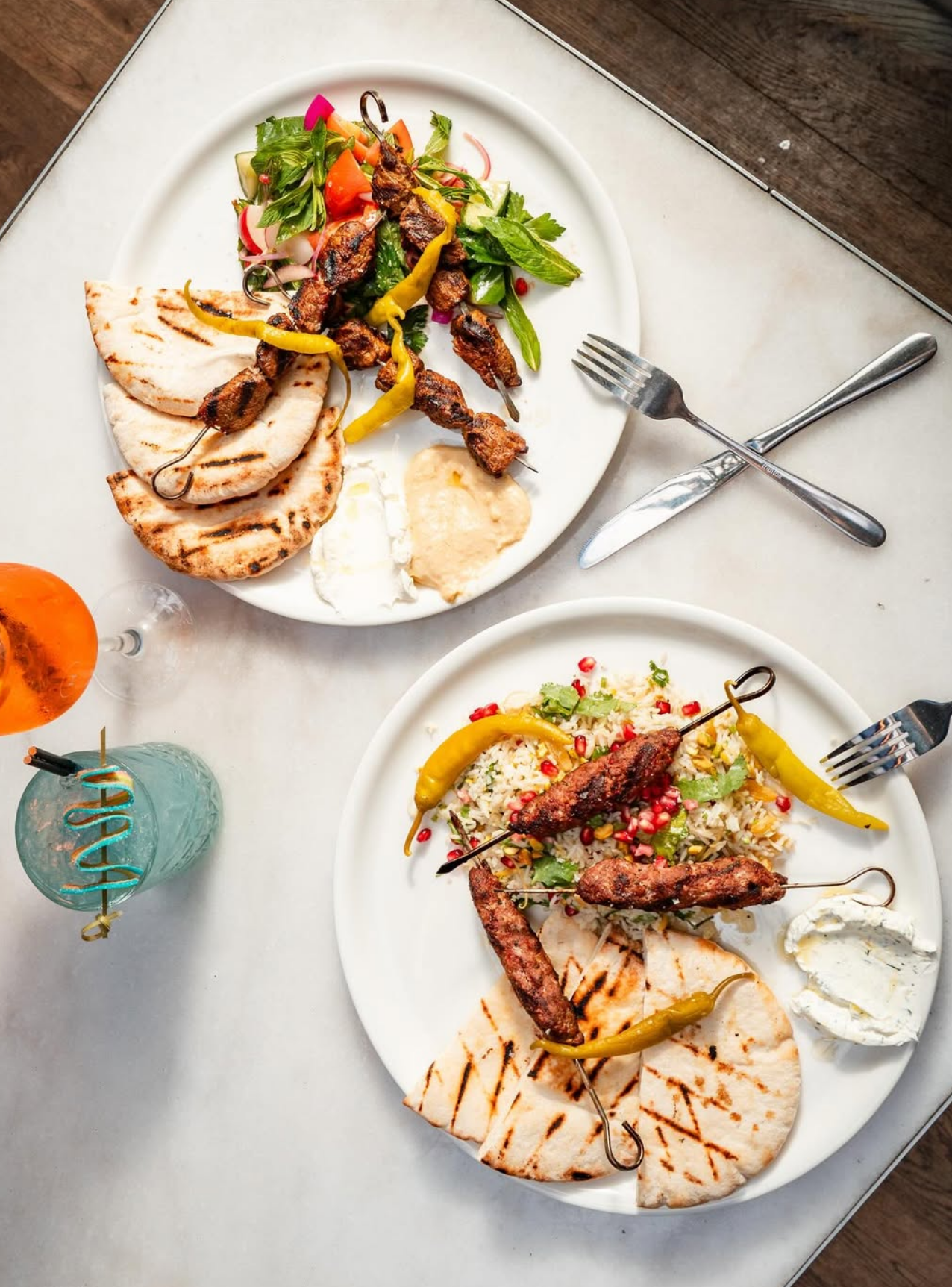
Following Feros Group’s recent acquisition of Helm Bar and Bistro in Darling Harbour, Jamie and his team have remodelled the kitchen and opened a downstairs bar, with popular Greek gyros prominent on the menu – “Having one with a beer is pretty cool, they’re virtually flying out the door,” he reports.
Gap between casual dining and pubs closing fast
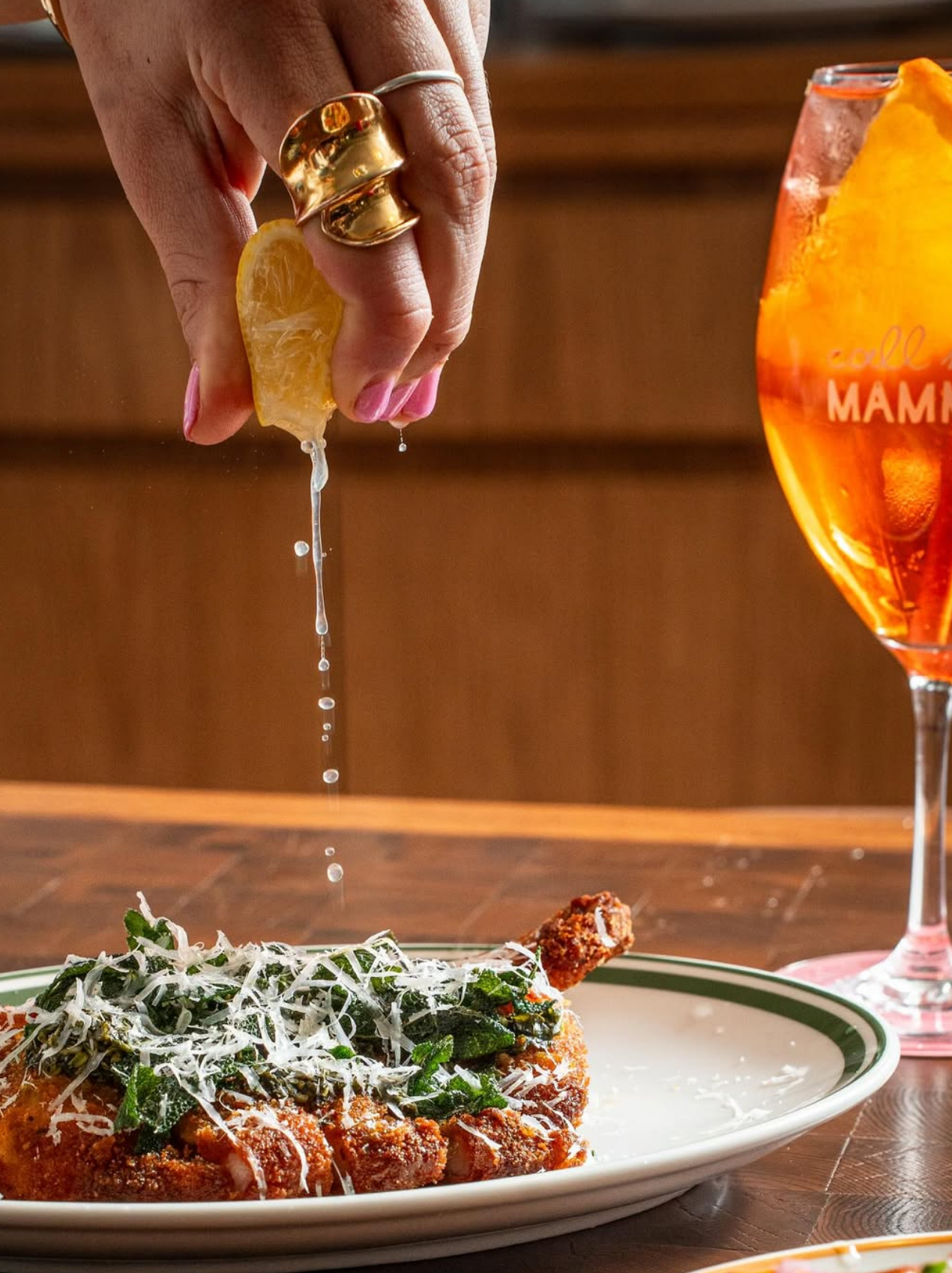
“The most important thing to remember in developing any pub menu is that your customers are looking for value for money. Once you put fine dining to one side, you can see the gap between casual dining restaurants and pubs is closing fast – and that’s partly because in a lot of areas we can get away with selling at a slightly cheaper pricepoint in pubs, thanks to our service model. The steaks we serve, the ingredients we use are restaurant quality, but because we use a buzzer system for service we don’t need to charge as much as those restaurants which offer table service.”
“Gastropubs are increasingly becoming more the norm than the exception”
This narrowing gap has also led to a higher quality expectation from pub dining among the public and the rise of the gastropub: “We all know there are some pubs you walk into and from the outset they are led by gaming, so you don’t expect too much from the food. But gastropubs are increasingly becoming more the norm than the exception and when you walk in you expect an elevated food experience, and we have to deliver accordingly.”
Sustainable produce is important
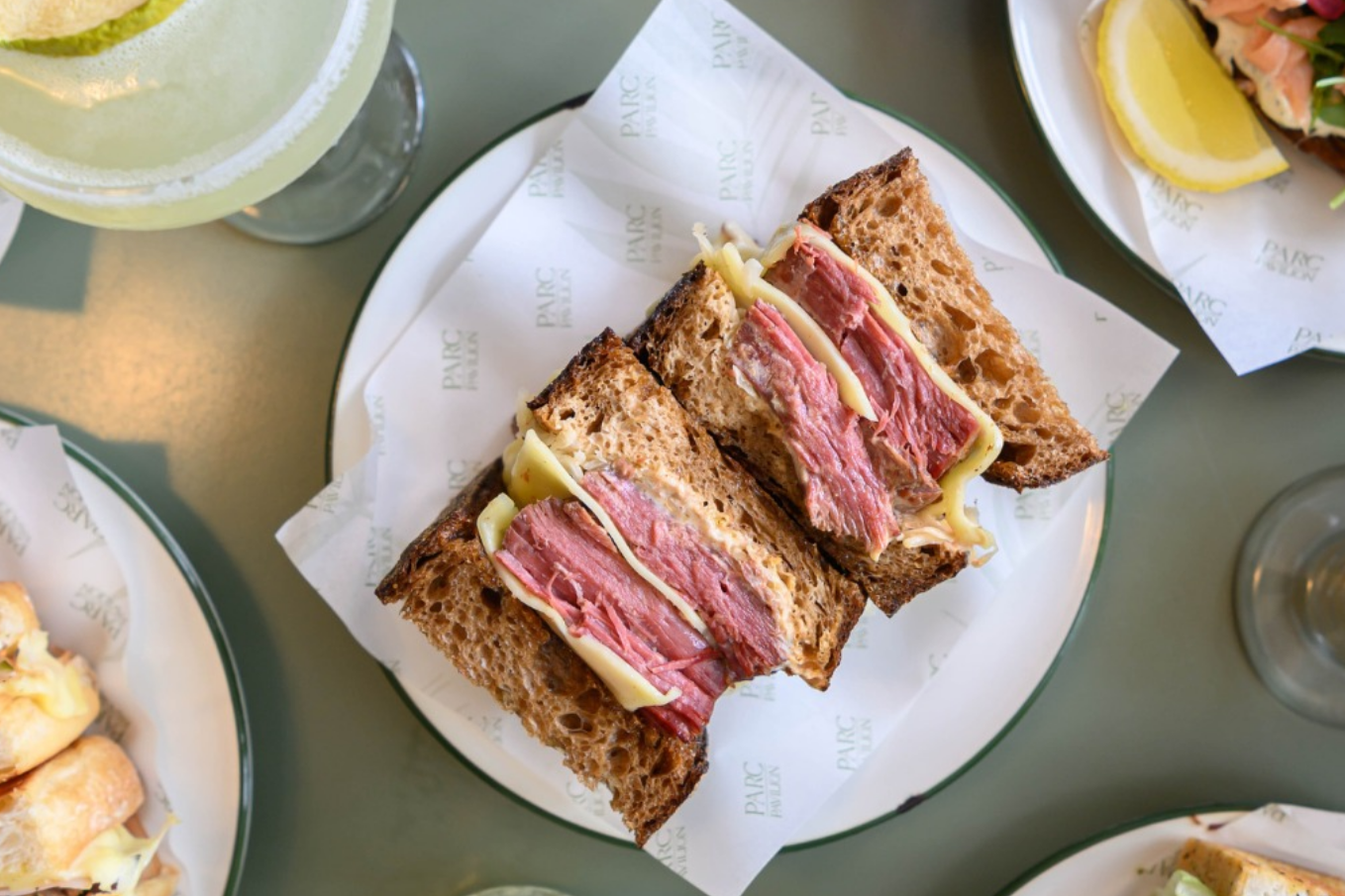
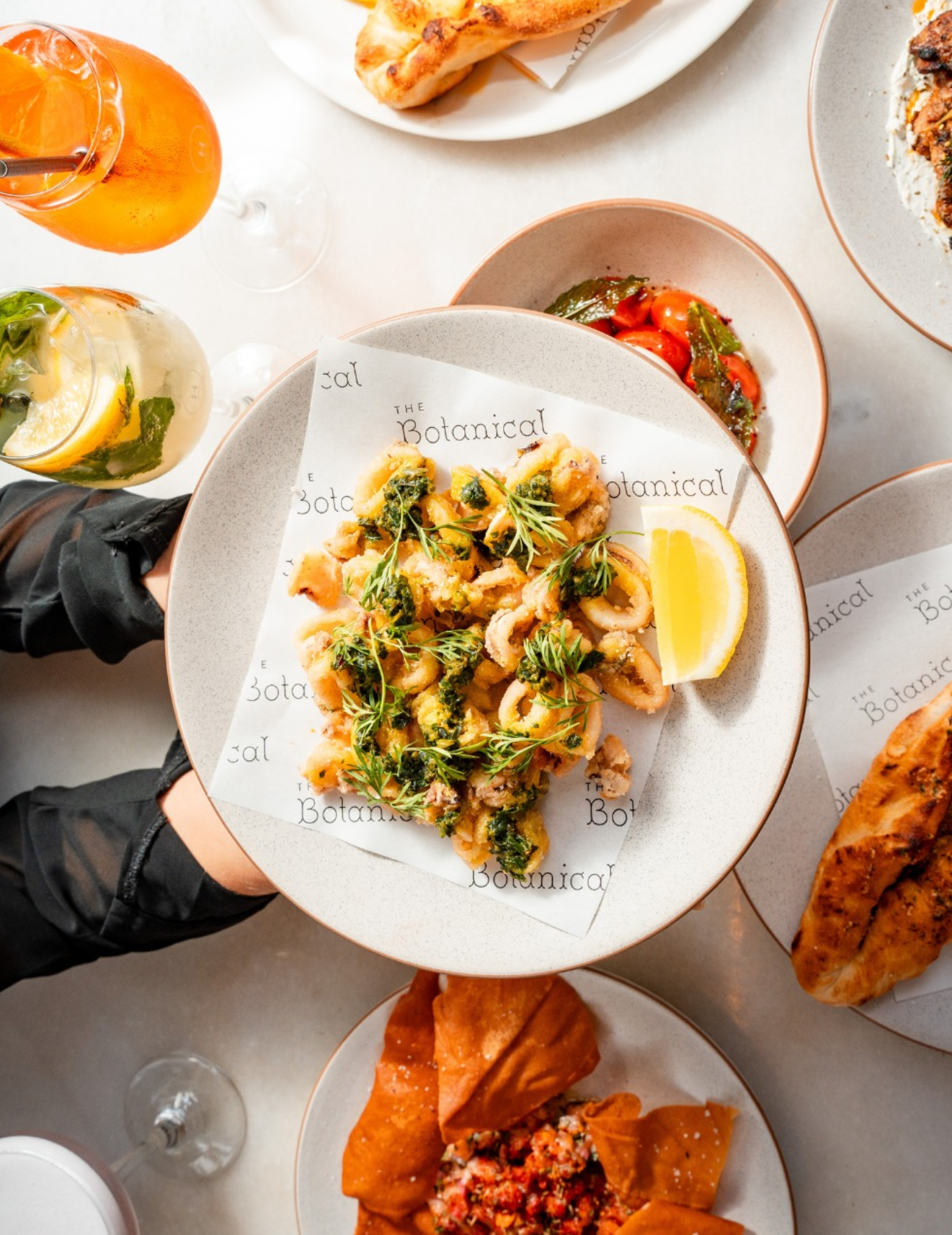
This recognition fuels Feros Group’s approach to menu creation. “All the venues in our group are now using local fresh fish, which is important to me and should be to everyone. When you buy fish from overseas, you don’t necessarily know what species it is, and if it’s farmed in a large tank that’s not ideal. It’s better to know the suppliers you’re dealing with and what their sustainability practices are.
“Buying local sustainable produce is important – sometimes there’s a cost attached to that, but as long as that story’s communicated to the customer, I think most people don’t have a problem with it,” he says. “Again, if you walk into a real gastropub that’s been renovated and fitted out like a restaurant you’re going to expect a fresh piece of fish, especially if you’re paying $30 for a main.”

Jamie argues pub diners have become more adventurous in recent years. “Cooking in general is more accessible now to a lot of people – I used to do cooking demos and you were teaching people who had no idea, but now they are keen to come up and try it themselves and that’s a definite change.”
“Same as with pub food, you have your classic cocktails that you need to have on the menu”
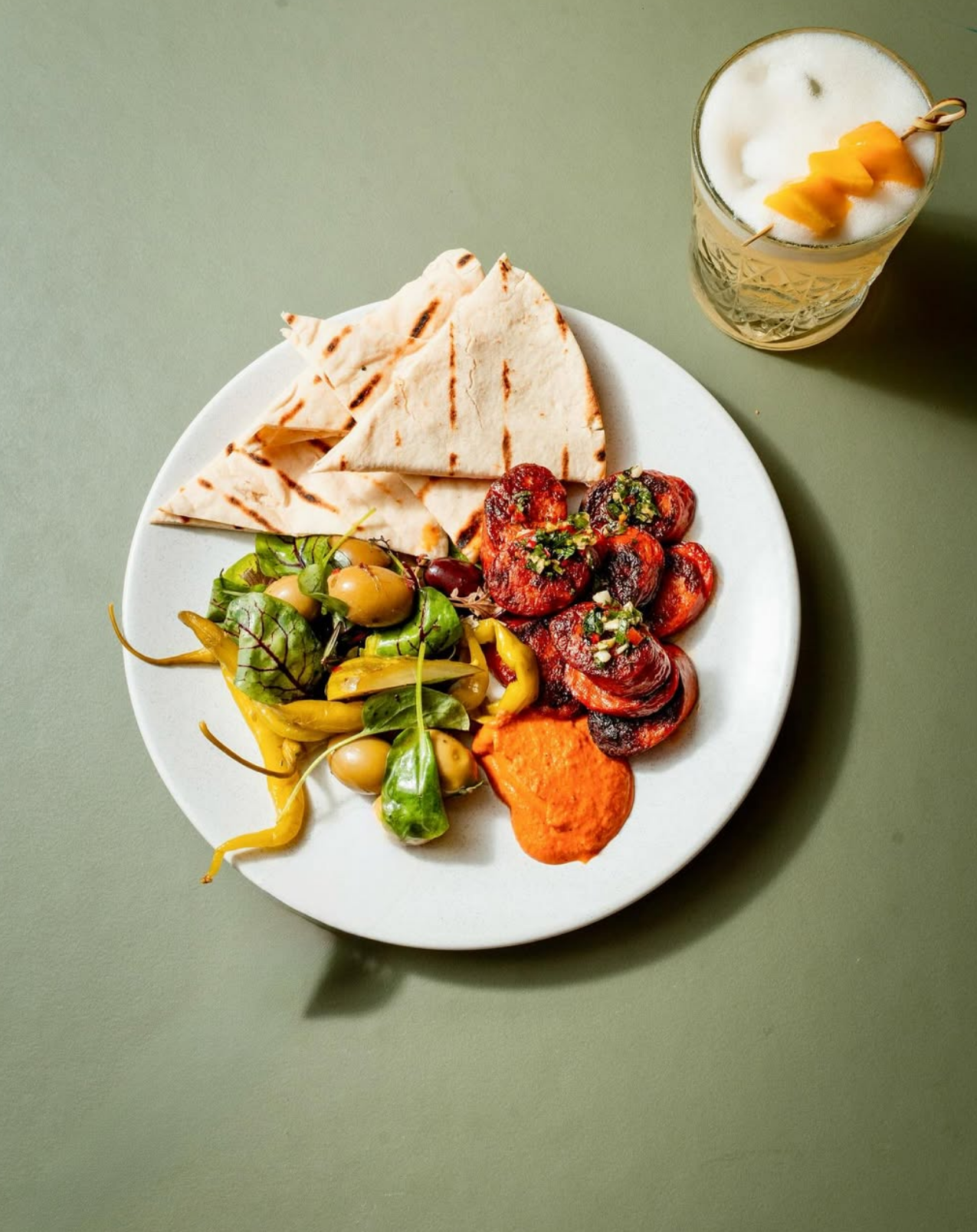
As international food trends continue to influence menus, Jamie says Greek cuisine is now going through the pubs and “there will be definitely be more Asian coming into venues too, but you still need to have those classics on the menu. You can’t go all one way – we’re very focused on what we do, we do it well, but you don’t want to go too much in one direction. Nor do you want to try and offer too much because that’s when the wheels fall off – you can’t have a menu with 100 items and 16 different ingredients, because you won’t be turning them over fast enough to keep them fresh and the kitchen team can’t keep up. It’s just not like that anymore.”
Cocktails on the rise
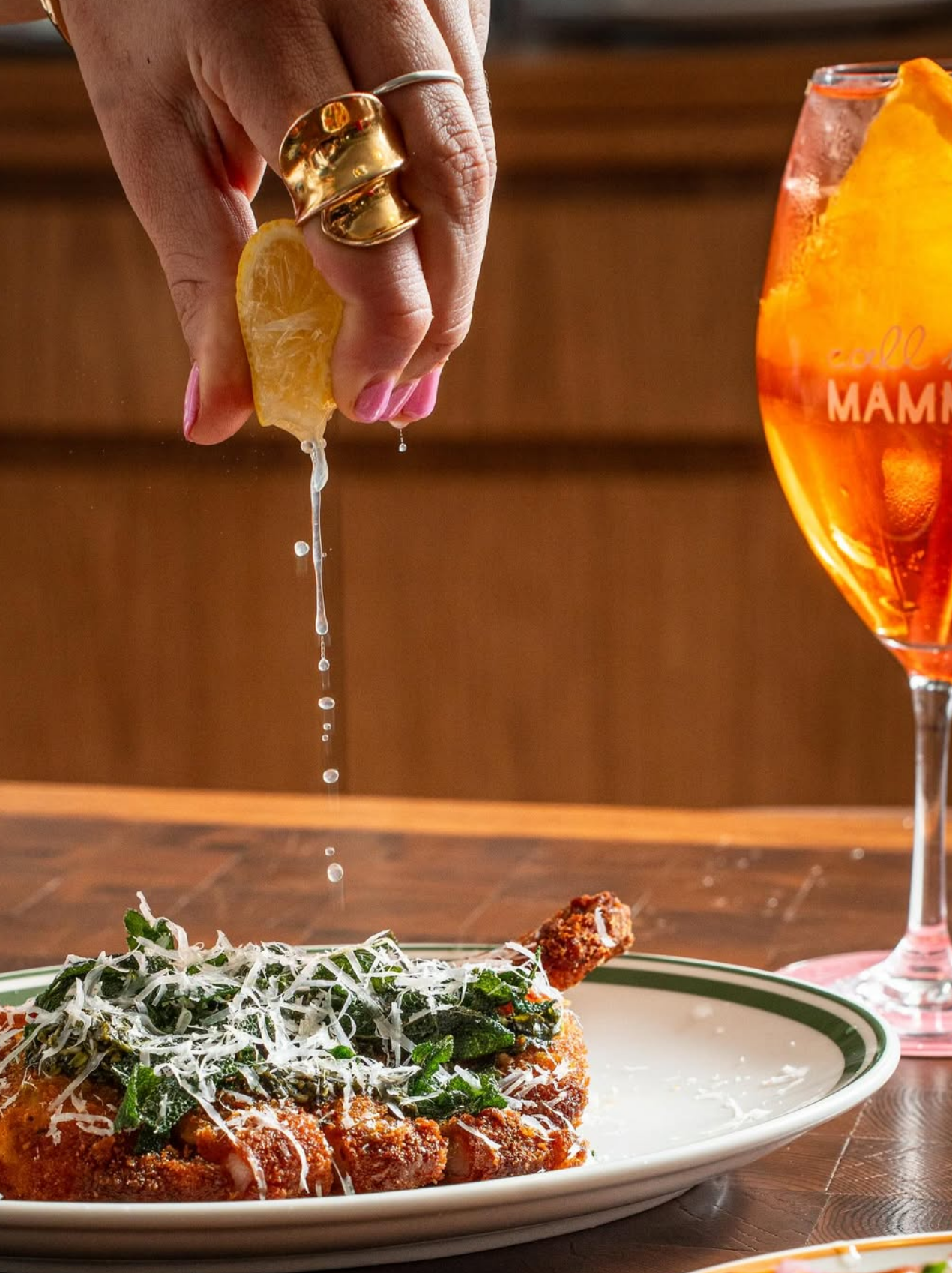
While draught beer is still the number one drink of choice for pub diners, cocktails are certainly on the rise – “our guys will batch and serve thousands a day, it’s phenomenal,” Jamie reports. He attributes this partly to the rising cost of beer: “It’s hard to get a schooner for under $10 these days unless it’s being subsidised by gaming, and some of the craft beers are $18 plus, so a lot of customers see better value in a $12-$14 cocktail.”
The cocktail menu has a seasonal focus, incorporating plenty of fresh fruit – stonefruit and watermelon are big in summer. “Same as with pub food, you have your classic cocktails that you need to have on the menu, and the team can get a bit creative with the rest of the offering.
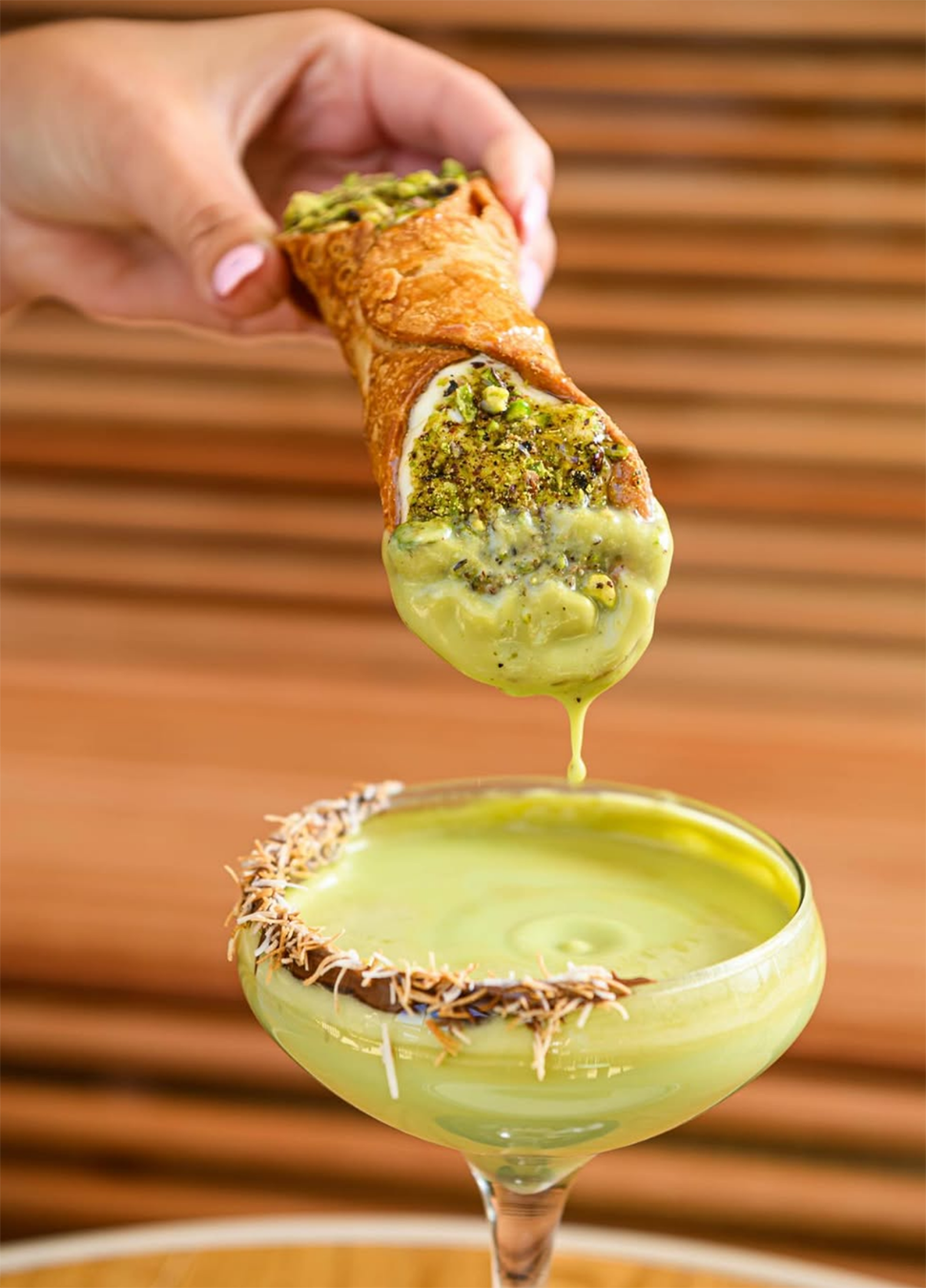
Matcha pistachio cocktail with canoli
“In some of our larger venues we have one team member who makes most of the cocktails – it’s literally an entire production with a dedicated crew behind it. We’re coming up with new concepts all the time – I was at a photoshoot the other day and we made a matcha and pistachio cocktail, then added canoli as it seemed the perfect complement. It’s amazing the creativity that goes into the process.”
Themed events draw in diners
Themed events are also a solid drawcard for pulling in the punters – “we did a Mexican night last year, teaming up with a tequila brand,” Jamie says. “There are great opportunities to be had by working with complementary brands to stage events which will resonate well with your diners. We try to activate one at least every month across several brands we work with – we’ll come up with the menu and match it with the beverage. I think it gives people an extra incentive to go to the pub that month because it’s a different experience – it’s table service, they’re seated and it’s a set menu so they know the food cost in advance.”
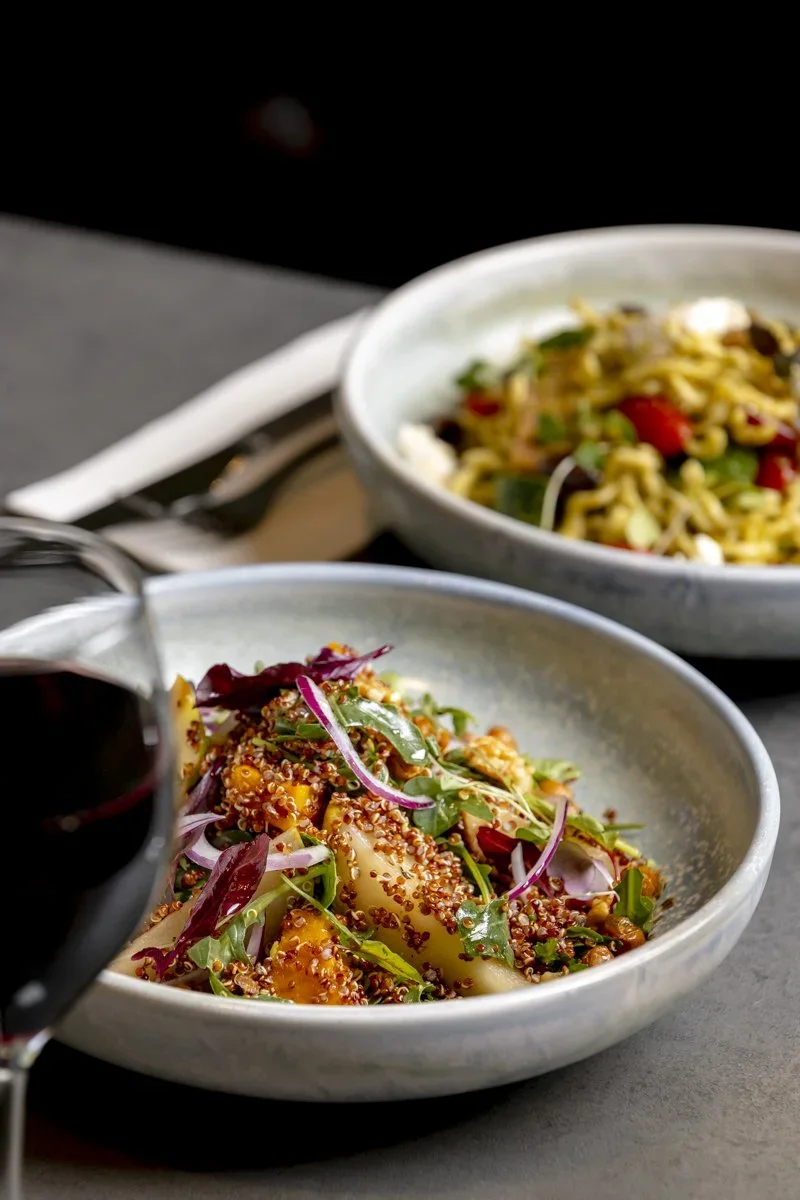
Food and wine pairing is another effective means of upselling: “There’s definitely merit in pairing wines with your dishes – although it can be difficult when your food and drinks orders are placed separately. What has helped us are the online order apps which will generate a beverage recommendation to accompany the meal the customer’s ordered, they are a great innovation.”
Related Articles