Young Chef of the Sea Award winner on why seafood is a sure bet on the menu
/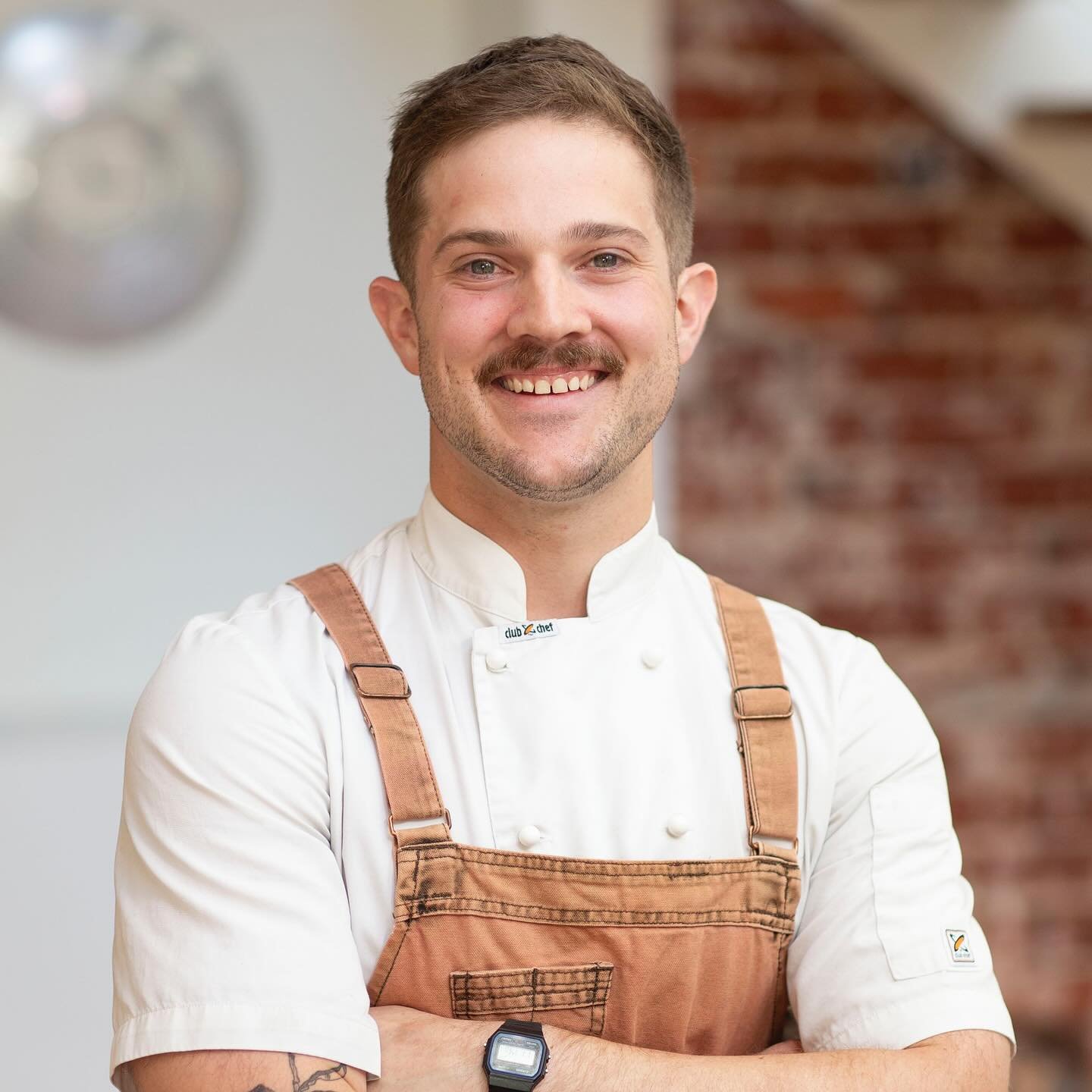
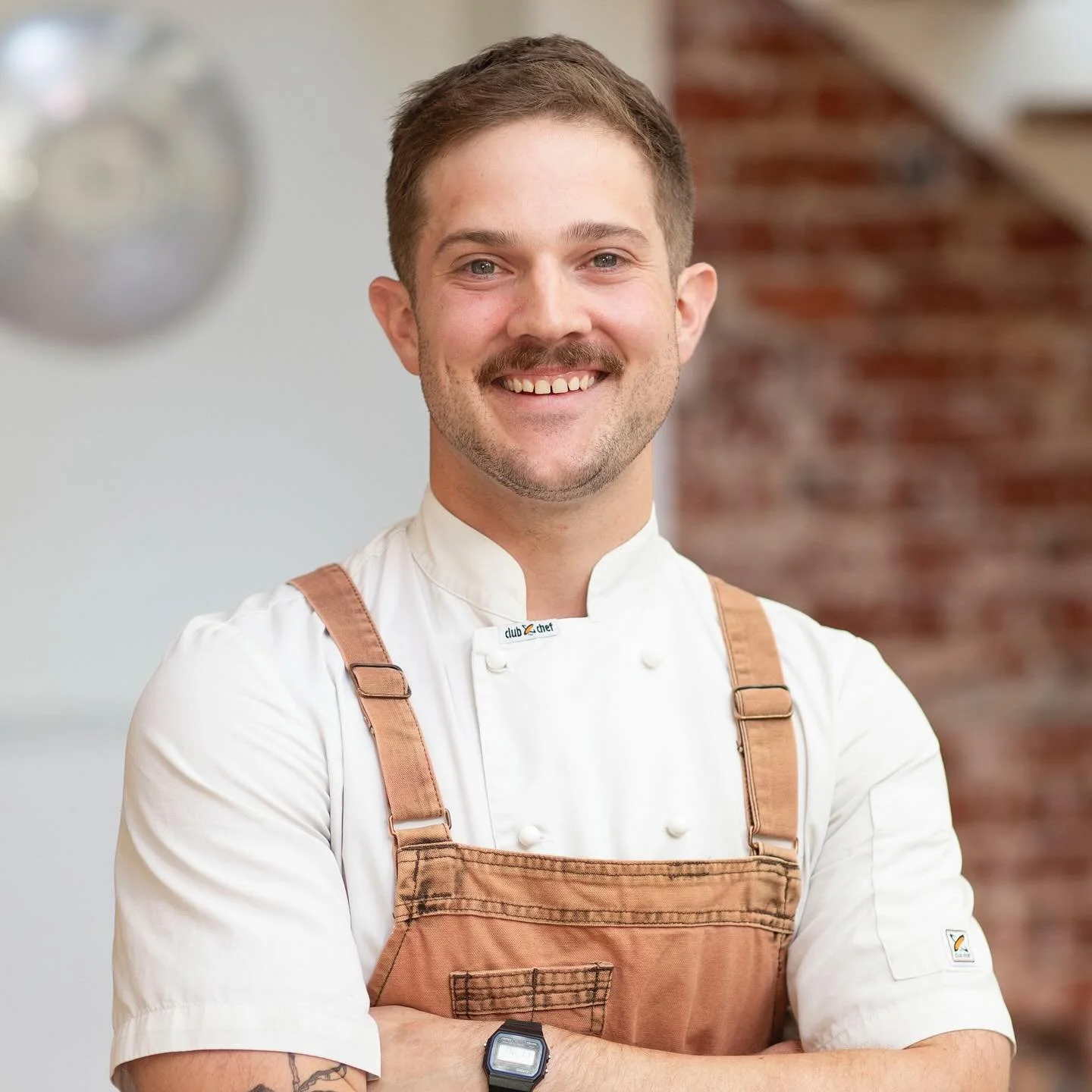
YOung Chef of the Sea award winner Quinn Swift
A staunch advocate of seafood on the menu, chef Quinn Swift is the 2025 winner of the Austral Young Chef of the Sea Award, presented each year to an emerging ‘star seafood chef’ by Austral Fisheries and the WA Good Food Guide. More recently he was asked to co-host a “chef to chef” video promoting the new Seafood Nutrition Toolkit – an educational resource about the health benefits of eating seafood.
“There’s so much you can do with seafood, it’s so versatile, and I think a lot of chefs who care about sustainability and provenance are increasingly focusing on it because we are so blessed in Australia to have such an abundance of it in such great quality,” Quinn enthuses. “We are an island nation with so much coastline and the fact that we can access fantastic seafood from just off the coast does make it seem quite special – there’s always a great provenance story there which you can use on the menu.
“The fact is that we have some of the best tasting seafood in the world, hands down, and I’m happy that we have good fisheries management practices in place. It’s important to protect the industry for the future, to make sure we’ll be stocked up for a long time to come, and that’s happening.”
“I think a lot of chefs who care about sustainability and provenance are increasingly focusing on seafood”
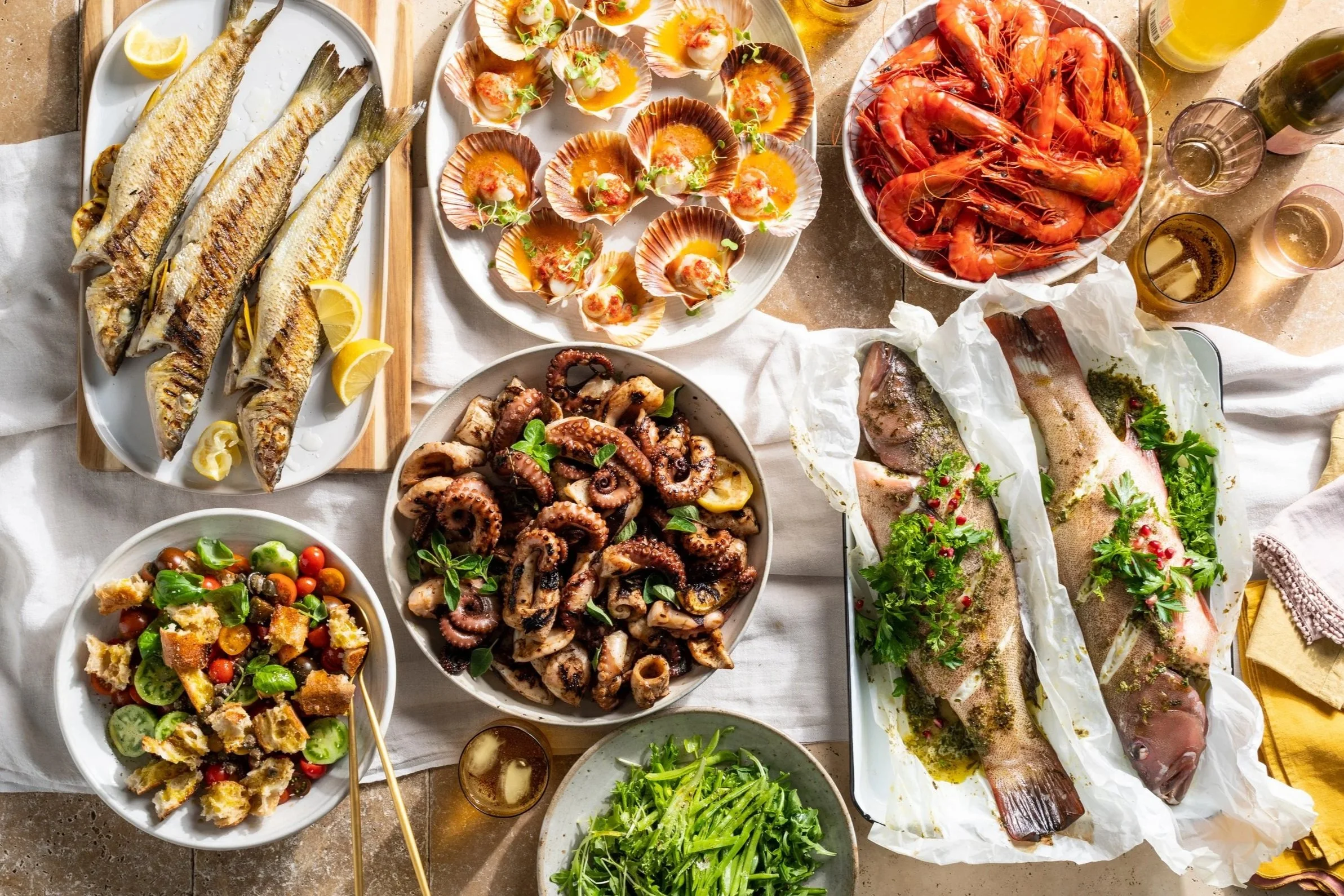
Photo: © Sydney Fish Market
A passion for sustainable seafood
Quinn attributes his passion for seafood at least in part to pioneering chefs like Josh Niland, whose books The Whole Fish Cookbook, The Fish Butchery and Take One Fish have proven highly influential in opening eyes to its versatile application on the foodservice menu. “He was the first one to say we should be looking at fish like we do beef or lamb or chicken – he explains how to handle and prepare it, including scaling without bruising the skin, drying it and so on. I think a lot of chefs have read his books and learnt how to cook fish better, and that then leads you on to exploring other types of seafood, because we have so much to choose from.”

Quinn Swift w/ team at Sonny’s Bar
Quinn hails from Perth, where he trained under chefs including David Coomer, Danny Sanchez and Scott Brannigan – but it was working at Brat in London that ignited his passion for sustainable seafood. Returning to WA, Quinn was working at Sonny’s Bar in Mount Hawthorn, cooking seafood on an open fire, when he was encouraged to enter the Chef of the Sea Award by his head chef Sofika Boulton. “I was at the gym and she texted me this link and said if you don’t do this … which gave me the push. She has always been very encouraging about my seafood cooking and that made me confident enough to enter, which really paid off.”
Quinn’s association with Sofika goes back to his apprenticeship days. “We used to work together when I was 17 or 18, now she’s a head chef and so knowledgeable and relaxed – the way she cooks is so simple but it gives you everything you want from food. At Sonny’s we’d always have one big fish dish and two or three smaller seafood offerings like oysters, crudo or ceviche using squid or cuttlefish or whatever we could get at the time that was a standout.
“These days you can virtually track your fish from the point of its being caught to being served on your plate”
“I was always trying to see if we could put more on because it’s such a passion. It was so popular on the menu and that’s down not just to the cooking and presentation but also our great suppliers who could give us so much detail about the provenance. It’s amazing that these days you can virtually track your fish from the point of its being caught to being served on your plate – Perth diners tend to be picky about seafood, but I think diners all over Australia are becoming more interested in provenance now.”
Winning Chef of the Sea involved submitting recipes, being interviewed before a panel of judges and finally participating in an hour long cook-off against three other finalists. Quinn came up with an innovative dish – torched Skull Island tiger prawns with a prawn bearnaise and nduja crumb. “Ideally I would have cooked it on a chargrill but I didn’t know in advance what cooking equipment would be available, so I brought a blowtorch along. It was very lightly torched, I went for almost a crudo (Italian for ‘raw’) style dish - you just sort of lightly kiss it with the torch, colour it up a little bit.

QUINN’S WINNING RECIPE - torched Skull Island tiger prawns with a prawn bearnaise and nduja crumb
“For the prize, I got to go on a trip to Cairns and do a lot of really cool stuff – the Award sponsor Austral Fisheries took us up to see the Skull Island fishery and a bunch of others that operate out of there. They are a sustainable MSC (Marine Stewardship Council) bluetick operation who work with a lot of other sustainable seafood businesses, including a tuna fishery and we had a look at all those facilities.
“These guys are so precise about what and where they’re going to catch – it’s pretty amazing how they can selectively target the prawns”
“On the last day we took a boat trip to see how they undertake ocean testing of their equipment before setting off trawling for three months. It was a real eye-opener showing just what’s involved in getting the prawns into our stores and onto our plates and it gave me a great respect for everyone working on the trawlers. There’s a lot of science behind it, which I realised once I started talking to the fishermen up there. Some of them have been working in the business for generations and they have great stories to tell. And these guys are so precise about what and where they’re going to catch – it’s pretty amazing how they can selectively target the prawns. At the end we had a dinner and I ended up cooking my dish for everyone and they were like, oh my God this is great – we’ve never seen prawns done like this!”
Showcasing seafood’s health benefits to chefs
Following on from his Award win, Quinn was asked to join WA Food Ambassador chef Don Hancey as co-host of a “chef to chef” educational video promoting the Seafood Nutrition Toolkit, an international initiative designed to showcase the health benefits of eating seafood.
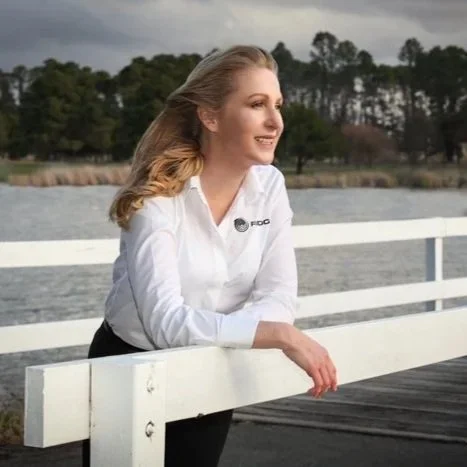
Research Portfolio Manager Dr Carolyn Stewardson
“The idea behind the Nutrition Toolkit is to relay current, complex science in a simple and engaging manner,” explains Research Portfolio Manager Dr Carolyn Stewardson of Australia’s Fisheries Research and Development Corporation (FRDC), who coordinated the science review component that informed the build of the Toolkit.
“Seafood has long had a reputation for being a healthy food and there have been many studies into its health benefits but it can be hard for people to access these. We wanted to bring this information together in an accessible form and hopefully make it easy to understand.
“The Toolkit includes the key findings of an independent study conducted last year in which two expert scientists conducted a detailed review of the scientific literature around seafood and human nutrition, analysing 281 studies.
“It showed the scientific evidence supports the consumption of at least two serves of seafood per week as part of a healthy diet, with at least one of these portions rich in omega-3 fatty acids. A variety of seafood should be consumed to gain optimal health benefits at all stages of life. And while supplements containing some of the nutrients from seafood can be beneficial, eating seafood itself offers additional benefits because of the range of nutrition in whole fish and shellfish.”
“Demand is going to get bigger and bigger”
The Toolkit’s summary of Seafood’s impact on healthy ageing includes a comprehensive list of health benefits from eating seafood, citing nutrients including calcium, iodine, vitamin D, iron, vitamin B12, zinc, protein, antioxidants and other minerals in addition to the aforementioned omega-3 fatty acids. “The evidence for the benefits of including more seafood in the diet is strong,” Carolyn says, “and we’re trying to get it out there so more people know about it and are encouraged to eat at least two serves of seafood per week, whether at home or dining out, taking away or ordering in.”
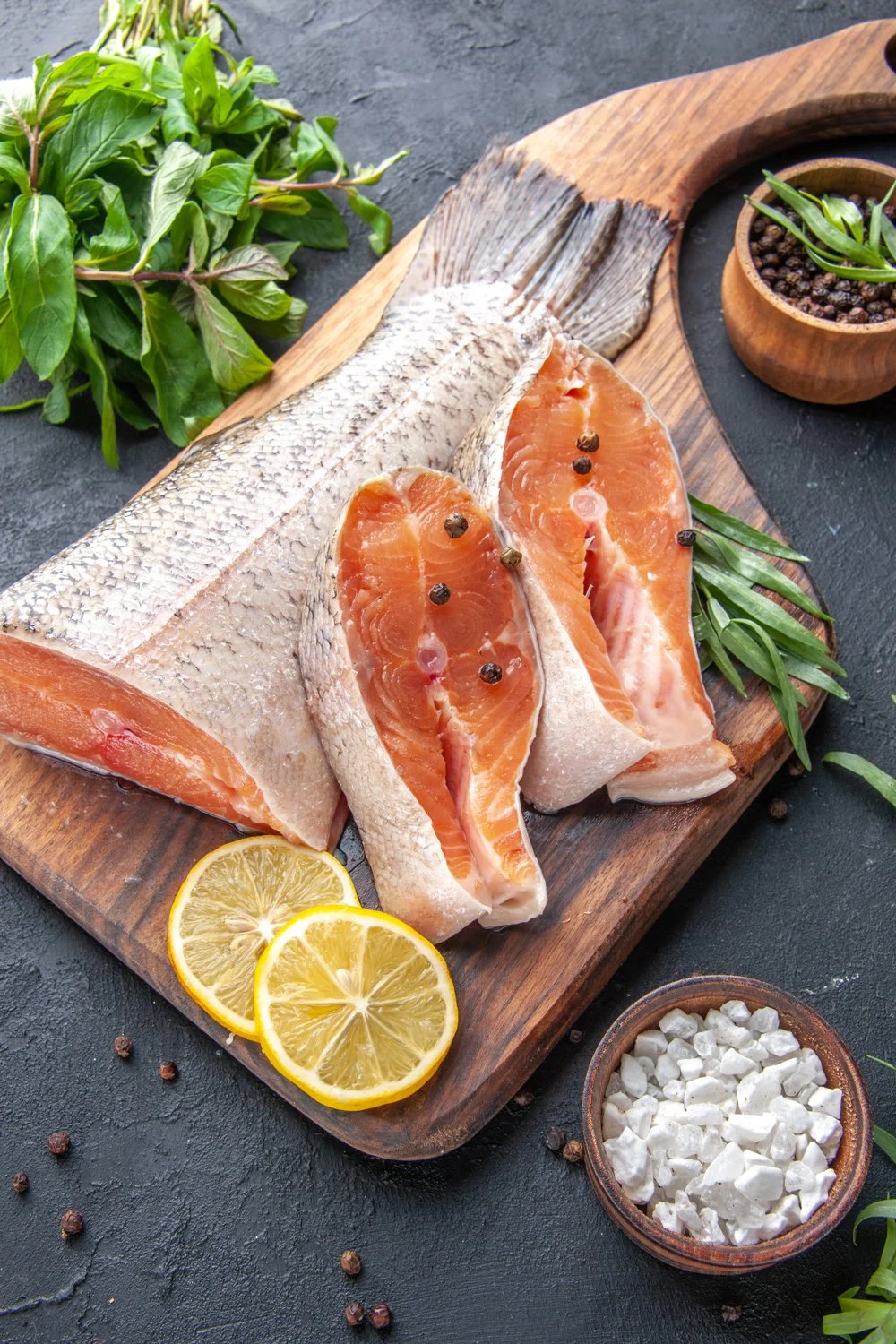
Quinn was excited to be asked to participate in his first professional video – “I had worked with Don previously and he floated the idea with me. Carolyn asked us to prepare a sustainable dish using lesser-known, underutilised species which can be very economical for foodservice operators. I chargrilled some Shark Bay whiting and served it with a tomato and lemongrass broth and a shallot confit with lemon dressing – it’s a very summery dish because it’s so light, and you can swap out the whiting for the fish of your choice.
“People don’t realise that even the lesser known seafood, which can be more affordable, is also very good for you”
“It’s the first time I’ve been involved with something like this, and once I started learning more about the nutritional aspects of seafood I was quite intrigued. There’s a lot of research to back it up and people don’t realise that even the lesser known seafood, which can be more affordable, is also very good for you. I think as we all start becoming more aware of these benefits, demand for seafood on the menu is going to get bigger and bigger – especially for those wanting to look after themselves.”
Watch Quinn and Don in their ‘chef to chef’ seafood video
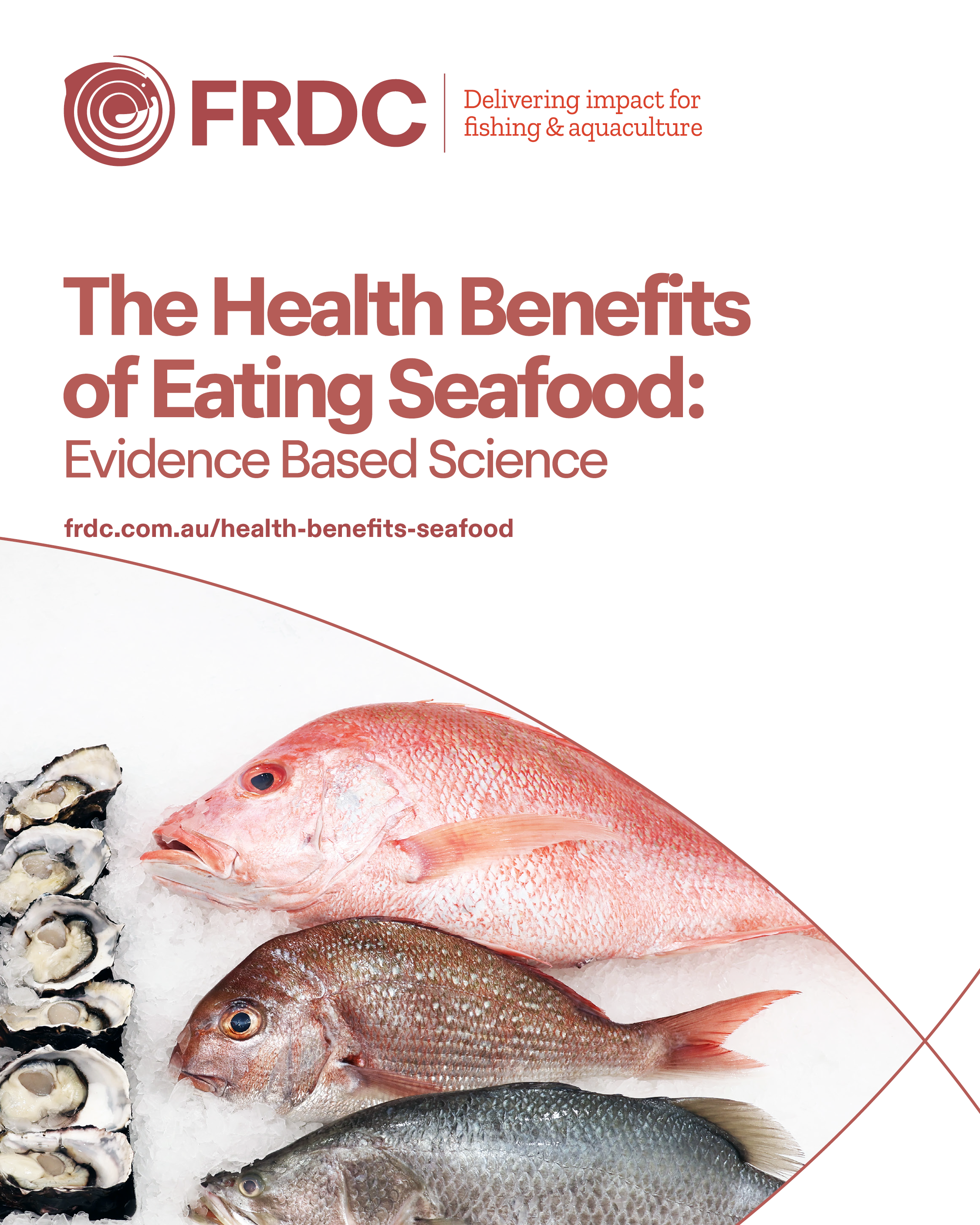
You can access the FRDC Health Benefits of Eating Seafood Independent Study and the Nutrition Toolkit resources at https://www.frdc.com.au/health-benefits-seafood