‘Sizzling Six’ key trends detailed in Rare Medium’s Red Meat Trends report
/For a great go-to source of information you can trust about Australian red meat, nothing beats Rare Medium.
Meat & Livestock Australia’s foodservice program has been providing education and inspiration to chefs on all aspects of Australian beef, lamb, veal and goat from paddock to plate for many years, generating a wealth of online content in consultation with experts drawn from across the spectrum of Australian foodservice.
A key resource designed to provide inspiration to chefs is Rare Medium’s annual Red Meat Trends report, which this year highlights the Sizzling Six – six key trends shaping how chefs cook and diners connect with red meat.
“Each of these trends reflects broader shifts that chefs can lean into to inspire diners, add value and showcase Australian beef and lamb at their best,” says MLA Brand Content Manager Mary-Jane Morse. “Together they point the way to a future where sustainability meets desirability and provenance meets possibility – ensuring red meat remains not just relevant but essential to the evolving dining experience.”
“Techniques are evolving, flavour profiles are expanding and cultural influences are colliding”
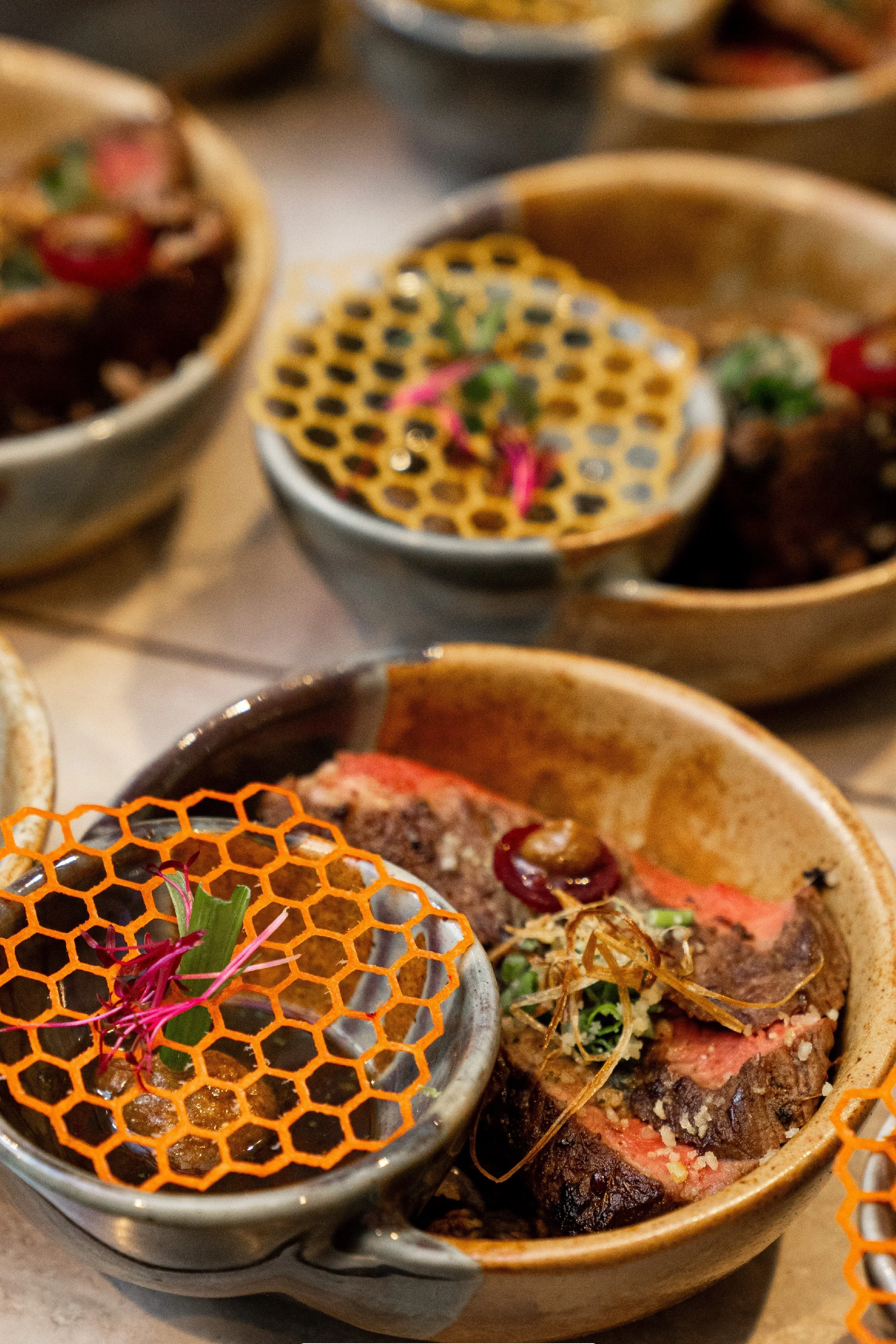
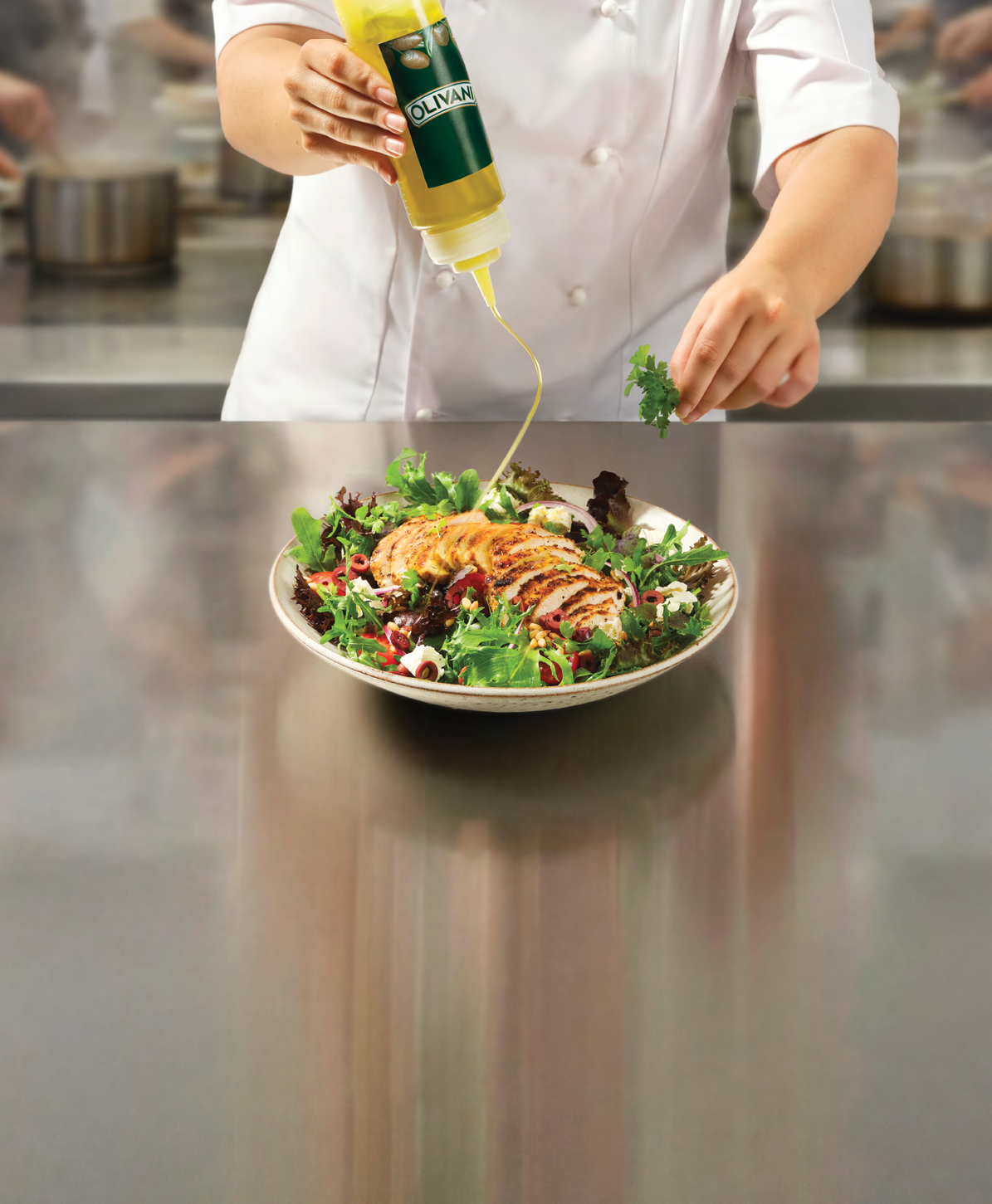
Mary-Jane points out that while today’s diners are craving global flavour, provenance and indulgence, they are also seeking accessibility, and chefs are equipped to respond with ingenuity and deliberation.
“Techniques are evolving, flavour profiles are expanding and cultural influences are colliding,” she says, with the old rule book replaced by menus that celebrate craft, creativity and connection.
The Sizzling Six key trends identified in the report are:
1. All Cuts Considered
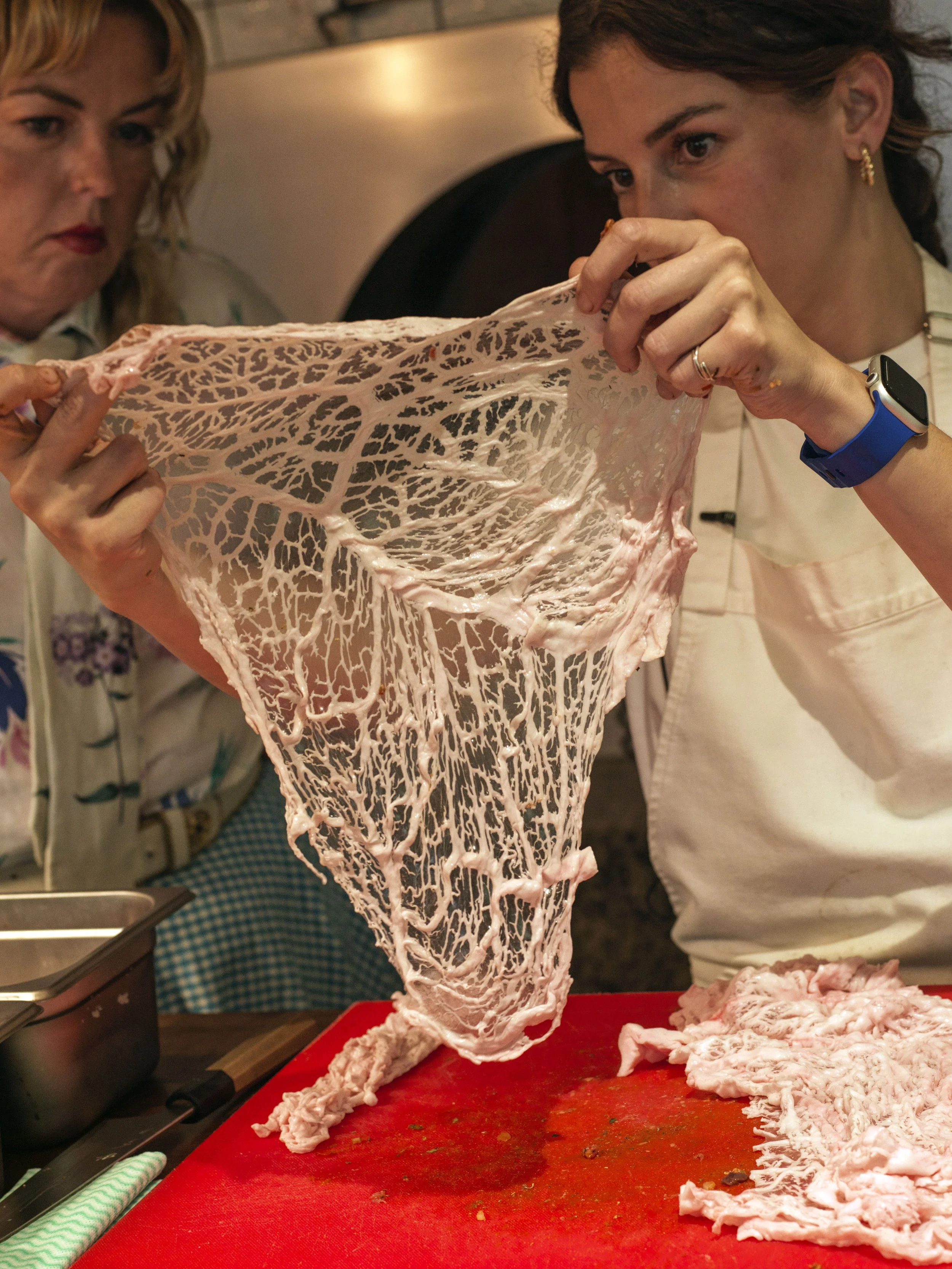
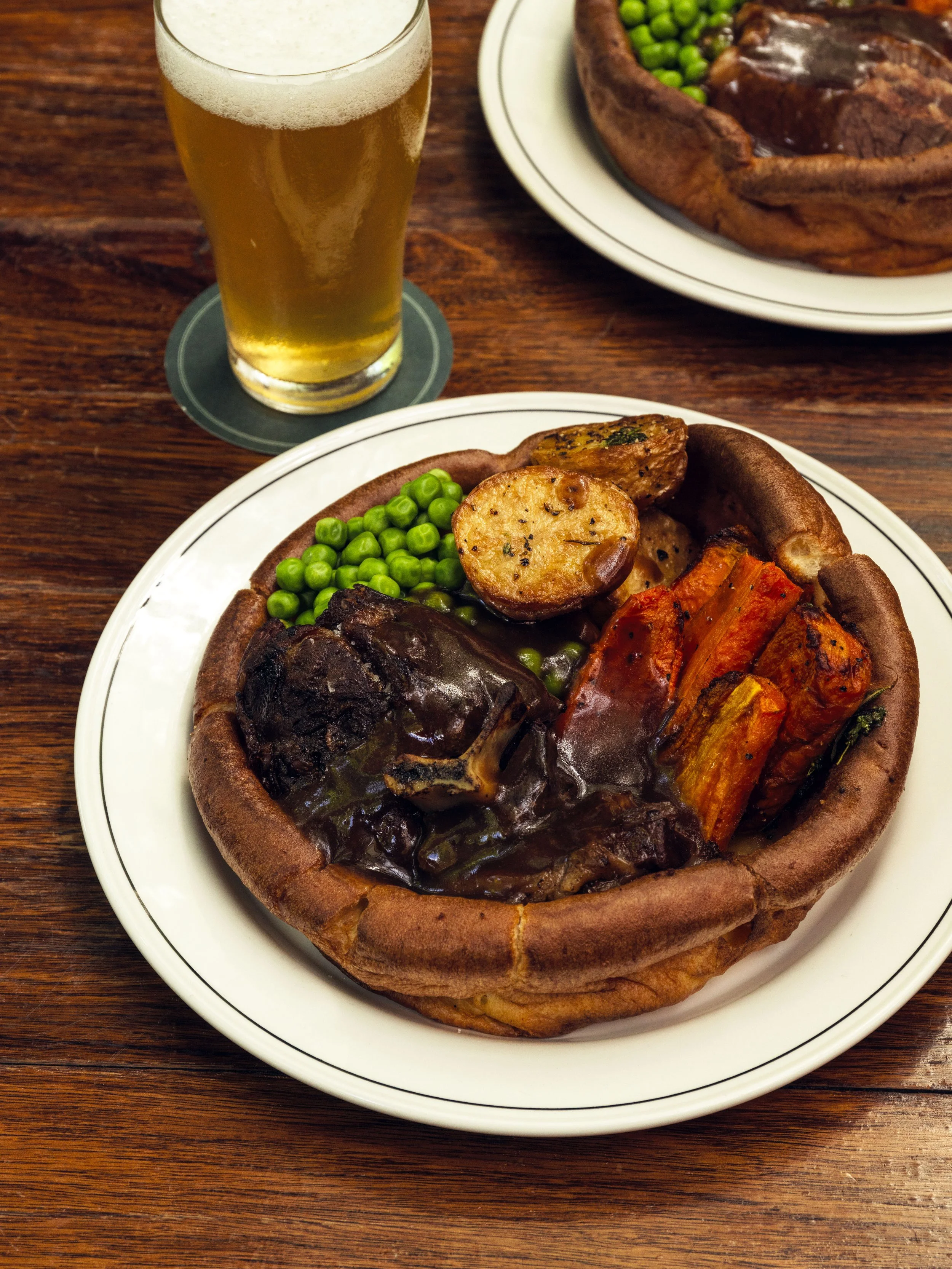
“Chefs are embracing a deliberate, creative approach to whole carcase utilisation,” Mary-Jane emphasises. “Lesser-used cuts and offal are being transformed into menu heroes that excite diners and challenge perceptions.”
She makes the point that food sustainability is no longer optional but expected, and that diners are increasingly conscious of waste and provenance as well as eager to learn about the craft that goes into their meals. “Whole animal cooking answers this call, reducing waste while unlocking new textures and tastes. Cuts once considered humble – beef shin, lamb neck, tongue, heart – are being elevated through techniques like slow braising, curing and smoking.”
This trend provides a canvas for the chef’s creativity, delivers cost efficiencies and menu differentiation for foodservice operators, and rewards diners with an experience that feels ethical, adventurous and delicious.
2. Remixed Roots
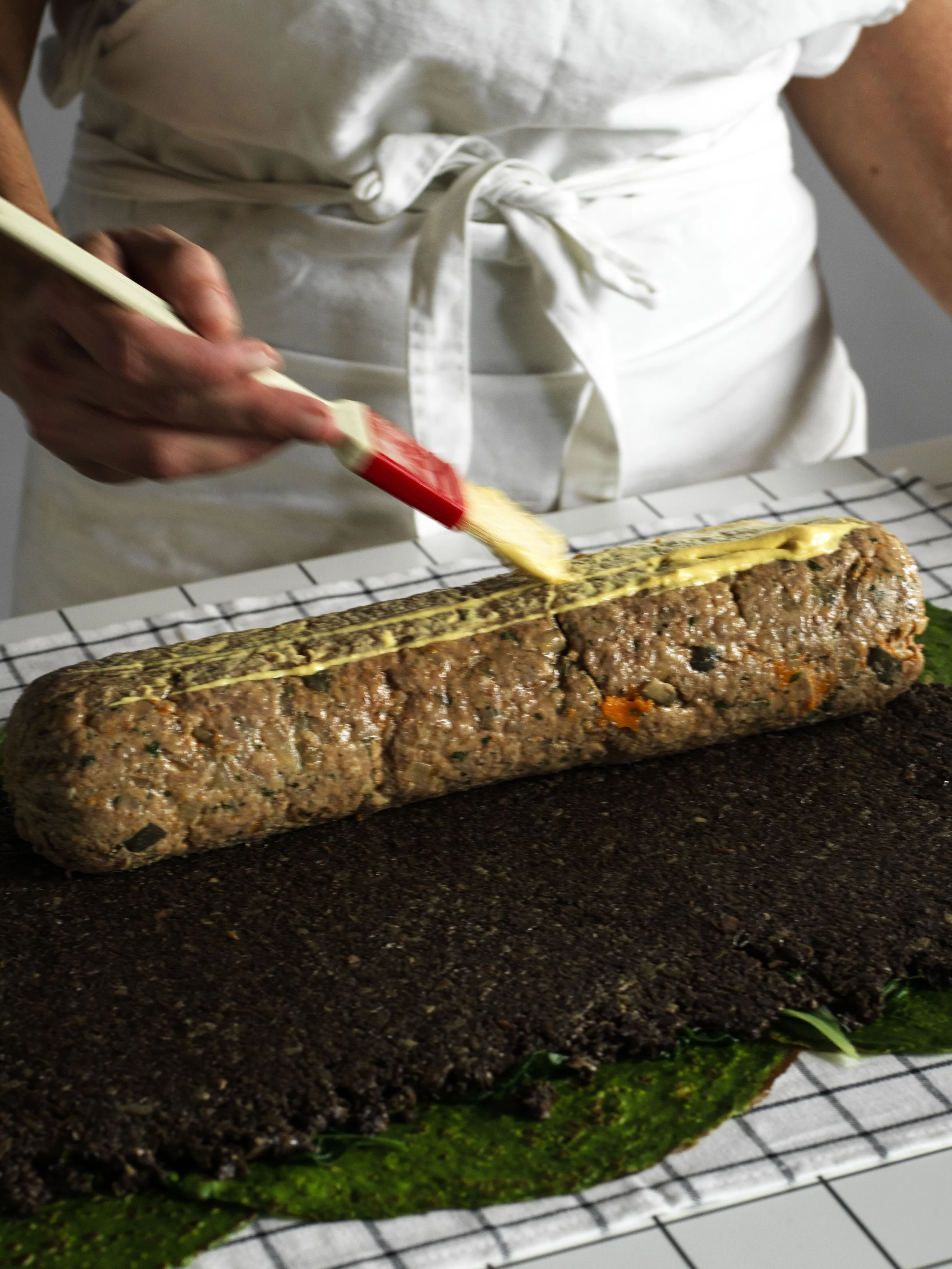
“This trend is about chefs reinterpreting family recipes through modern technique, local produce and global inspiration,” Mary-Jane says. “Think Korean bulgogi made with Australian Wagyu and native pepperberry, or lamb birria tacos infused with bush tomato salsa. These dishes honour tradition while embracing innovation, creating flavours that feel grounded yet adventurous.”
For diners, the trend offers comforting flavours reframed in unexpected ways. For chefs, it’s a creative playground that allows personal storytelling and cultural pride to shine – drawing on their cultural lineage and lived experience to create dishes that feel both nostalgic and new, as they use Australian beef and lamb as canvases for global flavour mashups
3. The Main Event
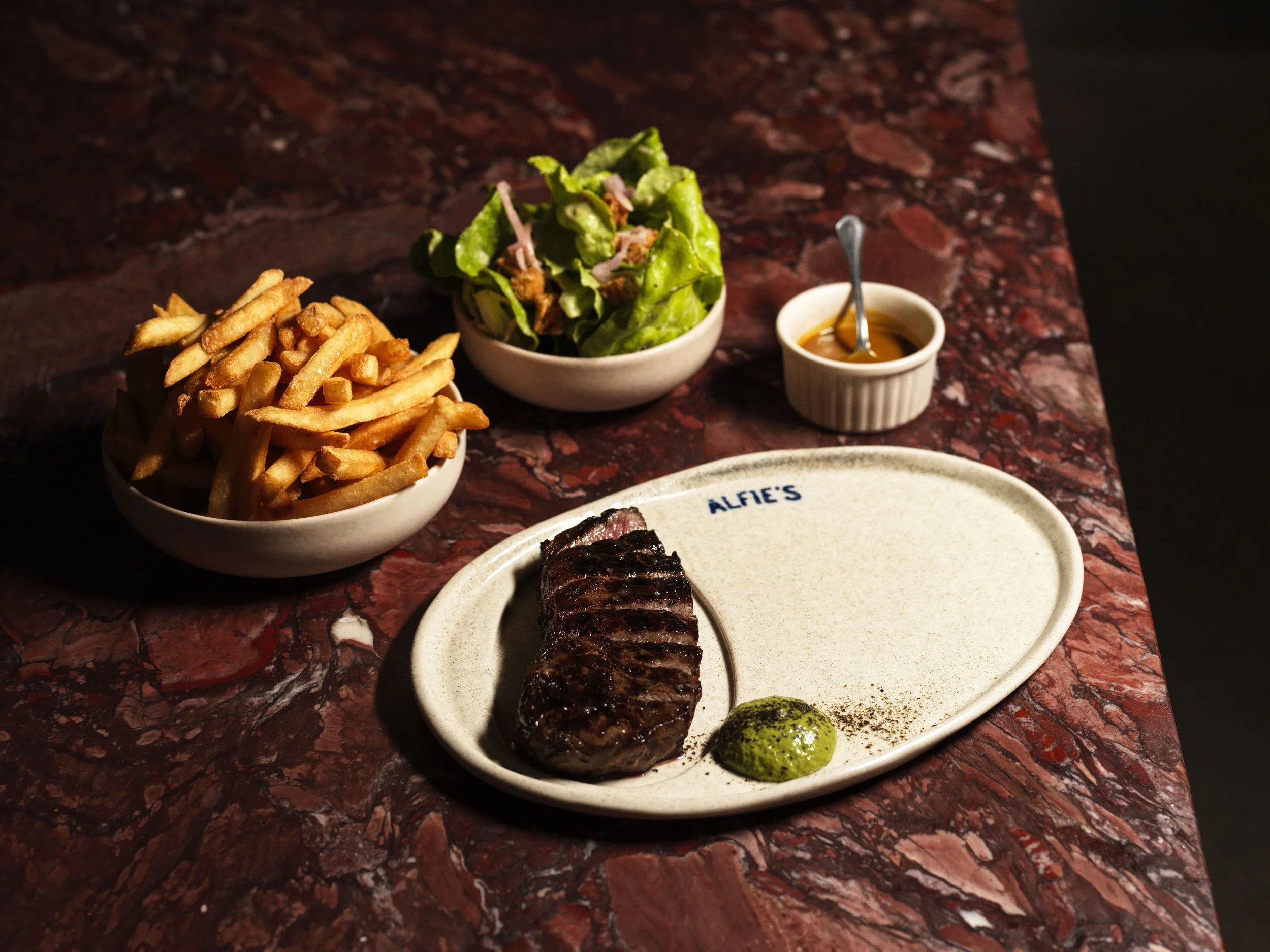
This trend exemplifies when a dish becomes a destination – such as in single focus restaurants and signature dishes.
“A growing wave of restaurants are narrowing their focus to one hero dish or format executed with precision, elevated through branding and celebrated for its consistency,” Mary-Jane points out.
“These venues thrive by stripping back complexity and doubling down on craft. In this approach, every detail matters – sourcing, technique, plating and storytelling – because when the menu is minimal, the execution must be flawless.”
She says this trend is about elevating the familiar into something iconic – a dish that becomes a destination. “Beyond fine dining, single focus formats are thriving in premium casual and QSR spaces: think Wagyu burger specialists, lamb skewer bars or steak sandwich concepts that turn a classic into a cult favourite.”
4. Cured and Crafted
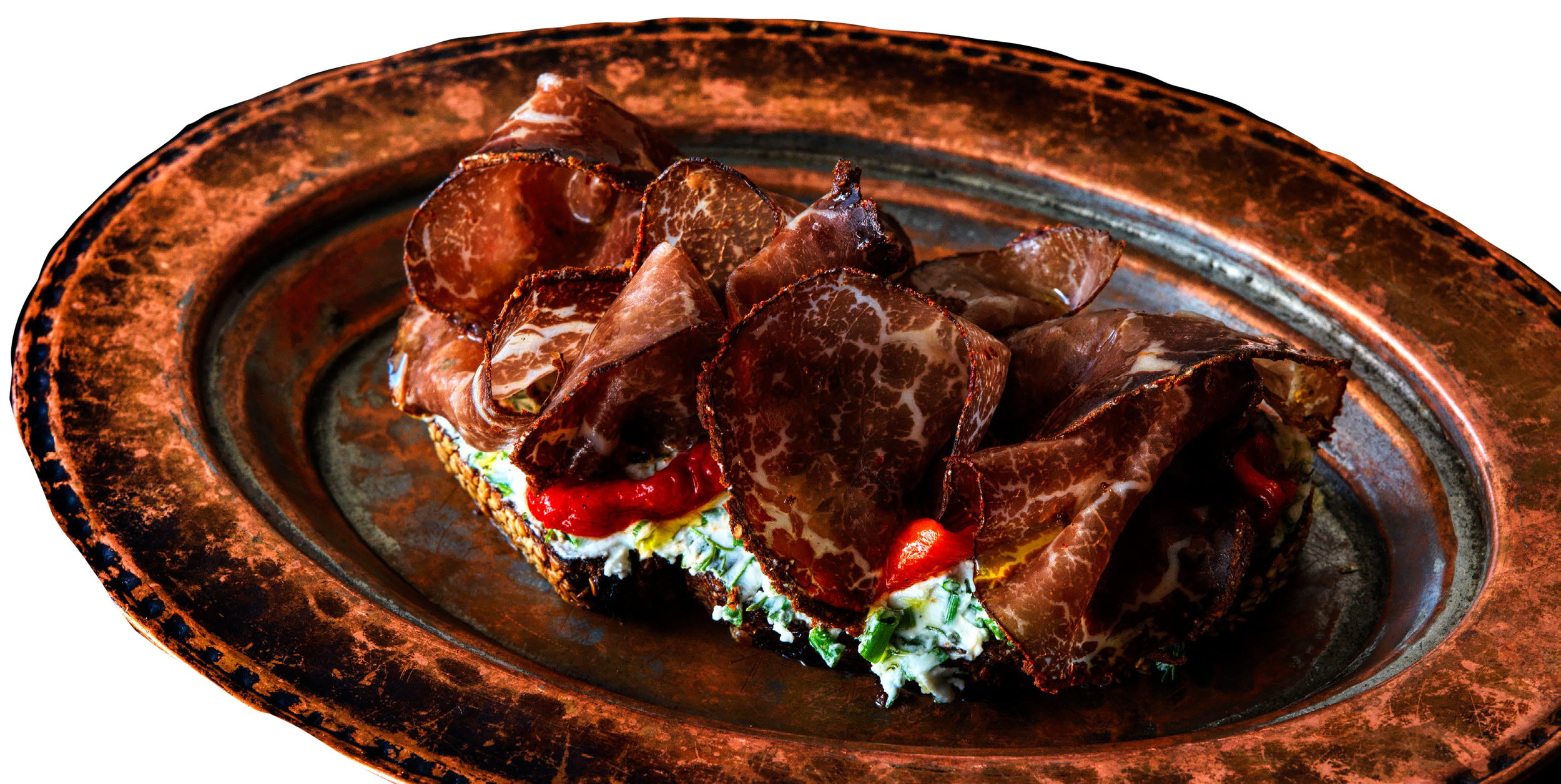
In today’s fast-paced dining world, the slow craft of curing and preservation is reclaiming its place as a marker of quality and care. This trend celebrates time-honoured techniques – salting, smoking, fermenting and dry-ageing – as symbols of patience, skill and provenance.
Beyond the plate, curing and ageing align with diners’ growing appetite for authenticity and storytelling. Menus that highlight origin, ageing time and artisanal technique create a sense of connection and premium value.
For foodservice operators, these products offer versatility – starring on grazing boards, bar menus and retail shelves as shelf-stable, high-margin items. In addition to this, non-pork charcuterie products offer inclusivity for a growing number of diners who do not consume pork.
5. Living Luxe
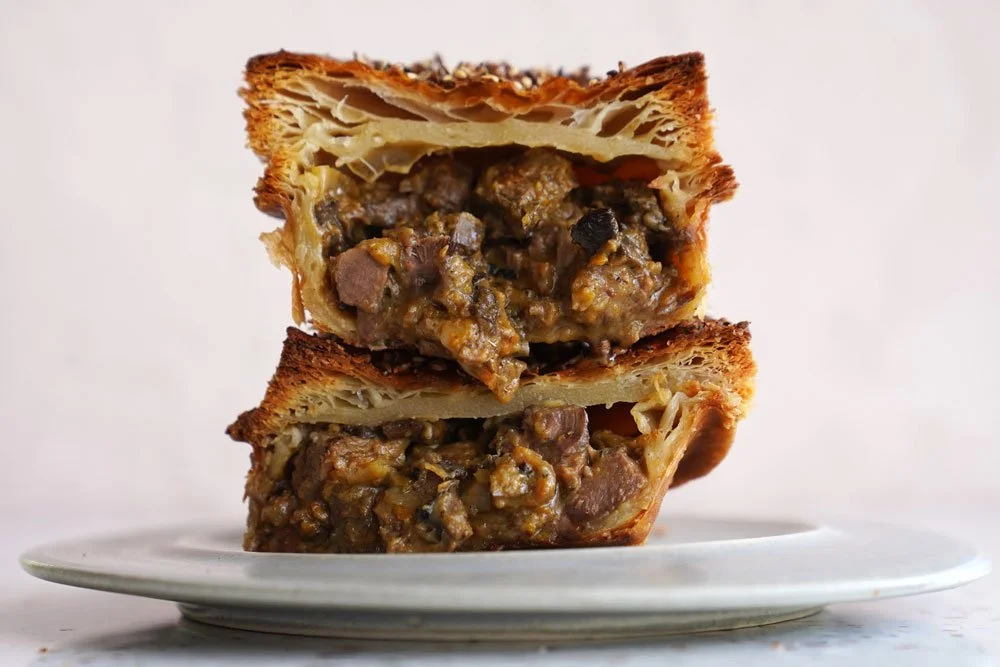
Luxury is evolving. No longer defined by extravagance or exclusivity, it’s now about attainable indulgence, craftsmanship and the art of elevating everyday moments. Diners are seeking experiences that feel special without the formality of price tag of fine dining. They want quality, provenance and a sense of occasion – delivered in ways that feel accessible and rewarding.
For chefs and foodservice operators, Living Luxe is about balancing aspiration with accessibility. It’s an opportunity to showcase craft, celebrate provenance and create dishes that feel indulgent yet approachable. Think high-touch details, thoughtful sourcing and dishes that showcase skill and care: this trend opens the door to premium cuts and techniques that transform a simple meal into something memorable.
6. Stacks of Snacks
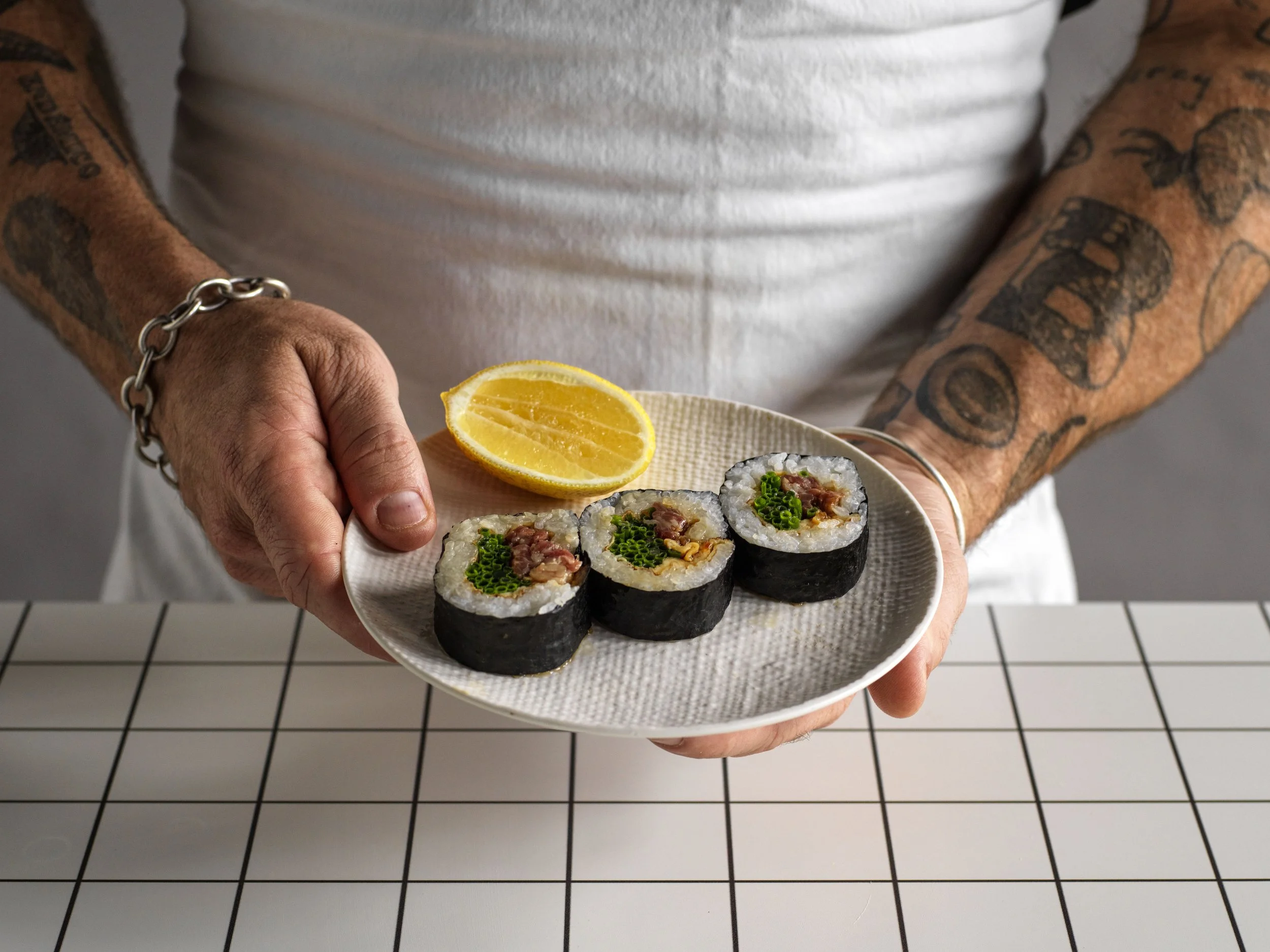
Menus are into leaning into grazing – snack-sized portions, share plates and bar bites designed for flexible, social dining.
This trend reflects how people want to eat now: less formality, more freedom and flavours that pack a punch in every bite.
Snackable formats are booming across foodservice. Think sliders, skewers, croquettes, empanadas, mini pies and handheld bites that invite interaction and conversation.
For chefs, this trend is a chance to experiment with cuts, textures and global influences in bite-sized form. For foodservice operators, it delivers versatility: snacks can drive bar sales, fit into tasting menus or become signature items for social dining concepts. And for diners, it’s all about choice, variety and the joy of grazing.
“As highlighted in Rare Medium’s Red Meat Trends report, the Sizzling Six are not intended to be definitive, nor are they exclusive,” Mary-Jane points out. “You can think of them more as guiding principles of modern Australian cooking, and reflections of our diverse dining landscape.”
The FREE Red Meat Trends report includes detailed examples on how each is showing up in menus throughout the foodservice sector, and provides a range of inspirational and executional ideas.
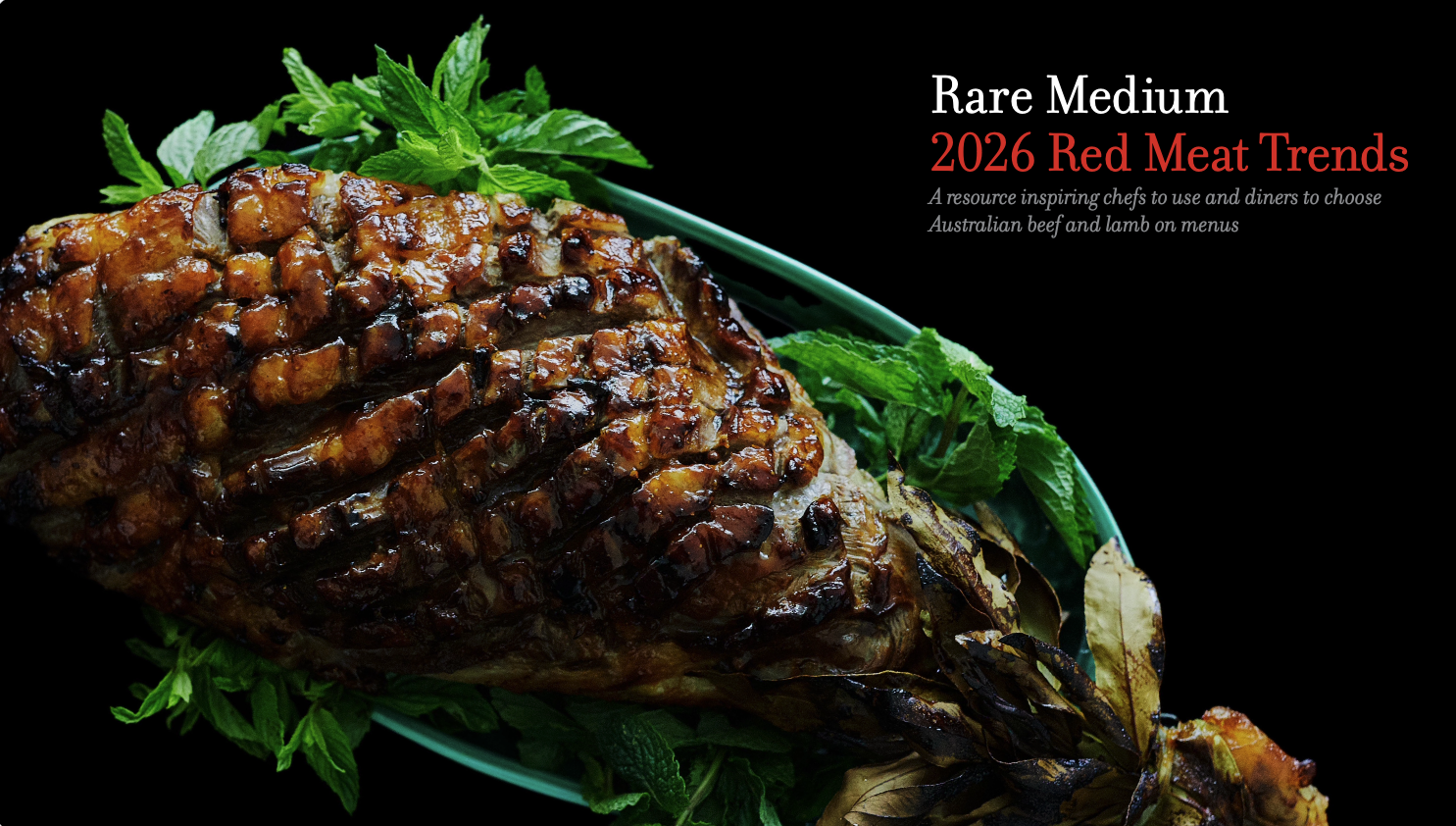
Rare Medium 2026 Red Meat Trends
It also includes details of broader macro trends which are shaping menus and influencing diners both domestically and globally, and features four bonus flavour bombs of recipes which use upcycled ingredients to unlock new levels of flavour.
Packed full of information, the report exemplifies Rare Medium’s ongoing commitment to providing Australia’s foodservice sector operators and chefs with invaluable, easily accessible resources that deliver education, inspiration and innovation in equal measure. Download your copy for free today – and keep an eye out for the 2027 report to be launched later this year.