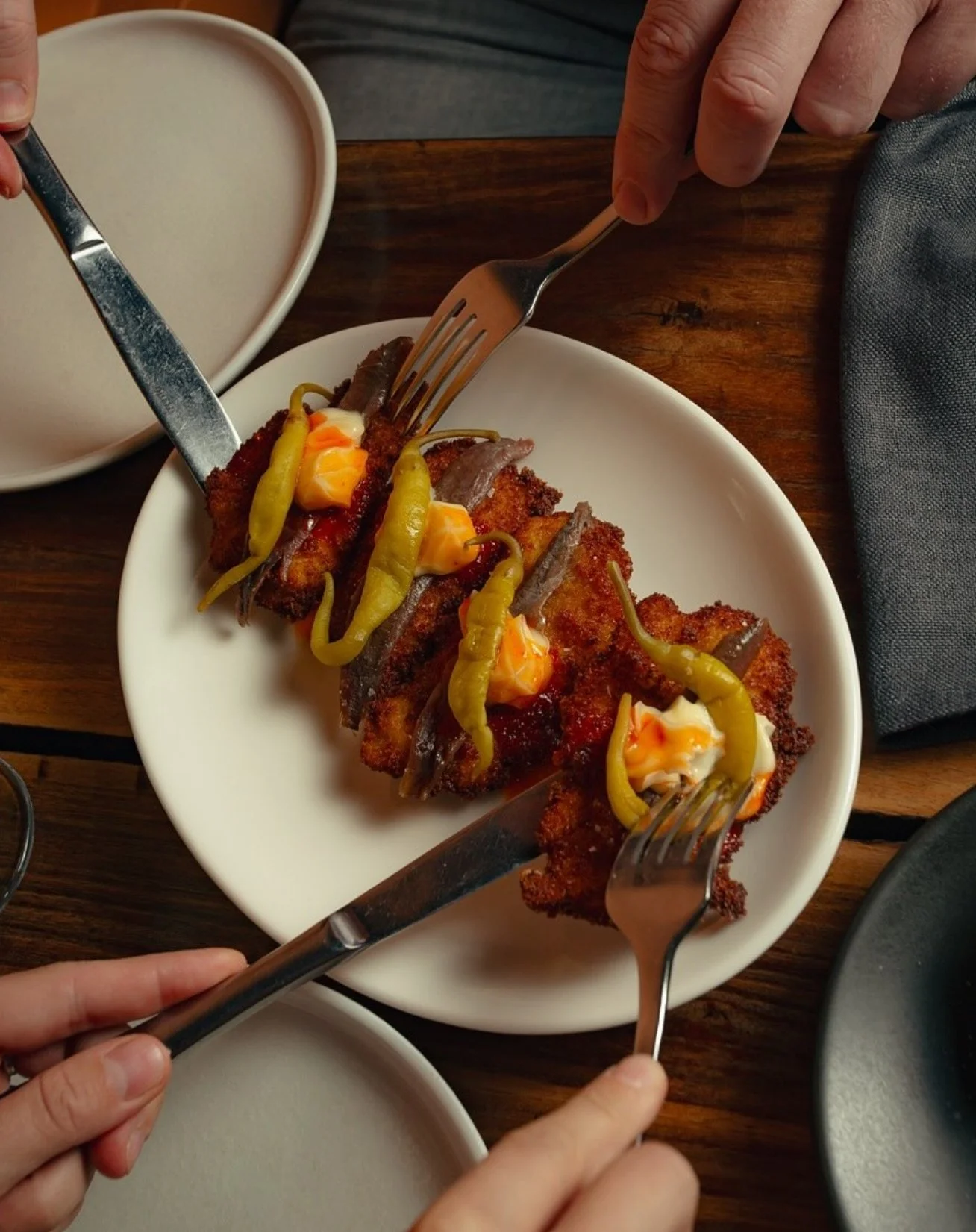
‘Like tapas on steroids’: why share plates are a terrific menu choice
/As consumer dining habits continue to evolve, many chefs are choosing to move their menus away from set entrees and mains to share plates. Not only do these give customers the opportunity to enjoy a wider variety of flavours and textures, they can also contribute to faster service delivery from back of house and ease the pressure on smaller kitchens.
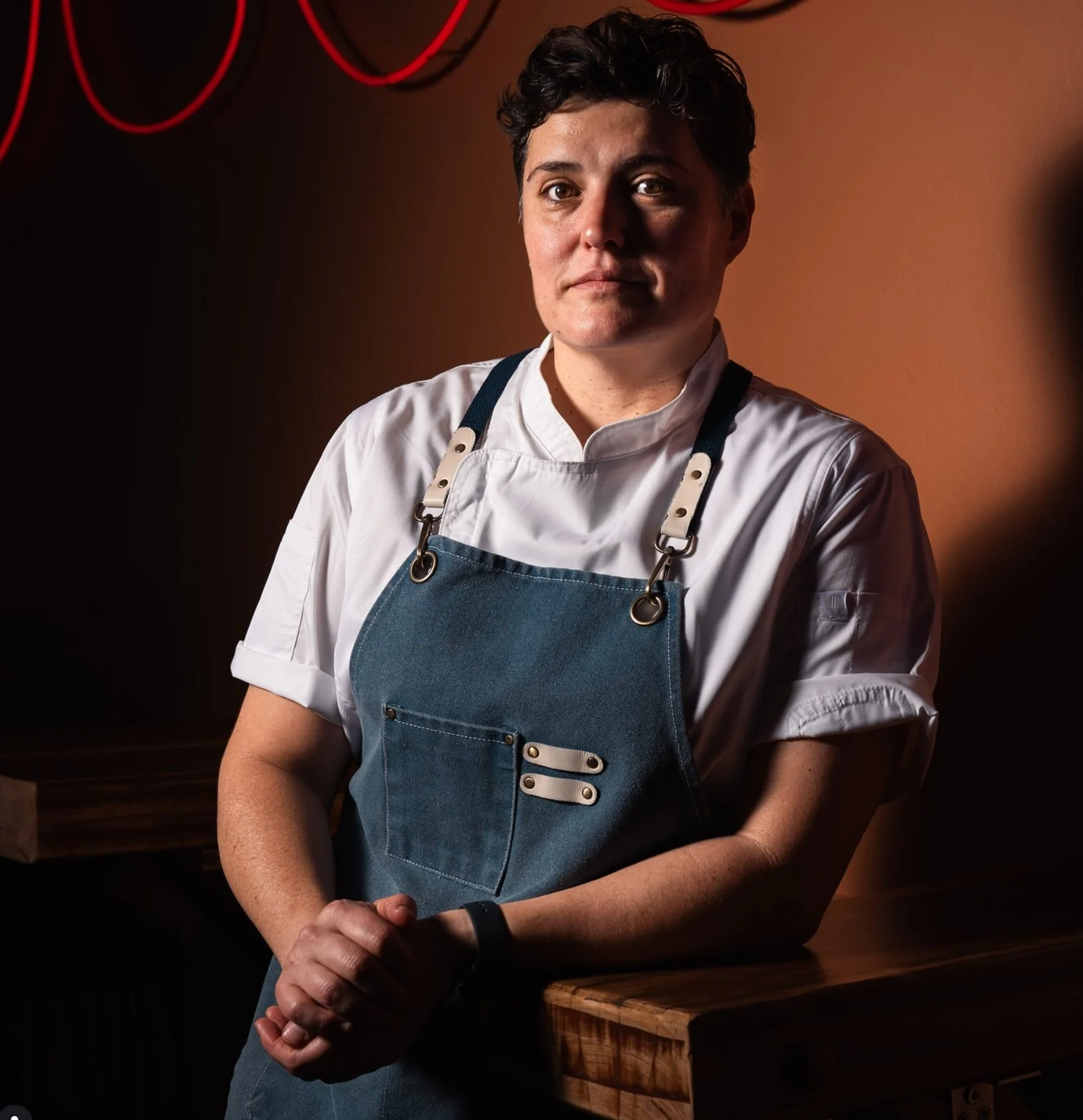
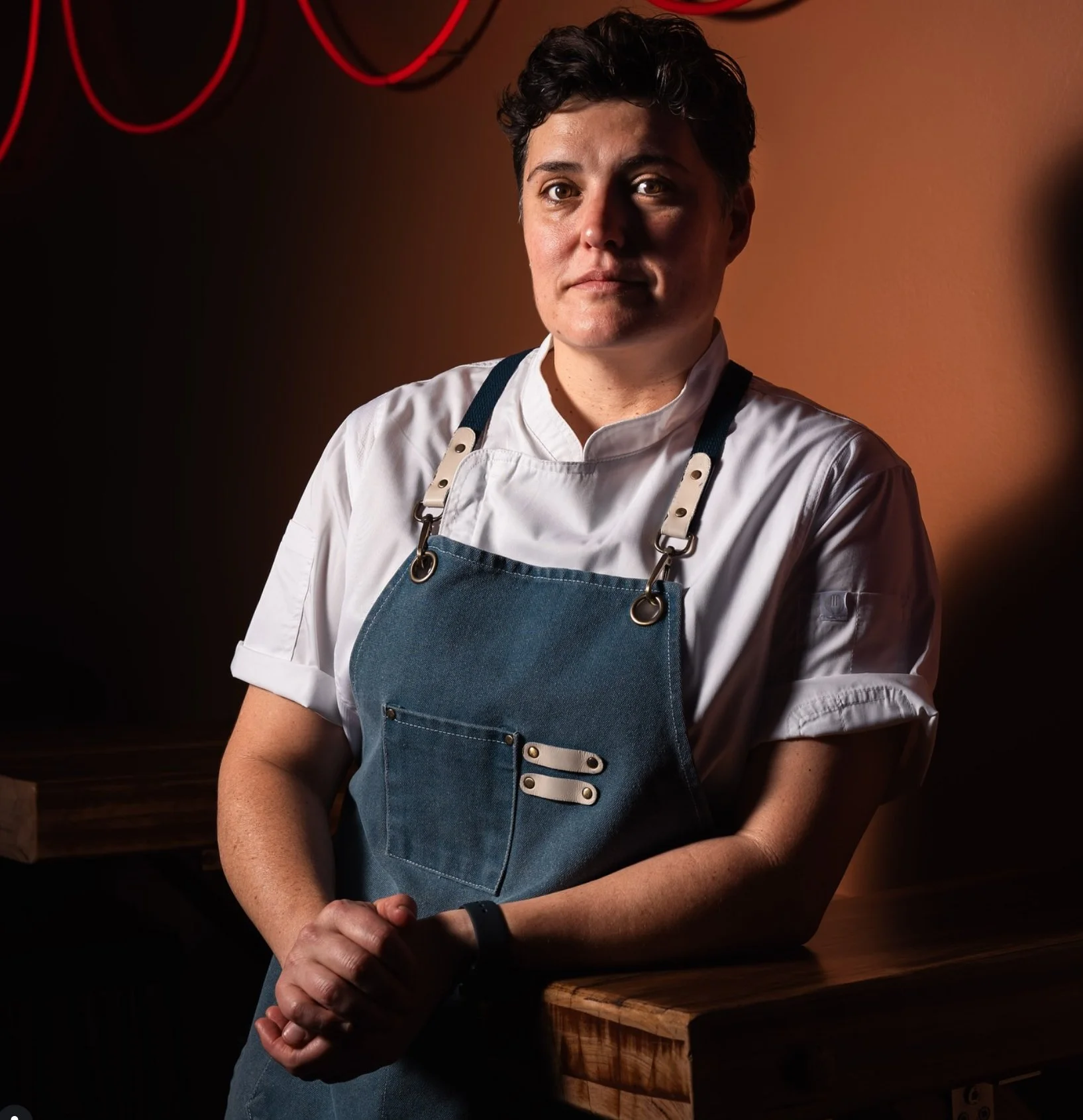
Bloodwood restaurant and bar chef/owner claire van Vuuren
At Bloodwood Restaurant and Bar in Sydney’s Newtown, chef/owner Claire van Vuuren has offered a share plate menu since 2010. “I don’t think it’s a particularly new trend,” she says, “rather it’s a lot to do with multiculturalism, in that for many Asian and Middle Eastern families this is how they dine at home. They don’t plate up individual meals, they share food around so this really is ‘family style’ dining for them. And over time, I think it’s becoming how contemporary Australian families eat.
“As a chef, share plates give you more opportunity to play around with the menu”
“As a smaller kitchen, share plates make it a lot easier for us to produce food because we’re not plating up a whole stack of main meals together and we can cook to our own timing,” she explains. “For the customer, it’s a more exciting way to eat – you don’t have to decide on an entrée, main or dessert, instead you’re getting a much broader range of flavours than if you ordered set dishes. And as a chef, share plates give you more opportunity to play around with the menu.”
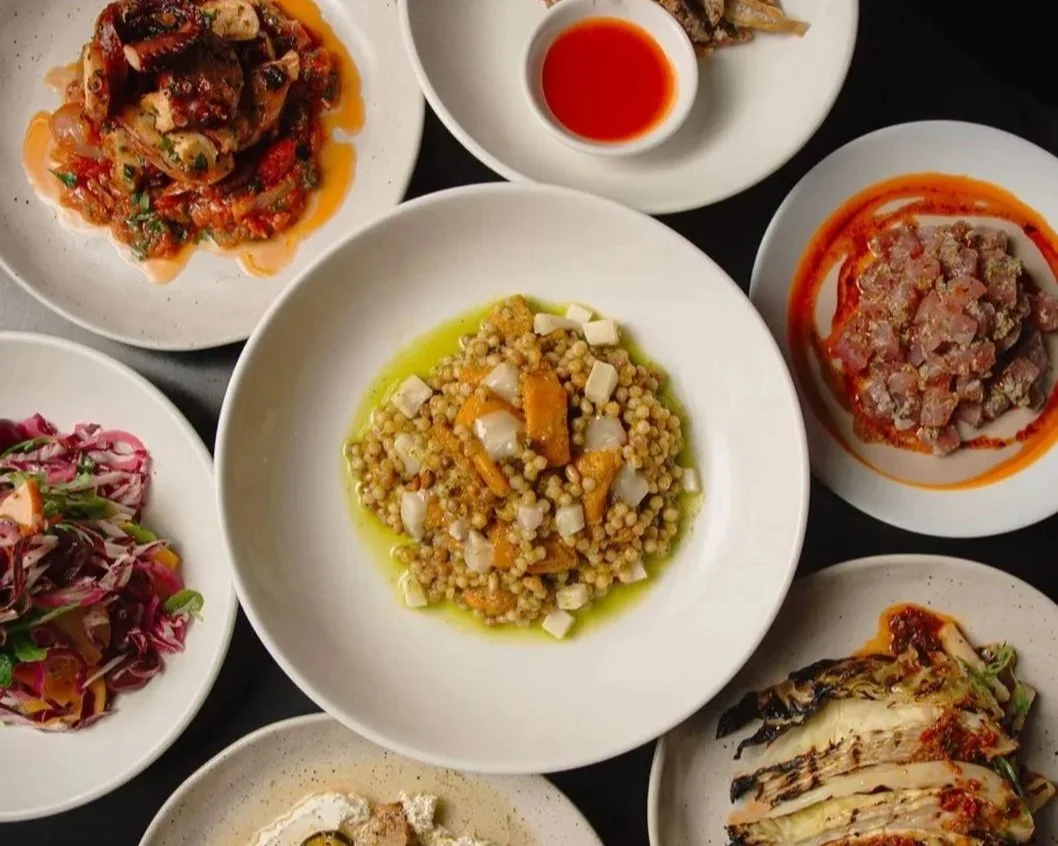
Seasonal Banquet, bloodwood
Start with smaller plates, then build
Claire says that to make a success of serving this style, you need to ensure your wait staff are well-versed in all the menu items as customers rely on them for guidance in choosing what to order so as to ensure a well-rounded dining experience.
“It’s a good idea to start with smaller plates and then build – move from single items into entrée size dishes and beyond. You have to break it down for the customers otherwise they get a little confused, but I think it’s a more interesting way to produce a menu. For me as a chef, the fun is in the smaller sections anyway – and you can get your staff engaged by encouraging them to try out specials, so it gives everyone a lot more freedom.
“For a table of two the wait staff will typically recommend five dishes”
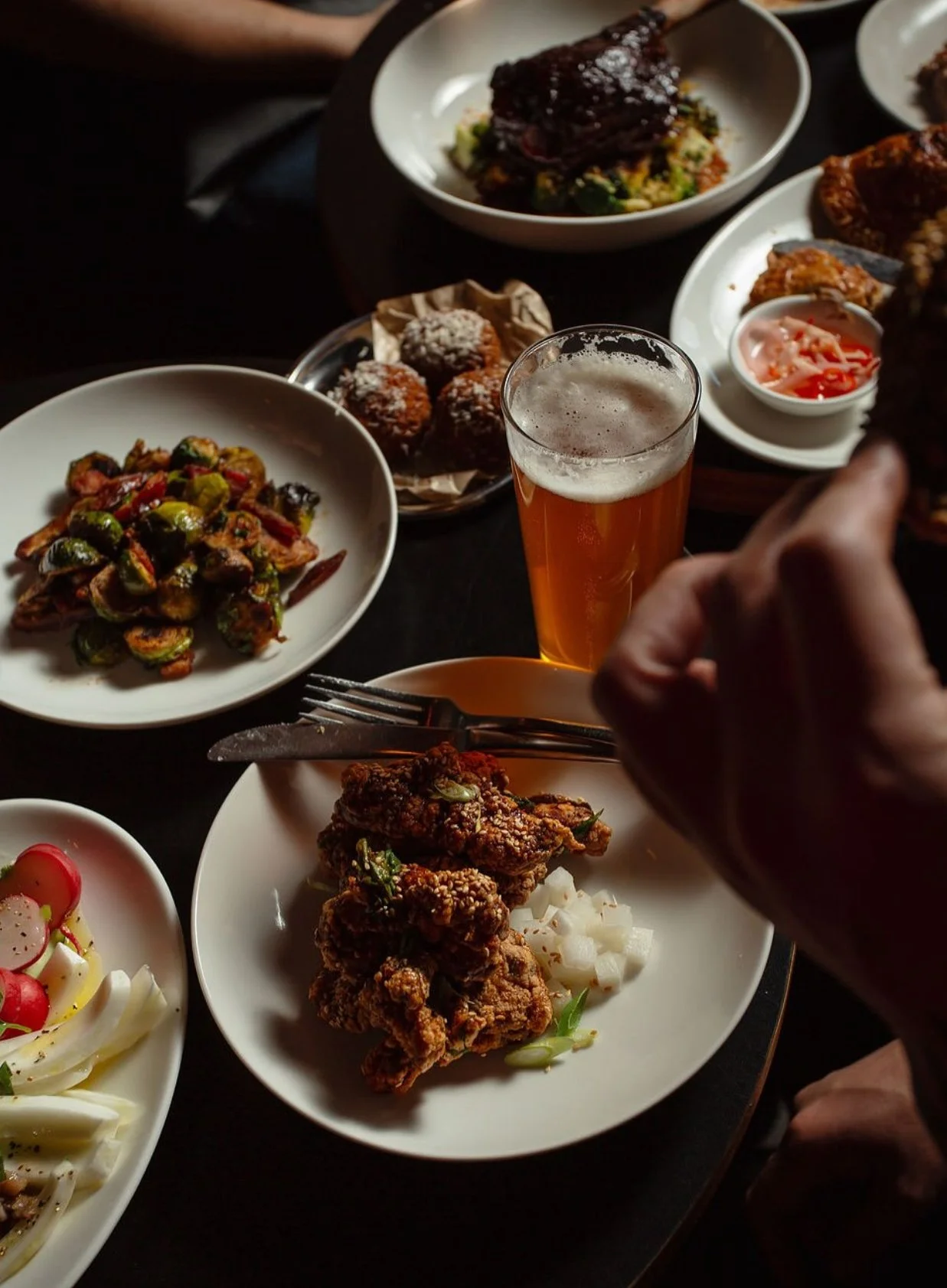
“At Bloodwood we lay out our menu so it flows in a certain order. For a table of two the wait staff will typically recommend five dishes: a couple of snacks, two from the middle section and one from the larger. It’s also important that the wait staff put the menu into the kitchen in the right order so the dishes come out to the customer in the right order.
“Then it’s down to the kitchen and the person calling the pass – you have to control the pacing of it so the experience is right. We have a range of different table sizes and for the smaller tables we’ll bring out one dish at a time – the kitchen needs to be aware of the table size and that helps the wait staff as well because they’re not having to call away. The only instructions we’re getting in the kitchen are ‘speed up’ or ‘slow down’. Obviously we do get people who want individual meals, and we usually explain that our menu is not constructed like that and recommend they order some sides to make up the nutritional balance of the meal as well as to ensure they’re satiated at the end.
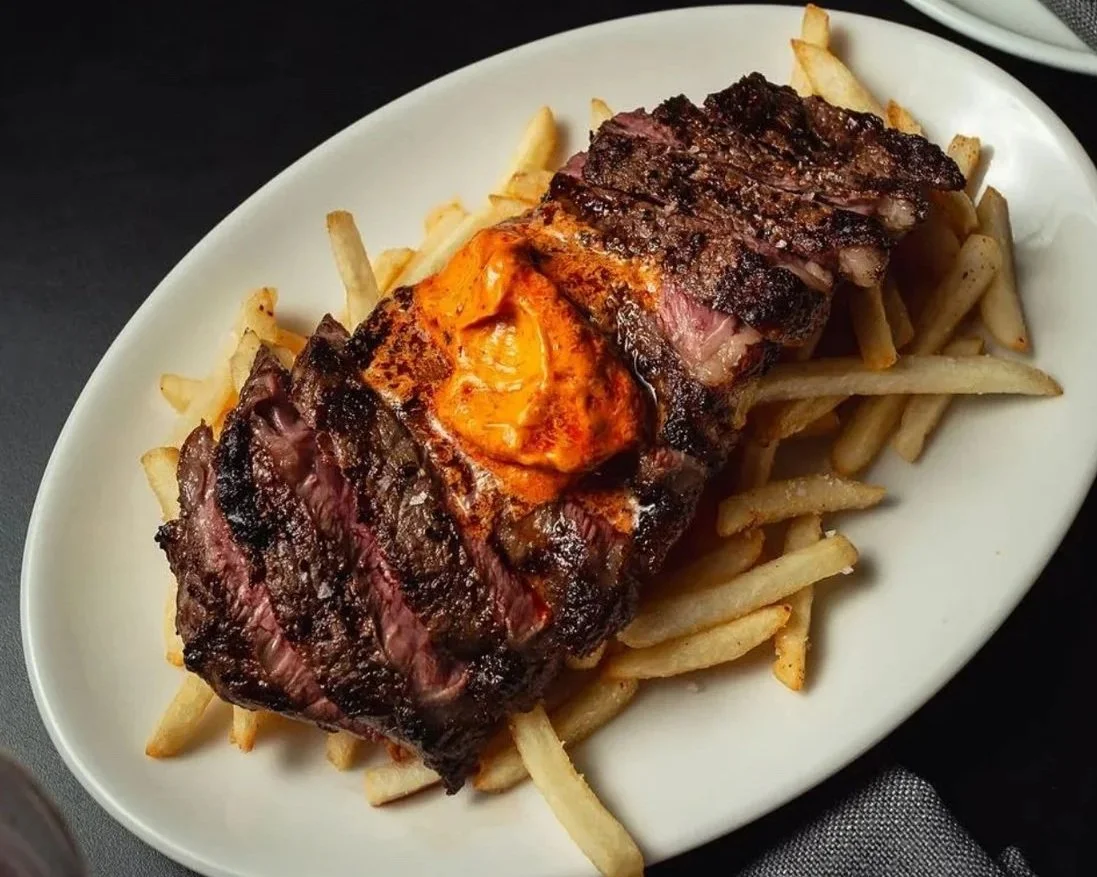
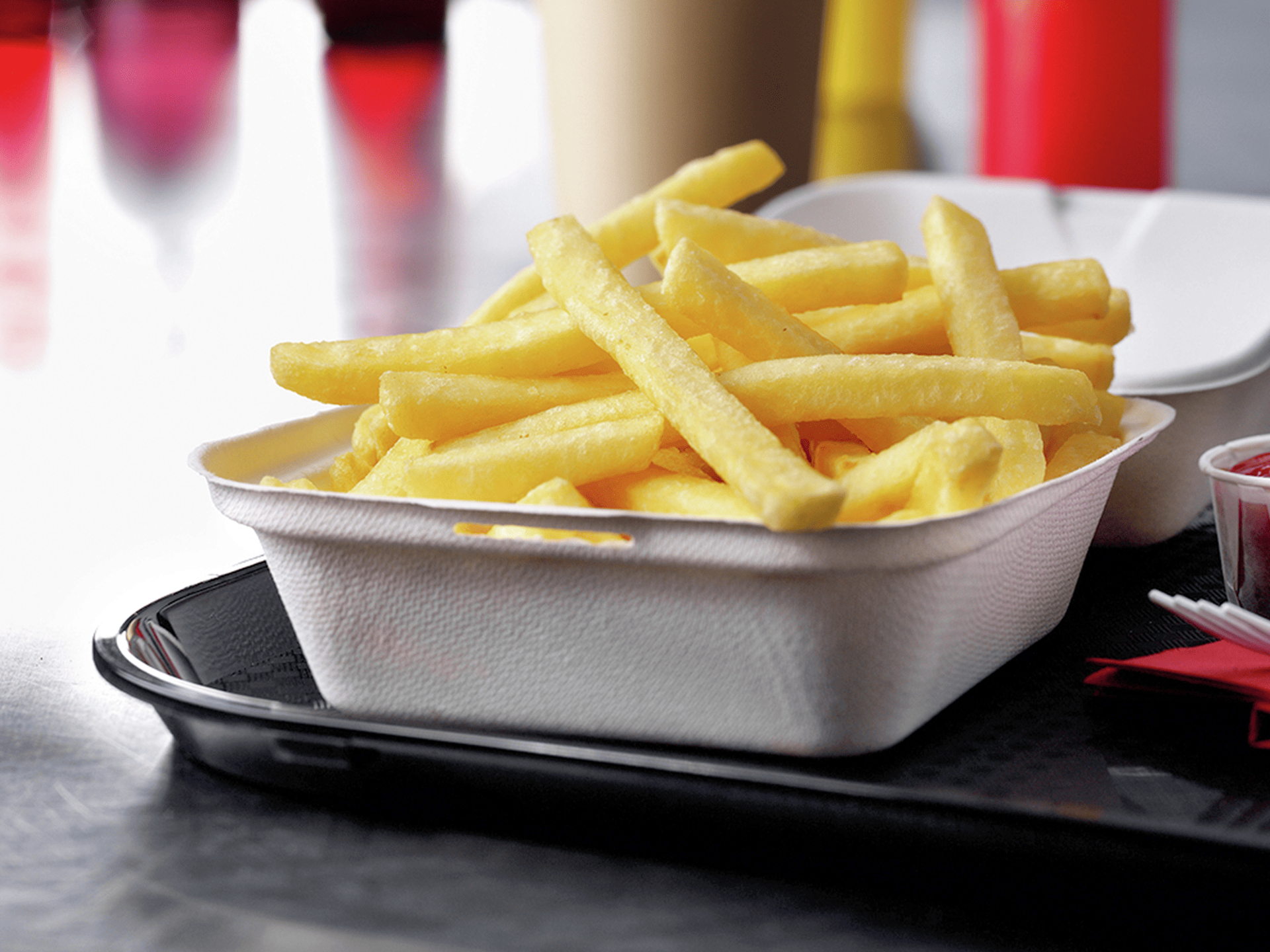
Riverina angus steak frites, bloodwood
“It all comes down to timing and the structure of how you want your diners to experience the food. It requires pacing and communication, but once you have that in place, it’s a lot easier than pushing eight mains out at once.”
Getting portion sizes right requires some thought
Claire adds that menu formulation is more complex using this approach – “you need to write it so it paces out your kitchen team, so x amount of food from the larder, x amount from the grill and so on. Once you’ve done it a few times you get into a flow that works for you, then it’s just a matter of slotting in new dishes. You can’t change it too much otherwise the whole team falls over, and that can be challenging during the shoulder season when everyone’s wanting hot mains – you need to think about what they’re ordering from the larder section so you can get a bit more balance into the kitchen team.”
“Once you’ve done it a few times you get into a flow that works for you, then it’s just a matter of slotting in new dishes”
Getting portion sizes right also requires some thought. “You don’t want your customers to get too full up, but at the same time each dish has to have value in it. Ideally you want the table to be ordering a mix of lighter dishes and heavier ones.”

“Sharing and grazing is seeing tremendous growth”
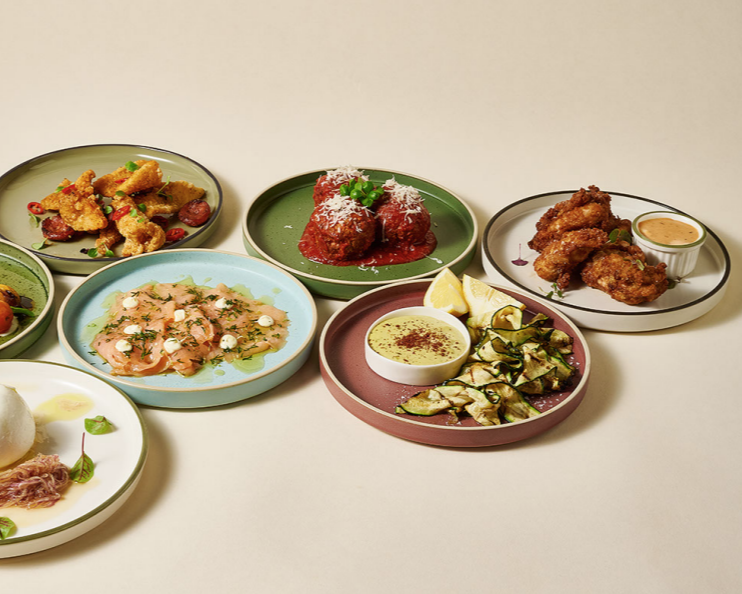
Chef Adam Moore has recently created a menu with an extensive sharing/grazing category for Kingpin Melbourne, an entertainment precinct/social dining destination within a 3500sqm venue in Collins Arcade, Collins St. “Sharing and grazing is seeing tremendous growth and it gives the kitchen great flexibility,” Adam tells us. “We’re using premium, award-winning ingredients from local producers, from 24 month beautifully cured prosciutto which we hand slice to show how fresh it is, to smoked salmon with gin lime and dill which is like a next level gravlax, topped with crème fraiche. We have the most beautiful burrata from Marrickville which we get sent down to Melbourne, paired with grilled peach which imparts a lovely acidity. We’ve also got a mushroom arancini with black truffle mayonnaise and fried curry leaves which so far is a great success.”
There are currently 10 share plates on the Kingpin Melbourne menu – “we’re trying to include something for everyone, so there’s vegan, vegetarian, gluten free and so on,” Adam says. “We have togarashi king prawns with lime aioli, but then we go to things like confit tomatoes on labneh which is selling off the charts. And we make our own wood fired bread in the pizza oven which is great to serve with many of these plates. The focus is on offering an elevated dining experience and lifting Kingpin’s food and beverage credentials.
“When you walk into restaurants now you’re seeing mains being shared by people more often than not”
“I think there are lots of reasons that the time is right for share plates – firstly there’s the economic situation, secondly people appreciate the social aspect of shared dining. And another trend driving this is that an increasing number of people are having waist reduction surgery and once that’s done they can’t eat as much but they still are looking for that flavour hit and variety of choices.
“Sharing and grazing also gives you the license to use really premium ingredients and gives customers the chance to taste them without having to spend hundreds of dollars. When you walk into restaurants now you’re seeing mains being shared by people more often than not – it’s kind of like tapas on steroids!”
More freedom to be creative
Chef Peter Wright says that for many commercial venues, sharing menus provide far greater flexibility than the a la carte approach. “You can run specials more easily, you can utilise seasonal produce more easily – you can change your menus faster. The chefs may need to be a little more dynamic and flexible, but it also gives them more scope when things aren’t so locked in for a whole season. You can change daily, weekly, monthly, seasonally, you can theme it – it just gives you more freedom to be creative.
“Obviously your cost of goods depends on the quality of what you’re ordering, but generally share plates are your cultural classics and you can engineer the pricing efficiently. In Greek and Mediterranean style, for example, there’s lots of flatbreads – in Indian there’s roti and naan, and in Asian there’s rice and noodles, all of which are filling as well as tasty. So you can enhance the menu with other choices as well as filling up your customers with economic dishes, and overall you’ll get a good cost of goods.”
Peter adds that share plate dining is about more than just the food – “it’s the relaxed atmosphere, the fact that you’re having a good time, you can share the occasion on social platforms so in that respect the overall experience ticks all the boxes for customers.
“Increasingly we are seeing a move to smaller plates and more of them, across restaurants in general. Even at Gimlet, which is one of the best restaurants in Melbourne right now, they do a duck main course but it’s for two, not an individual portion – so there is a move away from individual serves and more toward a theatre of dining experience.
Looking for shareplate inspiration?
Download Bega Foodservice Flavour Passport: The Social Seat
“This is beneficial for back of house too in that you can spread your ingredients across multiple dishes. Fermented flavours are big at the moment and it’s easy to intertwine them as part of a larger or smaller share plate – we’re always trying to push out less ingredients in the kitchen, and you can use secondary cuts, seasonal produce, preservation techniques and more to build a great share plate menu. It does improve workflow and speeds up turnover when you’re no longer having to individually plate up, say, eight entrees and eight mains, which comes to 24 plates of food. That could be every item on the menu just for one table – so going to share plates can really reduce pressure on the plate presentation side.”
Related articles