You start with a perfect score
/There is a detail in the ACF Culinary Challenge rules that tells you almost everything about what a competition is for. Every competitor walks in with a perfect score: one hundred points already yours.
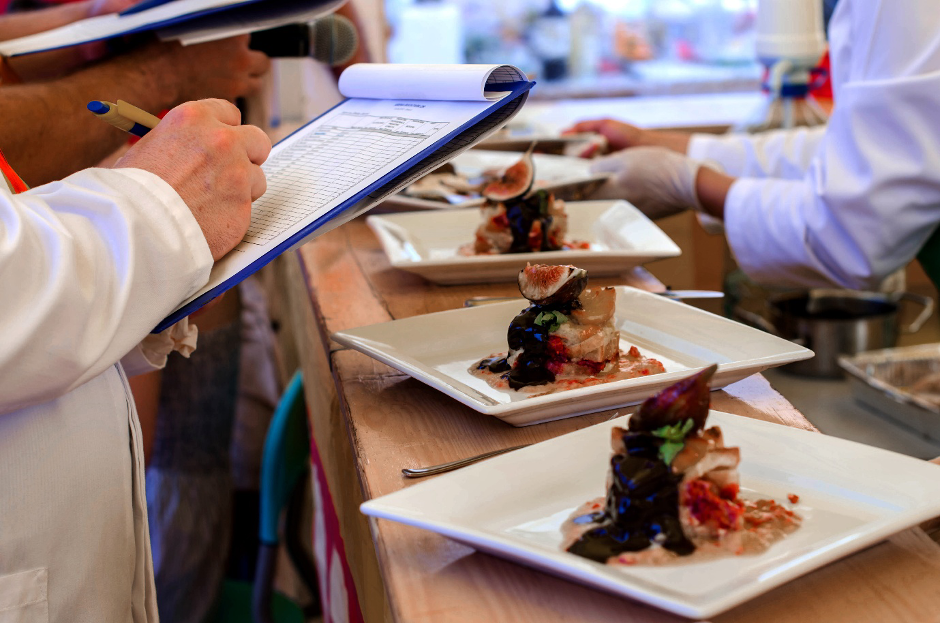
From there, the only direction is down. Points come off for a cluttered bench, for a protein held at the wrong temperature, for a minute lost on service, for a sauce that doesn’t quite land. Nobody earns their way to the top of that floor. They defend it, decision by decision, under a clock and a panel of accredited judges who’ve cooked longer than most competitors have been alive.
That’s different from the way we usually talk about competition. We reach for words like talent and flair, as though the medal goes to the most dazzling plate. Look at how the marks are actually weighted and the picture changes. Half the score – fifty points out of a hundred – is simply whether the food tastes good. Presentation is worth ten. The rest sits with the fundamentals: mise en place, hygiene, clean technique, control of waste. The competition rewards the chef who has mastered the unglamorous things and can hold them steady when everyone is watching. That’s not talent. It’s discipline.
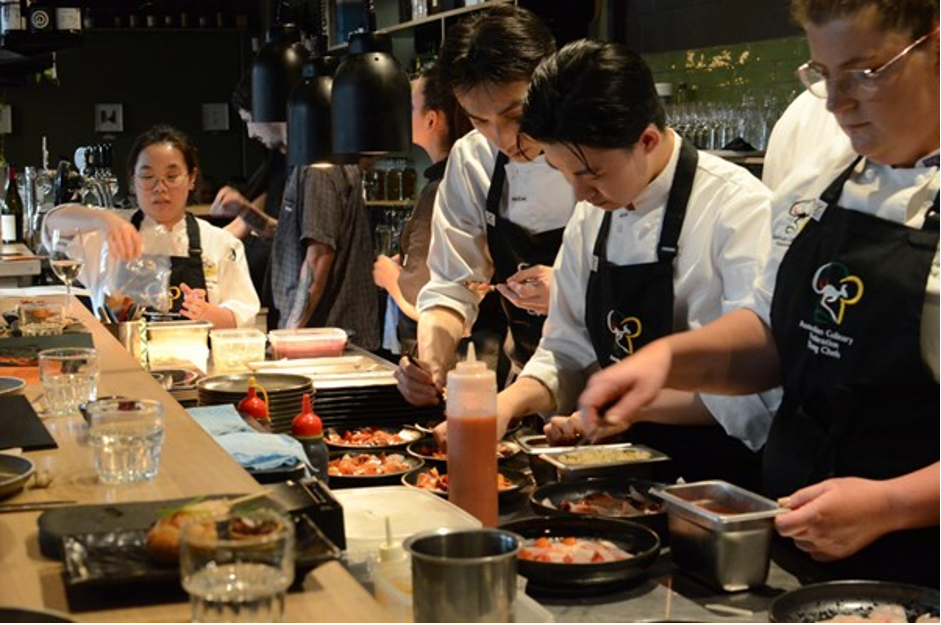
And it’s not only for apprentices, though we often frame it that way. The same arena runs open classes for qualified chefs, a Most Outstanding Chef title that demands three live classes and a gold medal to claim, team challenges, the Golden Chef's Hat final. A first year apprentice and a seasoned head chef stand on the same floor, cook to the same World Chefs standard, and are measured against the same hundred points. The apprentice is testing whether they belong. The head chef is testing whether they still have it. Both questions matter and a career rarely stops their being asked.
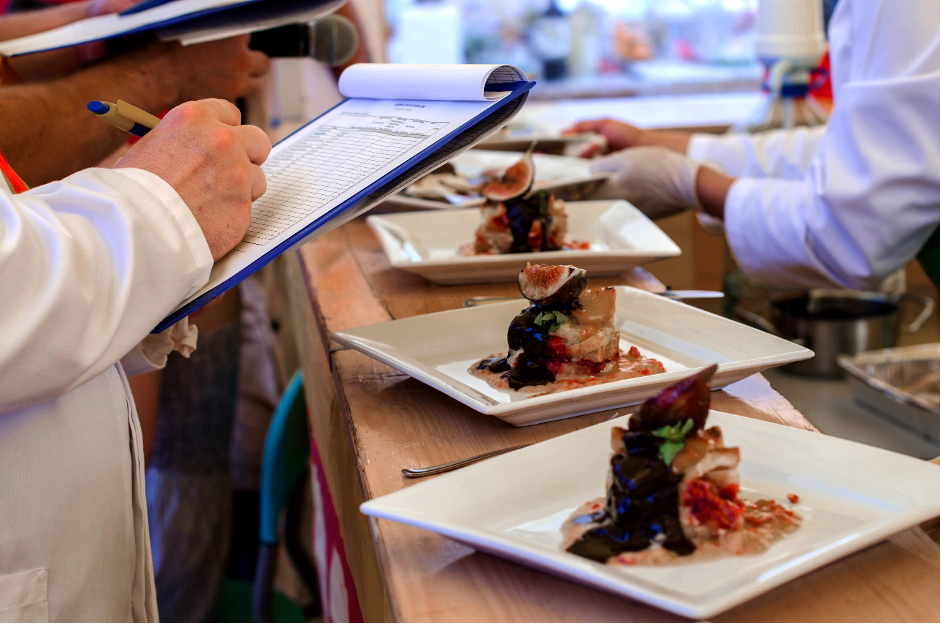
“Some walk away with a medal. Most walk away with something more useful”
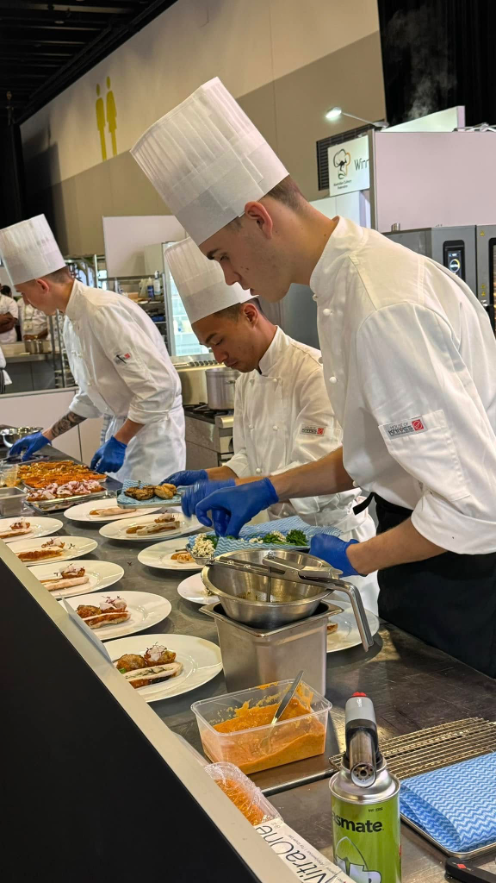
Sixty minutes to produce two covers of a main, everything done on site, no service to hide inside and no second attempt, teaches a person exactly where their skill ends and their nerve begins. Some walk away with a medal. Most walk away with something more useful: a precise, honest reading of their own standard and proof they can hold it under pressure.
So when the benches fill at the MCEC this August, it’s worth watching them for what they are. Not a showcase of the best plate in the room, but a test of who can cook to a standard and keep cooking to it when the clock and the judges and the heat are all pushing the other way.