The skills we stopped teaching
/There’s a conversation happening in kitchens across Australia right now. It’s about labour shortages and how hard it is to find good people. But here’s the question nobody seems to be asking: what if we’re short on the skills that actually matter?
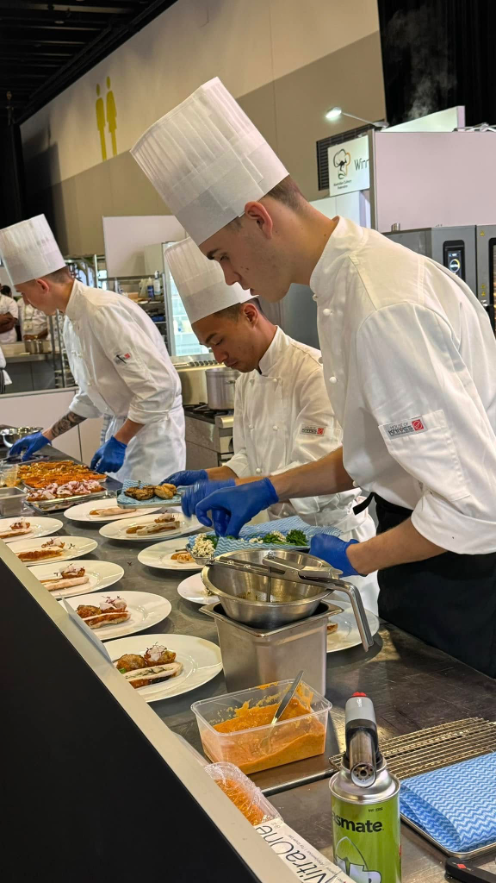
For years the industry has measured skill through speed, precision and output. Can you break down a whole animal? Can you run a section on a Friday night without struggling? Can you plate 200 covers and make every one look the same?
Those things matter. They always will. But they’re not the full picture anymore.
A skilled chef in 2026 needs to manage people, read a profit and loss statement and handle a difficult conversation with a team member at 10pm on a Saturday. They need to understand food safety legislation, allergen protocols, sustainability targets and how to build a roster that doesn’t burn everyone out, including themselves.
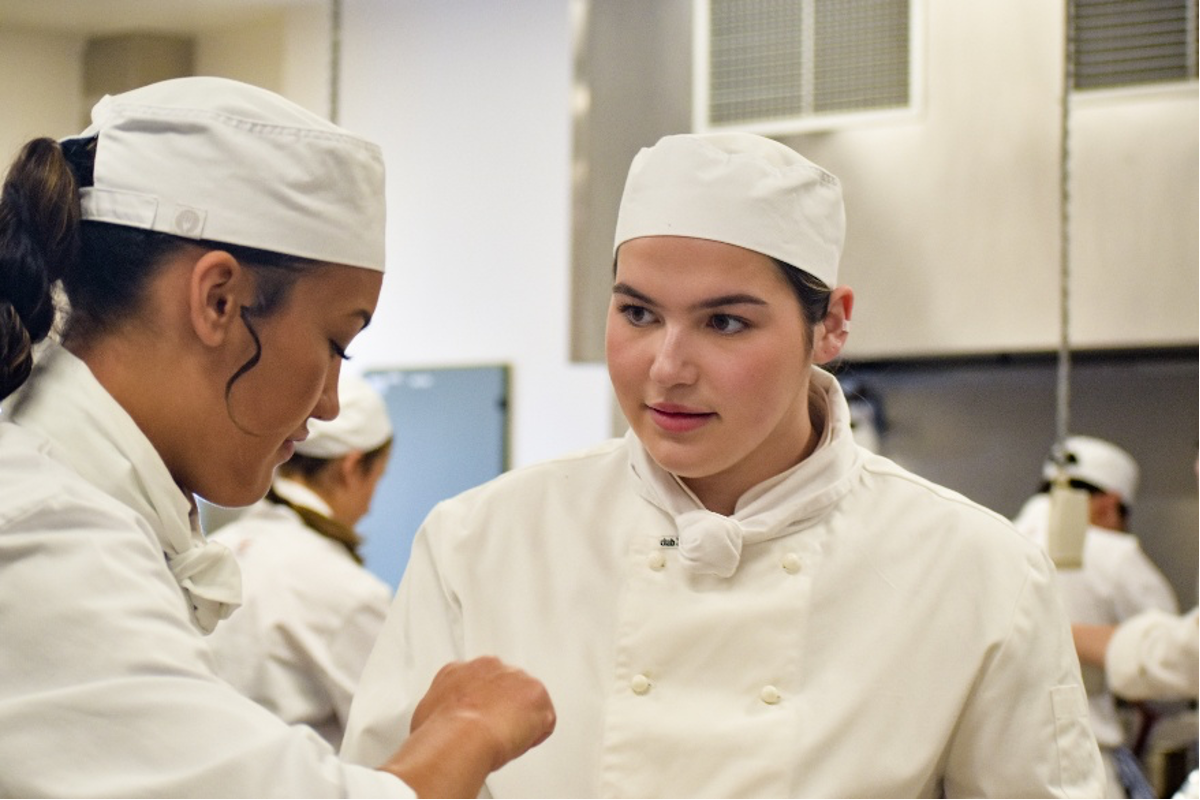
And yet most training pathways still focus almost entirely on what happens at the stove. We’ve created a system that teaches people how to cook but not how to lead; how to follow a recipe but not how to manage a budget; how to work under pressure but not how to recognise when that pressure has crossed a line.
The result is talented people leaving the industry because they were never given the tools to survive in it longterm – not because they couldn’t cook, but because no one taught them the rest.
Rethinking how we train
This isn’t about replacing technical skill: a chef who can’t cook has no business running a kitchen. But a chef who can cook and can’t communicate, can’t manage a team, can’t think commercially is a chef with a ceiling, and it’s a ceiling the industry helped build.
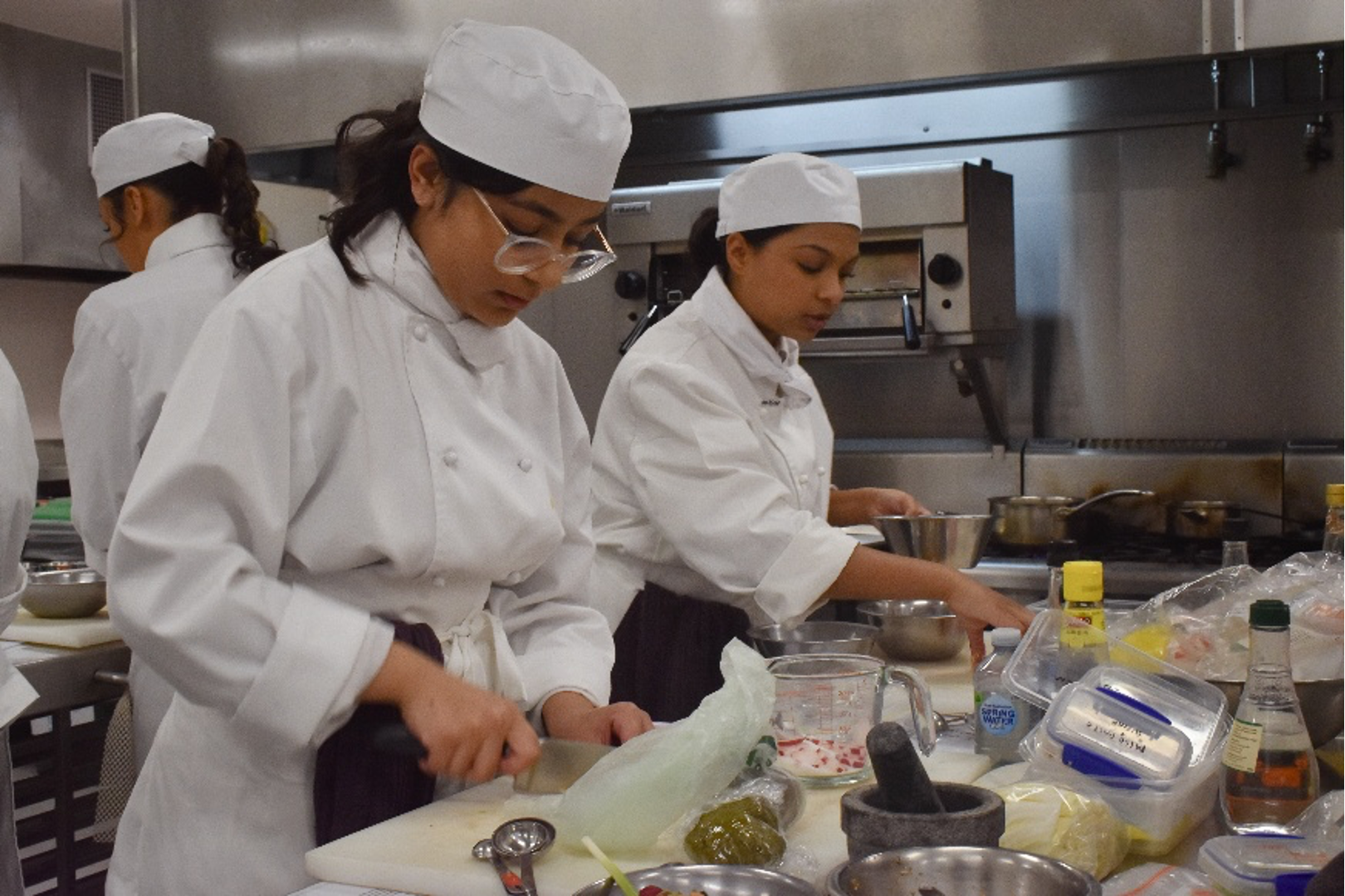
If we want to fix the skills shortage we need to start by redefining what skill actually means, which means rethinking how we train. It means valuing business acumen alongside knife skills. It means embedding leadership, financial literacy and wellbeing into apprenticeships from day one, not treating them as optional extras people pick up (or don’t) along the way.
“If we want to fix the skills shortage we need to start by redefining what skill actually means”
The best kitchens in the country already know this: the ones consistently retaining staff, growing talent and running profitable operations aren’t teaching people to cook – they’re teaching people to think.
The question for the rest of the industry is simple: are we willing to do the same?
Because the skills gap isn’t about numbers – it’s about what we choose to teach and what we’ve quietly stopped passing on.
Related Articles