Taking a fresh approach to the contemporary cocktail menu
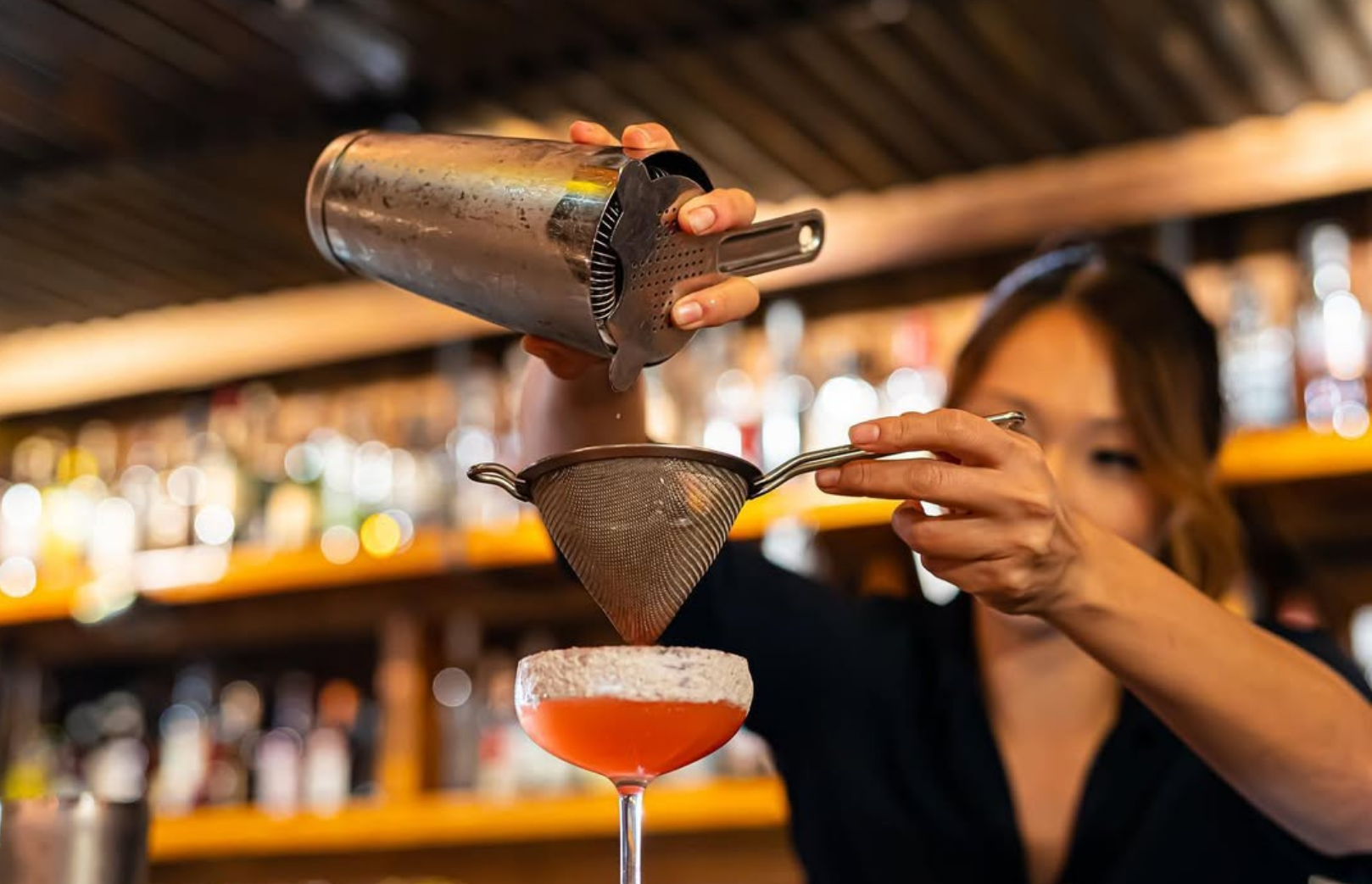
/The fine art of cocktail mixology has evolved in recent years as customers are increasingly attracted to the cocktail menu. This article shares insights from two highly experienced foodservice professionals well qualified to speak on the subject – Jacob Crane and Natalie Ng.
JACOB CRANE
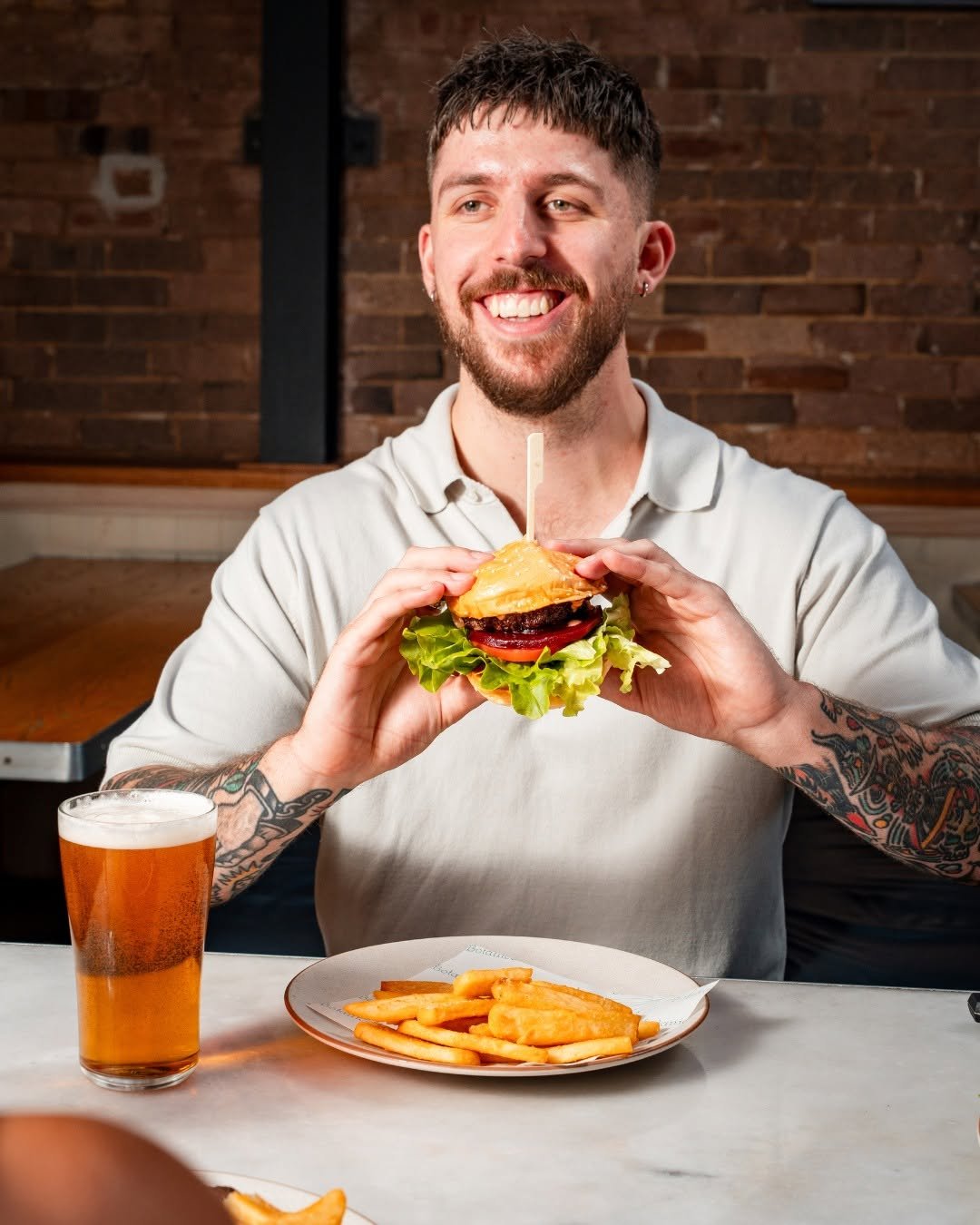
Jacob Crane is General Manager and Licensee of the Highfield Hotel in Caringbah, one of three Sutherland Shire venues operated by Feros Group. The multifaceted venue encompasses The Botanical rooftop bar with panoramic city views, Huxley’s American inspired sports bar with Italian influence in the basement, and The Public House public and sports bar on ground level.
“Cocktails are going from strength to strength in our venues,” Jacob says, “and that’s partly because people are a bit more price conscious when they go out – they’re not afraid to spend, but they want to make sure they’re getting value. So when they’re tossing up between a craft beer which can be $12 or $13, or a wine which could be $20, a cocktail that sits within that same price range can be very appealing – the experience of having something put together by a mixologist makes it seem a little more special.
“We’ve always tried to design our cocktail menus so there are recognisable elements”
“The fact that it’s custom-made with multiple ingredients adds to the perception of value. And at the moment people are not going out so much – it’s more of a considered thing to do, to go and spend a night out, so when you do the occasion seems more special and a cocktail helps to mark it as such.
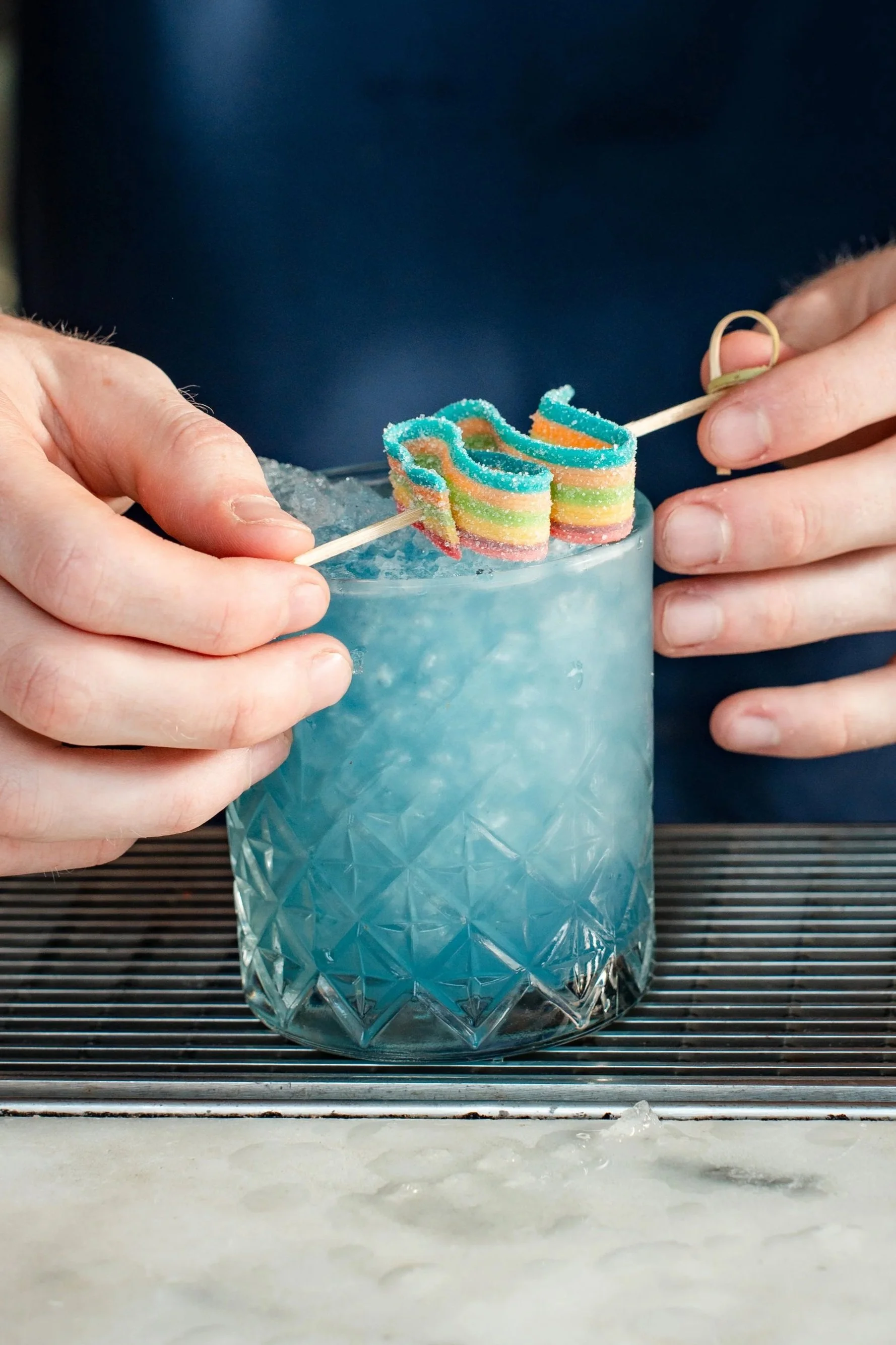
“We’ve always tried to design our cocktail menus so there are recognisable elements – we want to make a connection to something people know, so we’ve had a lot of cocktails that borrow ingredients from classic Australian confectionery. That way people think ‘I know what that’s going to taste like’. We have a cocktail called the Sour Strap, which tastes like the classic lolly you’d buy at the school canteen or soccer and we garnish it with one of the lollies so you get that recognition. At the moment we have a remix of a classic Espresso Martini with cold foam on top – cold foam coffees are all the rage and that’s been doing wonders for us.”
“A big shift in what males will drink”
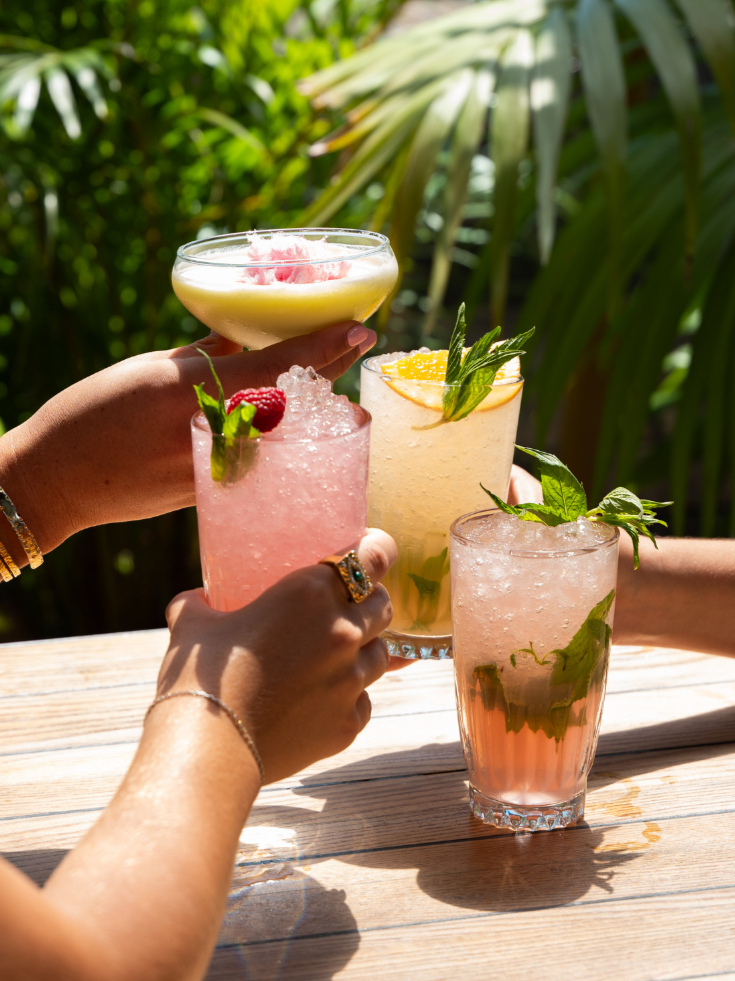
Jacob says the pub’s approach to cocktail recipe design has evolved over the past couple of years. “We used to make cocktails aimed at the female market – sweeter in taste, very colourful and Instagrammable, lots of pinks, purples and red served in a coupe glass – then some which were a bit ‘blokier’ with stronger alcohol content and taste, more your Old-Fashioned and Negroni. But we’re now finding there’s been a real big shift in what males will drink – with all the RTDs that have flooded the market, it’s less of an expectation now that an 18 year old male’s first drink will be their Dad’s favourite beer. A lot of young guys aren’t even drinking beer – and we’re seeing guys walking around on a Friday night with beautiful pink cocktails garnished with flowers and they’re loving them.
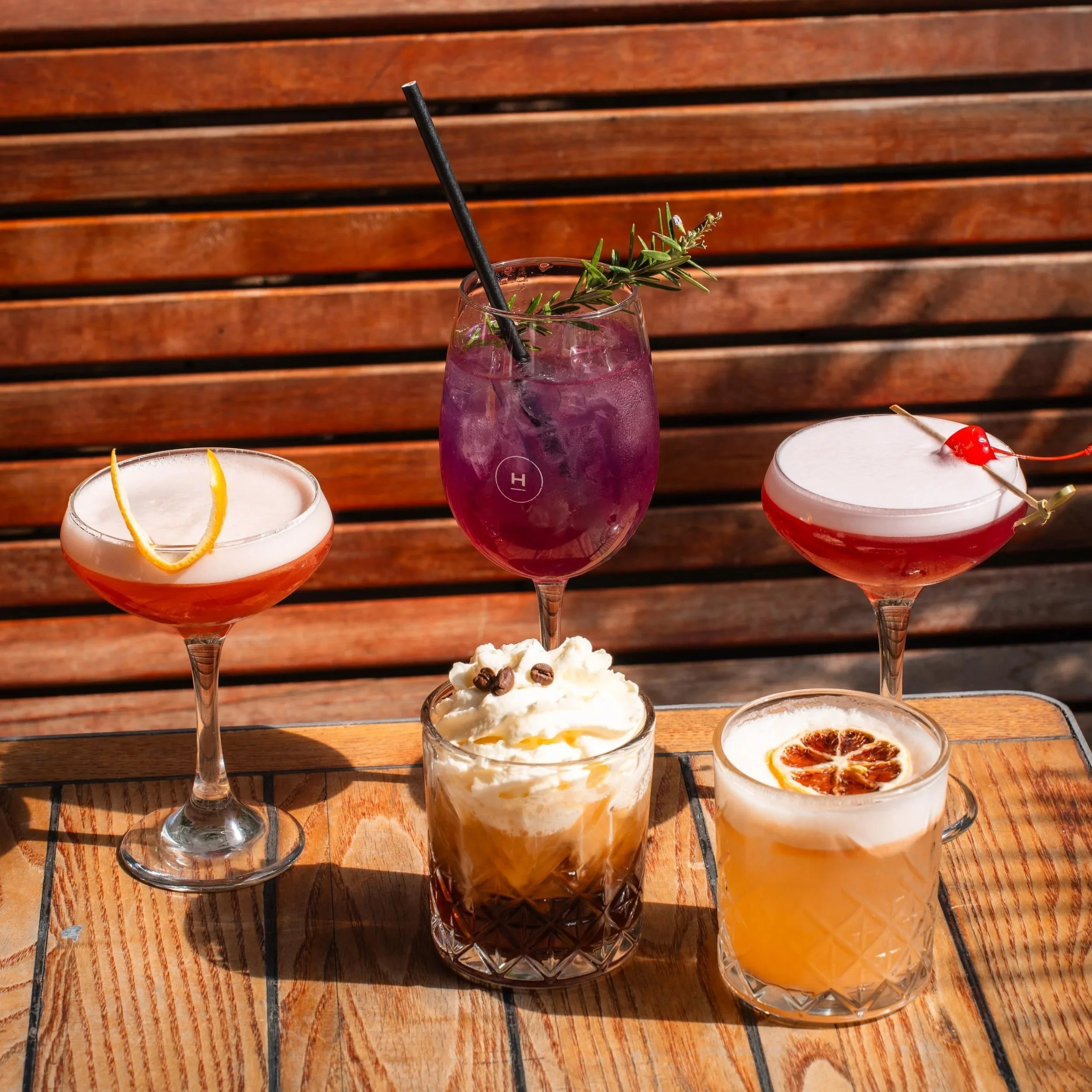
“When we divide up the menu, we try to have three vodka-based, three tequila-based, a few red cherry or raspberry flavours, a couple of blues, some of your confectionery flavoured ones and a couple of pink, purple or red cocktails served in a coupe with a nice foam head and garnished with rosemary, sweet fruit or some kind of flower.
“We’ll do a rotating group that fit that description – you put one on and they always do really well. Some of those are classics like Pornstar Martini or Appletini – they’re great to photograph and easy drinking, and people like ordering them because they’re familiar with the flavour profile.”
“We can do three or four hundred cocktails over three hours, so we house-batch some”
In developing each recipe formulation, Jacob says the focus is on delivering a good value offer to the customer. “We do happy hours on all levels for our cocktails – we’ve always done that and had a lot of success with it – and during that period some of them are as cheap as $14, which is a great price for a premium drink. We used to take longer costing them out when we were using various brand name spirits, but we found that didn’t actually incentivize people to purchase – we tried a premium cocktail list that was a step above our regular, using brand name tequila instead of our house tequila, but customers weren’t inclined to part with the extra $2 or $3. Now we just use our house spirits, which are good quality products in any case, and that makes it easier to work within the margins we’ve set for ourselves.
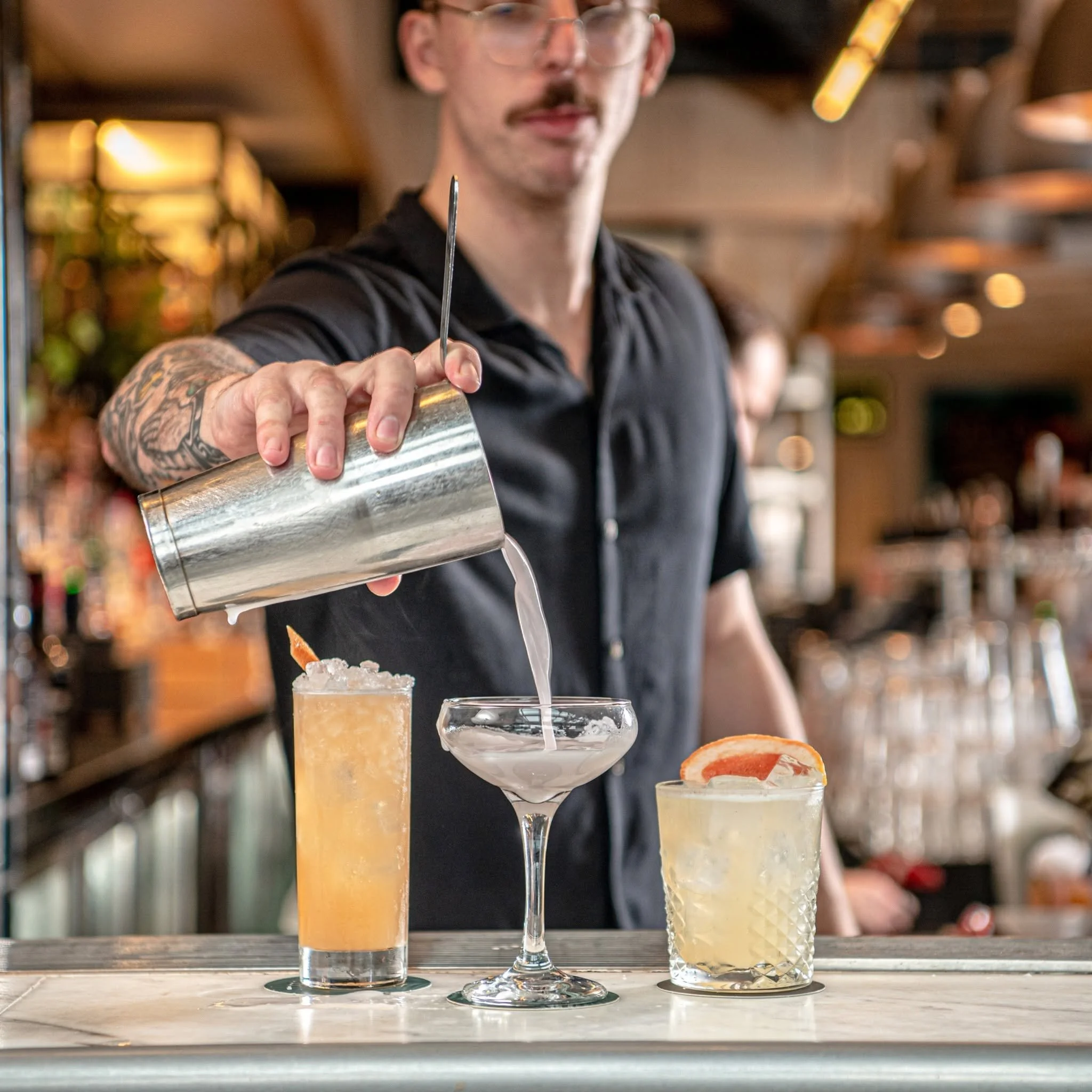
jacob mastering the pour
“The volume we serve can be pretty significant – with our bottomless lunches and happy hours, we can do three or four hundred cocktails over three hours, so we house-batch some so we can serve them up quickly.
“That requires making sure the recipes aren’t so complex that they’re going to take you too long to make – speed of service needs to be as much a consideration as the quality of the drink.”
Jacob explains all the alcoholic ingredients are batched along with the non-alcoholic ones at a set time each week – “the idea being that when you have a cocktail with seven or eight ingredients, you can reduce it to two or three pours.”
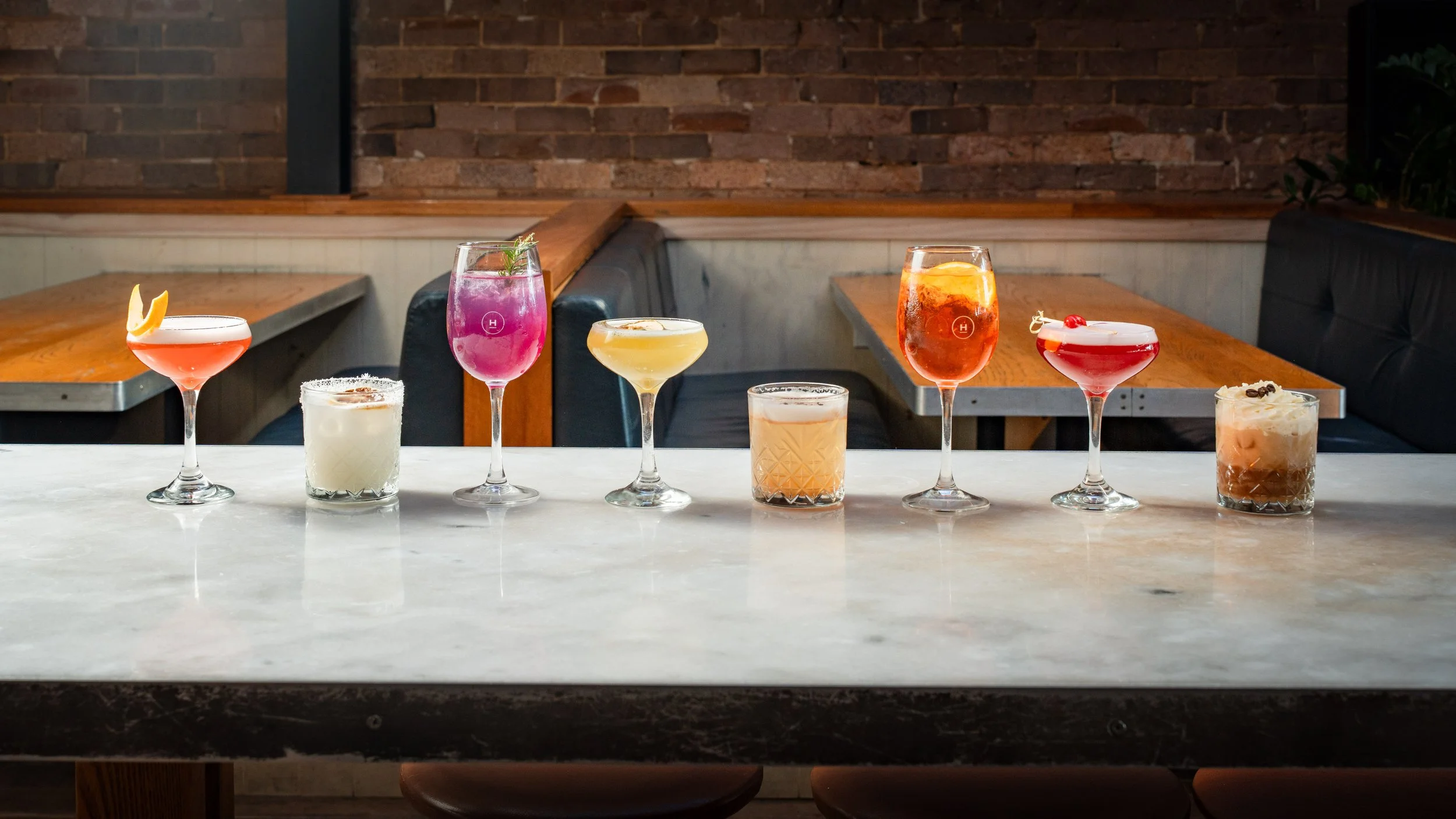
Mention of non-alcoholic ingredients brings us to the subject of mocktails, which Jacob says are far more popular than in the past: “I think they used to be an afterthought on the menu – you could choose strawberry, passionfruit or mango and the bartender on the day would make up something using non-alcoholic ingredients.
“But now non-alcoholic drinks are on the rise across the bar, and we have four mocktails on our list – a couple of our signature creations sans the alcohol, and a couple which use non-alcoholic spirit replacements, like non-alcoholic tequila and rum which look and taste just like the real thing. We do a Virgin Margarita with non-alcoholic tequila and triple sec and it flies off the shelf!”

Covid lockdowns gave cocktails a boost

natalie ng at the bar
Natalie Ng is the former owner of Sydney bars Door Knock and Now and Then Cocktail Bar and a longtime leading light of the Australian bar scene, and in 2024 was the first female recipient of the Award for No 1 Influential Hospitality Personality. Having sold both bars two years ago, Natalie is now a Brand Ambassador for House of Suntory as well as a foodservice industry consultant – working with Sweet & Chilli beverage brands agency on training activations for brands including Smirnoff and Red Bull. She has also recently developed the cocktail menu for Kingpin Australia – which included delivering onsite staff training to ensure all drinks are accurately mixed and taste consistent across all Kingpin’s sites.
“RTD cocktails were becoming widely available and that really contributed to driving demand”
Natalie says consumer interest in cocktails received a boost during lockdowns – “people were at home and they started experimenting with making classic cocktails like Old-Fashioneds, Margaritas, Whisky Highballs – adding their own twists and having a lot of fun. The other factor is that RTD cocktails were becoming widely available during this period and that really contributed to driving demand.”
“In classic cocktail mixology you have the 3-2-1 formula which is how we balance out a cocktail”
The key to cocktail formulation
When it comes to cocktail formulation, Natalie says the key is to ensure the correct ratio of ingredients: “In classic cocktail mixology you have the 3-2-1 formula which is how we balance out a cocktail – three parts spirit to two parts acid and one part sweet. But then we like to have a little fun with it, especially in Australia where we have such great seasonal produce. Summer cocktails therefore tend to be less acid, because it’s not citrus season.
“Remember you’re not making the drinks for yourself, you’re making them for your customers ”

natalie applies the finishing touches
“An important rule of thumb to remember is that you’re not making the drinks for yourself, you’re making them for your customers – so you always need to know the demographic of your venue. Always invest in foundational training for your bartending staff – make sure they know the classics, understand temperature dilution and texture and how to balance sweet and sour, weak and strong taste. All cocktails should have that balance.”
Natalie adds that the contemporary customer palate has shifted and this is reflected in drinking trends. “People now tend to choose drinks that are a little more carbonated, light, fresh with relatively low alcohol by volume – they like things a little more refined, subtle yet complex. Contemporary cocktails still have the same DNA as the classics but the technique of how to make them has probably changed a bit because there is more expertise involved. For example you might curdle milk with some citrus to get a lactic texture, you might use an iSi canister to perform a rapid gas infusion. There are molecular gastronomy techniques where you make fogs or airs and these have now crossed the barrier from the kitchen to behind the bar, which is very cool.”
“The garnish should elevate the drinking experience”
Ingredients are only half the story
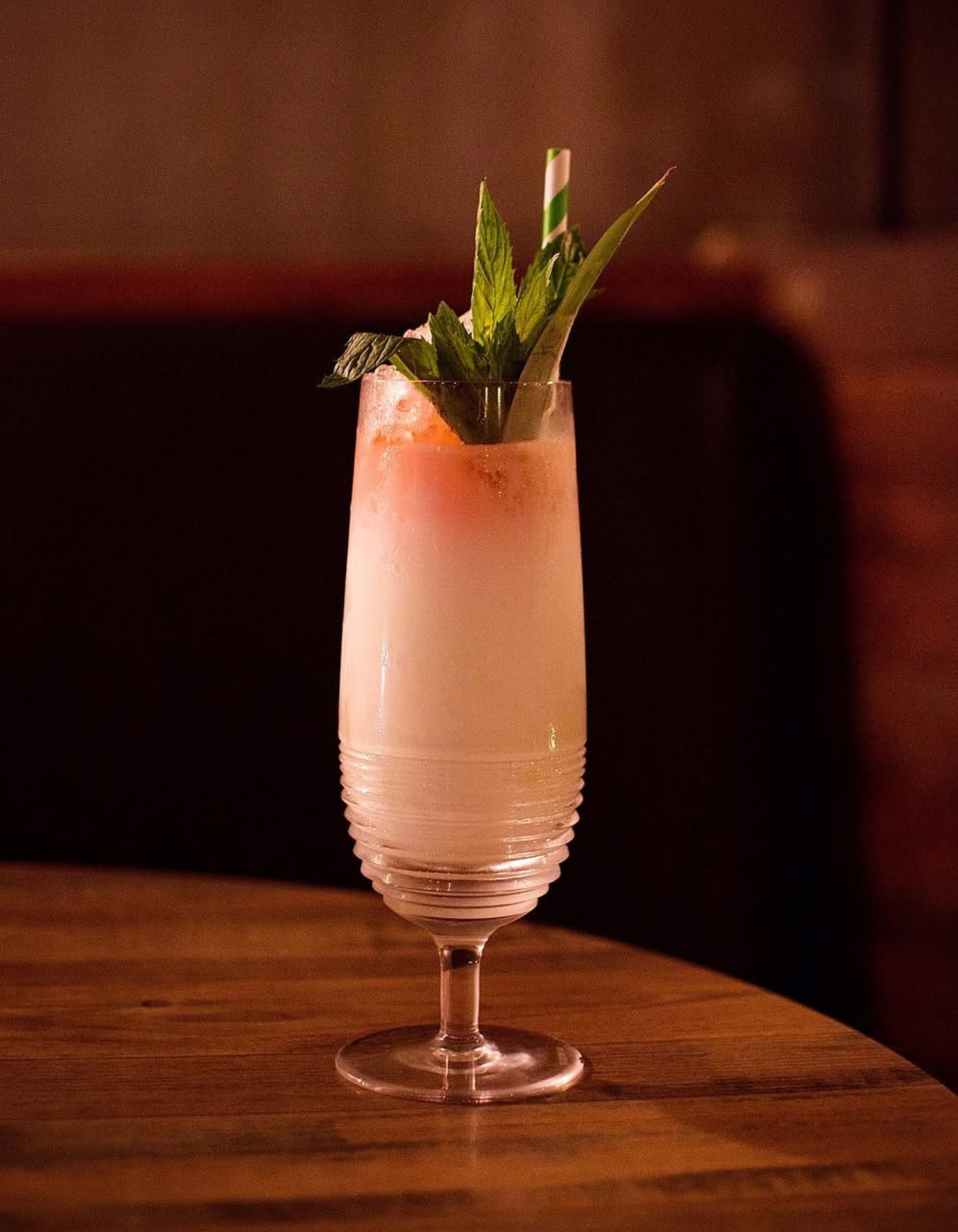
When it comes to presentation, Natalie says “the garnish should elevate the drinking experience, and we’re seeing a lot more cocktails with edible garnishes which add elements of texture, flavour and aroma as well as looking beautiful.
“How you serve the drink is very important – you can put the best ingredients into the glass, but that’s only half the story. In Japanese they use the word omotenashi – it’s not easy to translate but it encapsulates the art of hospitality, anticipating the needs of your guests before they utter a word.
“The Japanese technique of bartending is very different to the rest of the world – it’s a spirit more than anything else, and it goes beyond simple customer service. It’s embodying more thoughtful care, sincerity, mindfulness and that can create what I call a 360 degree experience. So I think how accurately each cocktail gets made, whether you go above and beyond the expectations of your customers, that kind of omotenashi is what differentiates an excellent drinking experience from an OK one.”