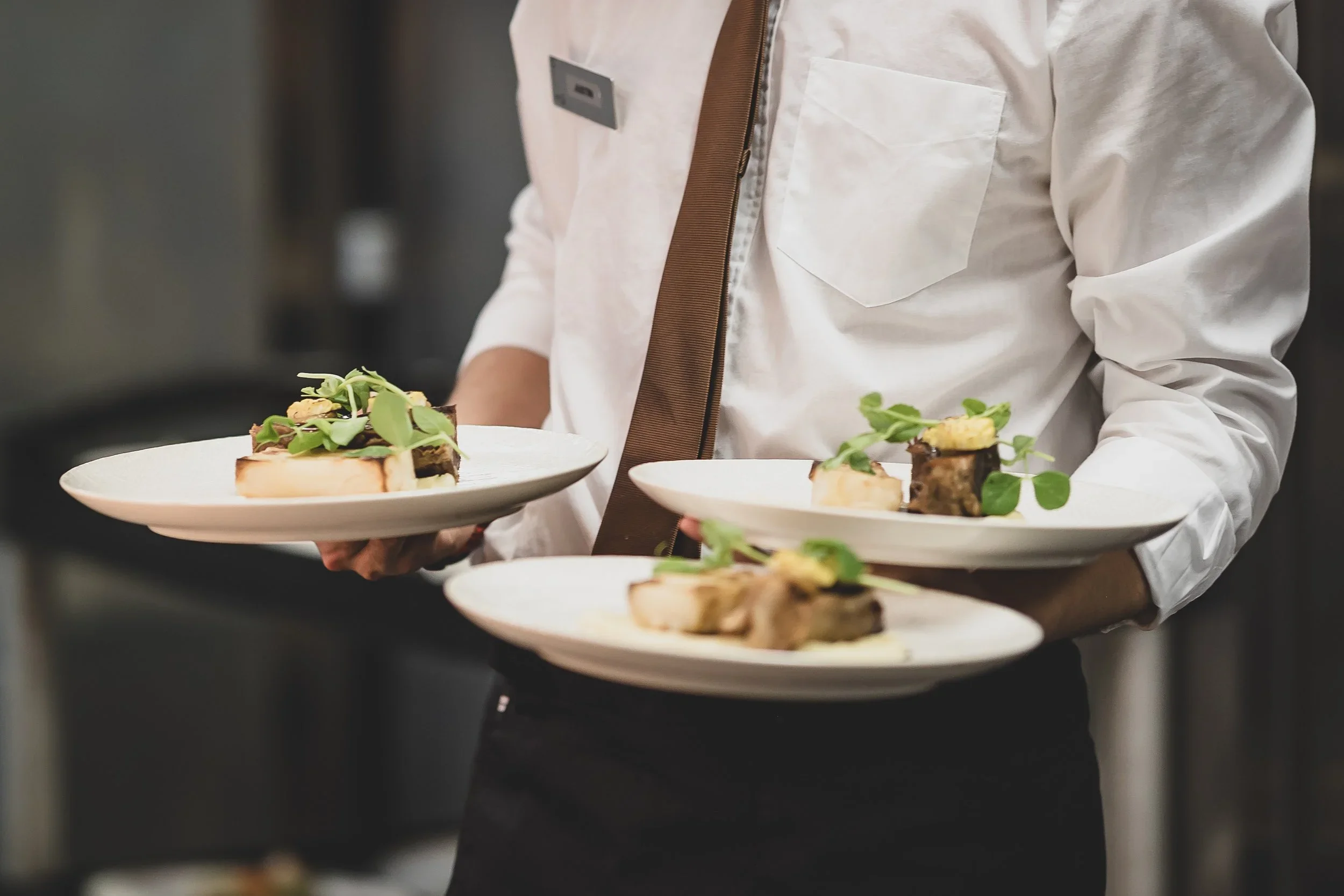
Chefs facing challenges in today’s club market
/Foodservice Rep speaks to two highly experienced club market chefs – both from a fine dining background – about the challenges chefs face in this often misunderstood sector of the market, and finding an approach that pays off.
Chef Justin Zammit came to clubs from a fine dining background, with stints at the Hilton and Swissotel in Sydney, then up to Hayman Island in the Whitsundays followed by several years overseas, returning to Australia to oversee the event catering at Brisbane City Hall and then taking on the Group Executive Chef role for QT Hotels.
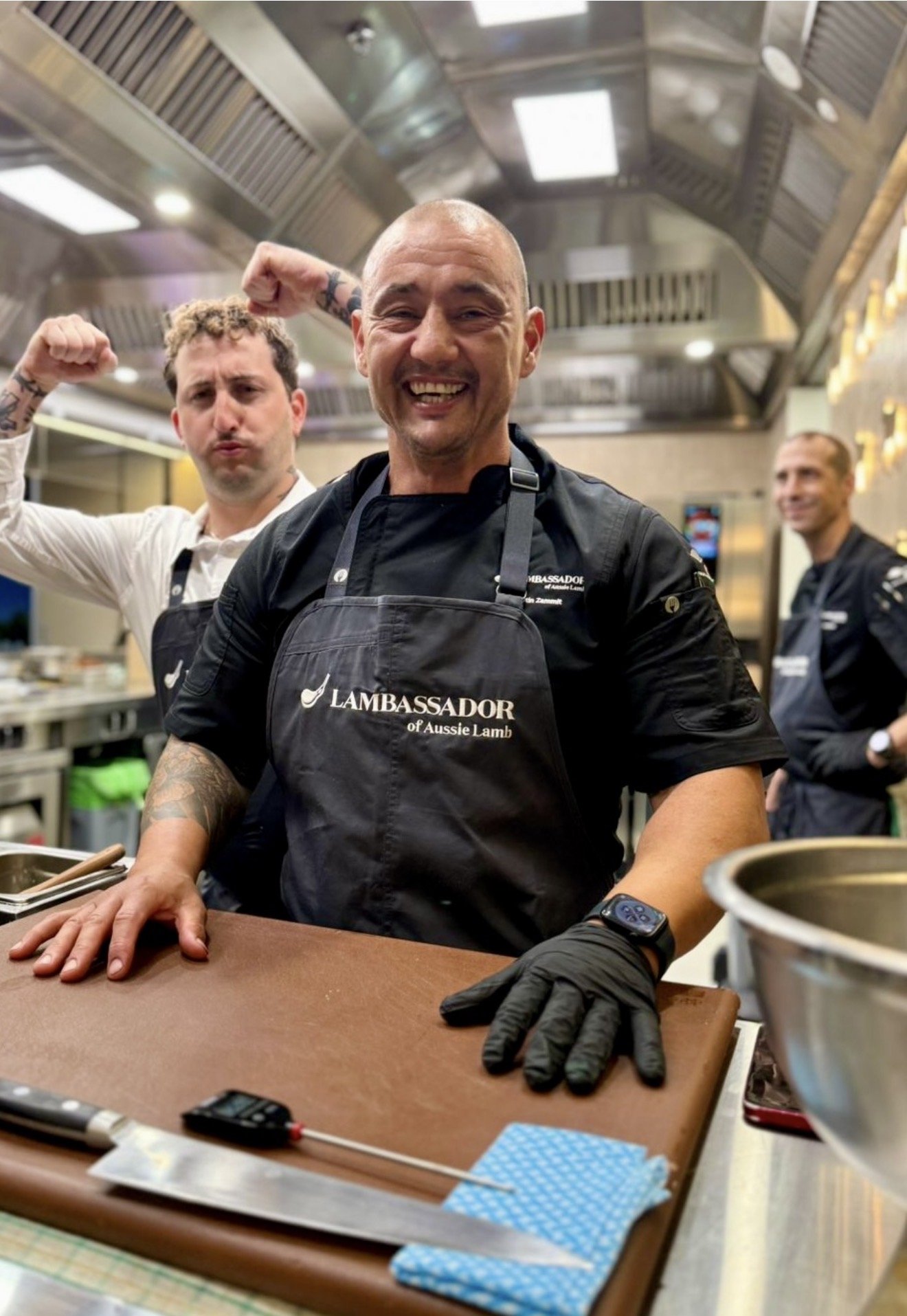
justin zammit with workmates
Relocating to the Gold Coast, he oversaw three clubs for the Burleigh Bears Group – Burleigh Leagues Club, Burleigh Sports and Nobby’s Beach Surf Life Saving Club – then worked at Currumbin RSL for some three years. Justin is now a consultant chef to industry, a Red Meat Ambassador for Meat & Livestock Australia and an accredited teacher at TAFE and private RTOs.
“When I first started working in clubs, it was a very humbling experience and a great lesson to learn,” Justin recalls. “A couple of times I got handed my ego on a plate. What I eventually realised is that once you sit back and think about the entirety of the club, with a bit of smart menu engineering you can definitely put runs on the board.”
Snacks are big across the board
Justin makes the point that management expectations of club dining’s contribution to the bottom line have changed in recent years. “You’ve got to be standalone – in the old days in clubland you were supported heavily by gaming, but now you really have to hold your own in the food outlets. What I found with menu development is it’s crucial to tailor it to more of a family offering. And I also found that when the family comes together it’s often the wife that chooses where to go while the husband pays the bill. So you learn to orient the menu accordingly.”
“You’ve got to be more intricate with offering a snack menu to increase that basket size ”
He says the days when people would go to the club to put $300 in the pokies and be satisfied with a large chips and gravy are gone. “Nowadays you’ve got to provide a family style offering in a space where the wife and kids can be comfortable at the table and get a greater spend per head, rather than just wolfing down a burger. You’ve got to be more intricate with offering a snack menu to increase that basket size – snacks are big across the board and a great way to move product, because you can make use of leftovers like meat trimmings.
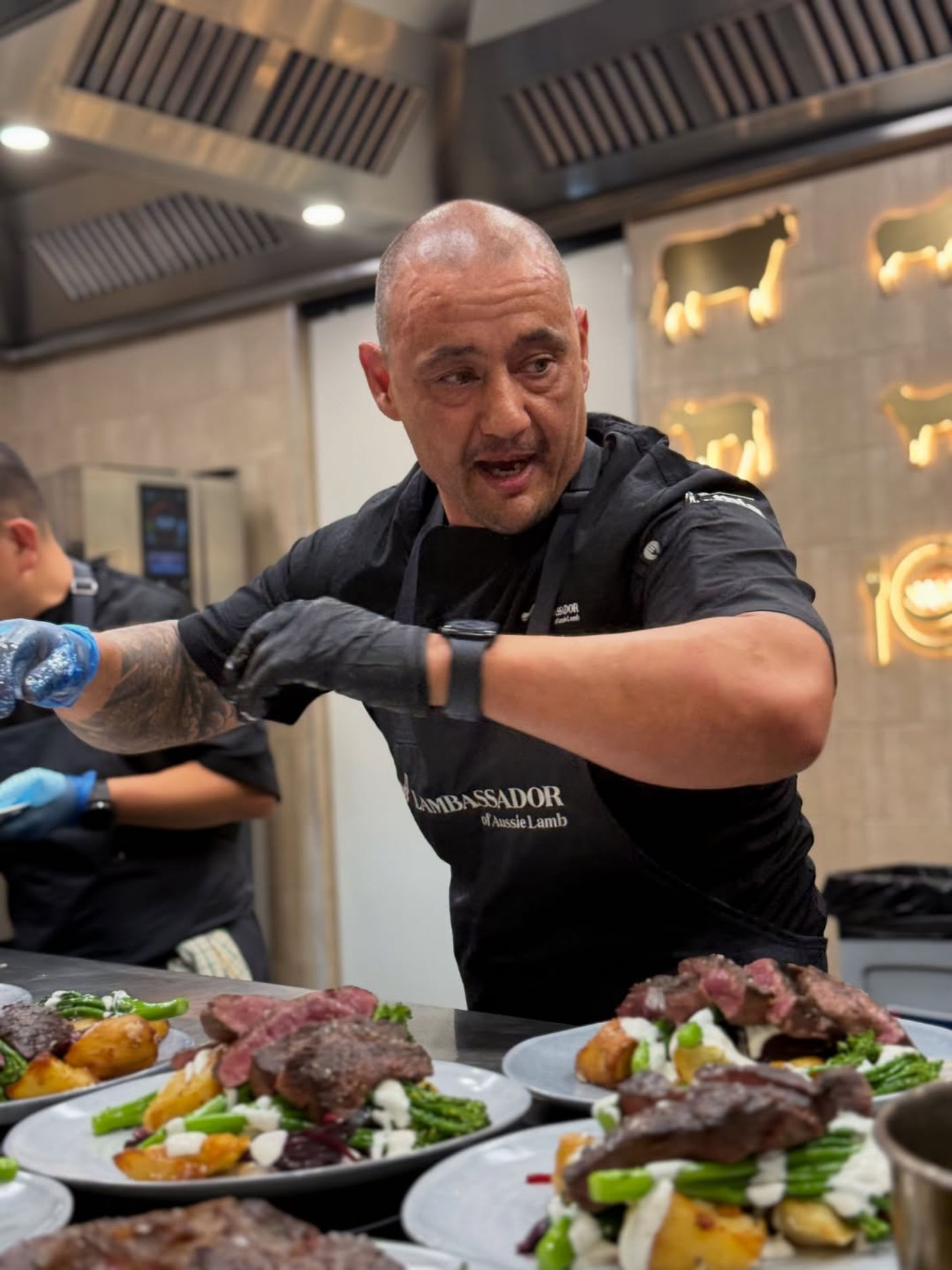
“I recently did a slow cooked lamb shoulder roulade for one of the MLA Masterclass sessions and showed how to use the trimmings in tacos and loaded fries. Although the skillset in the foodservice industry in general has decreased, the expectations today are greater and I think the margins are tighter too, which makes it almost an impossible race. It’s really hard at the coalface, so it’s about chefs understanding how to get the most use out of product – such as using one base protein to produce two or three dishes. That streamlining is very important with the current labour inefficiencies we’ve got right now, and it helps with GP too so it’s a win-win.”
Smart menu engineering pays off
Justin says clubs with multiple dining outlets can use this kind of smart menu engineering to appeal to a broader customer base. ”At Burleigh Bears we had hand stretched woodfired pizza and a tapas bar at one end of the club – bistro basics plus lighter on-trend items to appeal to the female market a little more.
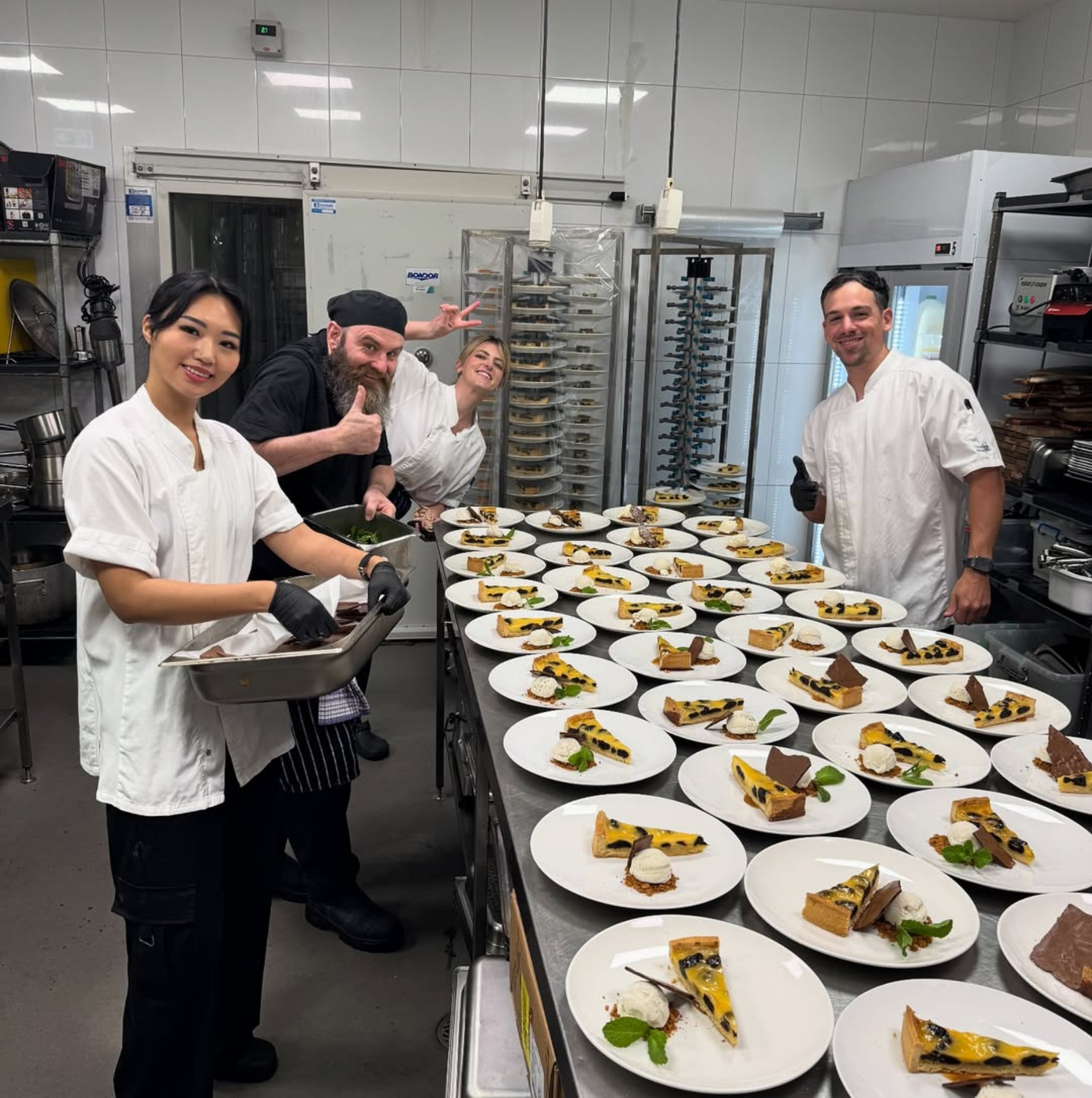
kitchen team at burleigh leagues club
“The problem a lot of clubs face is that the regulars have paid their annual membership and that gives them a sense of ownership – and that can be a challenge in itself. As a chef you have to have a thick skin, especially in that realm. I’ve cooked in probably all areas of hospitality but club members can be the harshest critics – sometimes they’re in six days a week and you hear them grumbling, ‘I pay my membership fees …’”
“When I got into clubs, I wanted to focus on the roast, because often it falls short”
He says ensuring plenty of variety on the menu does help, as does getting the basics right. “When I got into clubs, I wanted to focus on the roast, because often it falls short – you go to some clubs and it’s dried out. So I chose a bolar blade cut, brined it for 24 hours, slow cooked it in the combi overnight. Once it comes out in the morning – just before you go into service, which is earlier in the club environment – we’d rub it with some thyme, mustard seed and parsley salt sprinkle, increase the temperature to get a nice colour and crust to finish it off. Those little touches set you apart from the club next door – being brined ensures a better hot hold, and when you slow cook you’re going to increase the yield because you get less shrinkage. And it’s a better overall presentation and taste so you’re ticking all the boxes.”
Marrying management expectations with customers
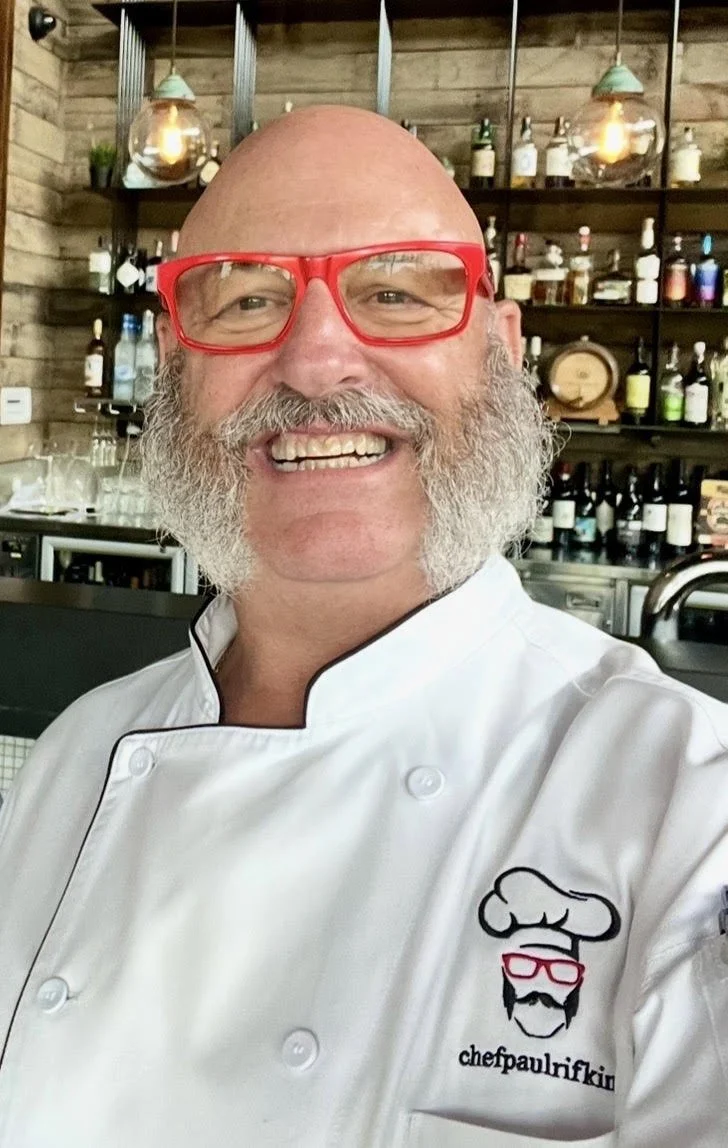
paul rifkin
Consultant chef Paul Rifkin spends much of his time in the club sector, including mentoring club chefs and undertaking audits of club venues. With 17 years’ experience as executive chef of Campbelltown Catholic Club under his belt, and having worked with chefs across numerous clubs, Paul says a lot of the problems he sees in clubs are to do with chefs not marrying the expectations of management with those of their customer demographic.

“Instead of surveying the landscape, they’ll go in all guns blazing,” he says. “They don’t understand what clubs are and they’ve got big ideas of what they’re going to change, but then they end up with people who fight them. Clubs are full of staff who’ve been there for 10, 15 or 20 years and they know their members really well, and it’s easy to get them offside if you’re not careful about how you communicate, especially when you want to change things.
“It can be like turning the Titanic, and I know this firsthand having gone from fine dining into clubs in 2001. A lot of chefs come in hellbent on raising standards but without considering everything else that goes with that – will the staff listen, or will they undermine you, set you up to fail? Are the labour costs going to go up and have you considered that, are you asking people to do more work than they’ve been accustomed to for the last 20 years? And is what you’re planning to offer what the customer actually wants?
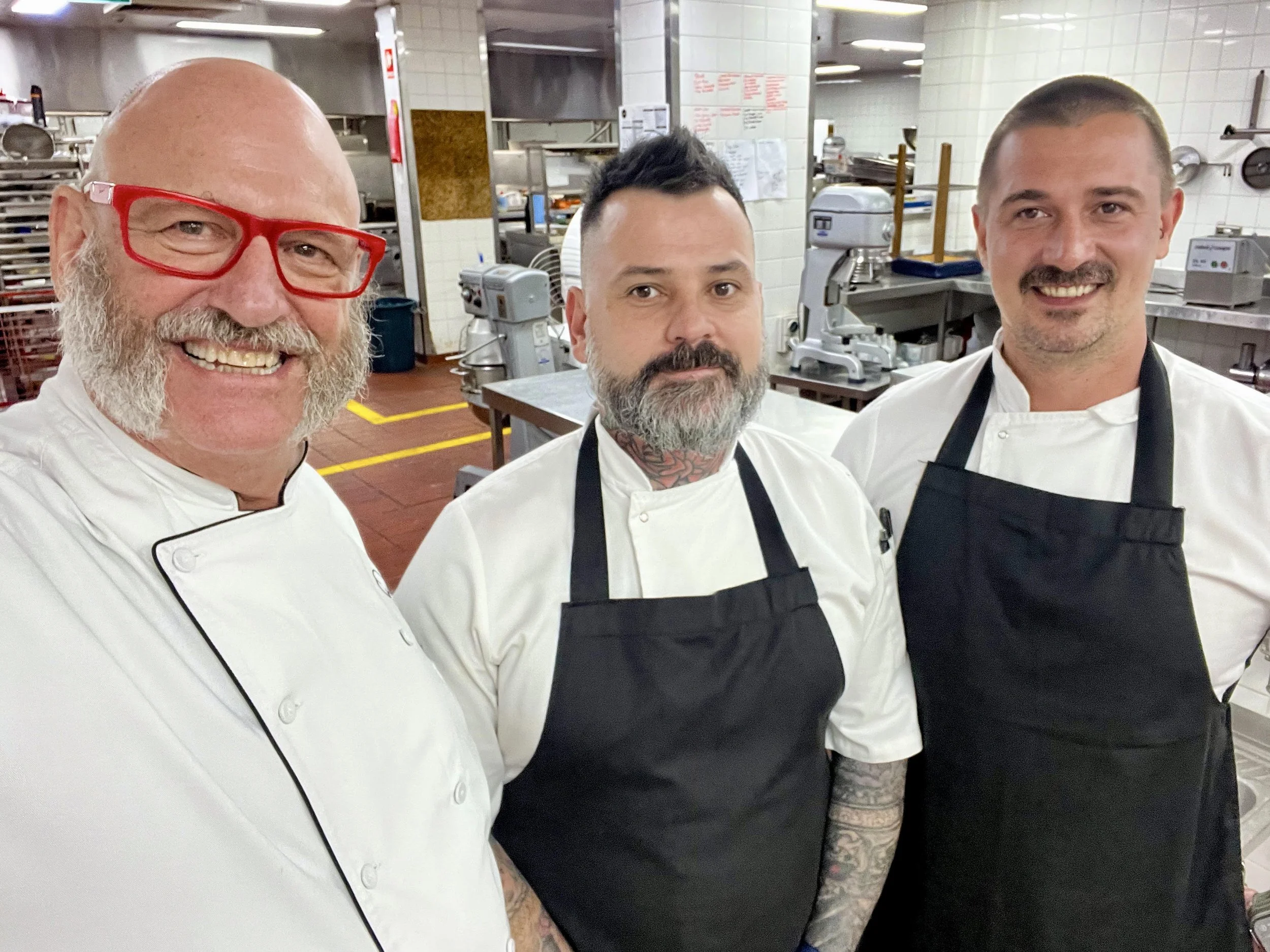
paul regularly mentors chefs in the club market
“I’m working with a club at the moment who I last worked with four years ago. In the meantime they had a chef come in who had lots of ideas, but the customers decided it wasn’t for them, and all of a sudden the busiest place in town became the slowest. It’s a balancing act – you need to understand your demographic, listen to them but not too much. If you don’t change, you haven’t done your job, but if you do change, you have to not get too many noses out of joint along the way.
“I see chefs who go into places and swing a big hammer, but they don’t last”
“I see chefs – without mentioning any names – who go into places and swing a big hammer, but they don’t last. At a certain point it becomes too hard, there’s too much resistance. Back in the 1990s there was a book out called the Best Chefs of Australia and the chef Mark Armstrong said in it, ‘If a customer wants a prawn cocktail, that’s fine, I’ll just make sure it’s the best prawn cocktail I can make’. In other words, you can do ordinary really well. And I think that’s what a lot of club chefs miss – they want to put truffle in the eggs! That’s an extreme example but I actually saw it happen in one place and there was a lynching – yes, they were better scrambled eggs but no one wanted them!”
Pay closer attention to the financials
Paul says club chefs also have to pay closer attention to the financial side of the operation. “I see time and again in club chefs not allowing for GST, not allowing for member pricing – they’ve got the $30 sell price and forgotten to take off the member pricing, forgotten to take off the GST, and all of a sudden they’ve got something that’s not making profit.
“By the same token, you can go into a club where board members are complaining the prices have gone up too much but the best sellers are the weekly specials which are high quality but also high priced. So on the busiest night of the week 50 per cent of all sales were in the pricepoint they say no one wants.
“You can’t run at a loss anymore, operations like that are just not sustainable”
“Chefs need to be mindful of all this because you can’t run at a loss anymore, operations like that are just not sustainable. Plus you need to create a standard that can be maintained in your absence – I like to say the strength of your leadership is only revealed when you’re not on site. If there’s an A team and a B team, and the A team relies on you, that’s not good leadership – that balancing act between quality, consistency and speed has to be similar at each service, and if you create something with too many touchpoints, that’s too complex to serve quickly, you need to revisit it.
“In contrast, you can have speed down to such an extreme there’s no quality – and then you’re failing to attract those 80 per cent of members who don’t want cheap done quick, so there’s two sides to this equation. It’s about having the right people and the right passion, and the person who’s driving it has to be able to motivate the team, get them excited and empowered, thank them for what they do, gee them up and tell them we’re going to smash this, we’re having a great day – instead of some kitchens where it’s just negative and people get beaten up for coming into work.”