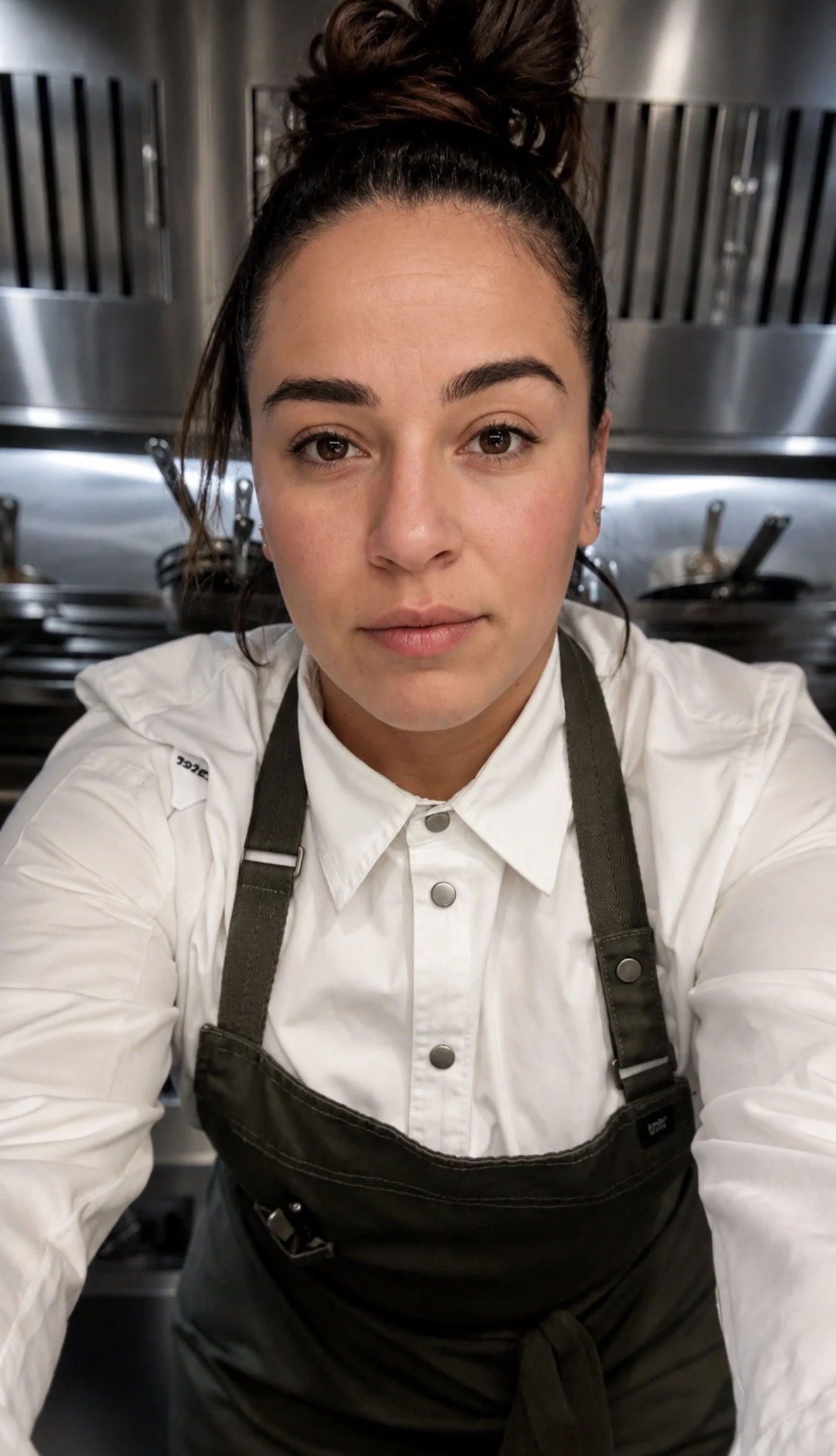
Meet Aline Freitas
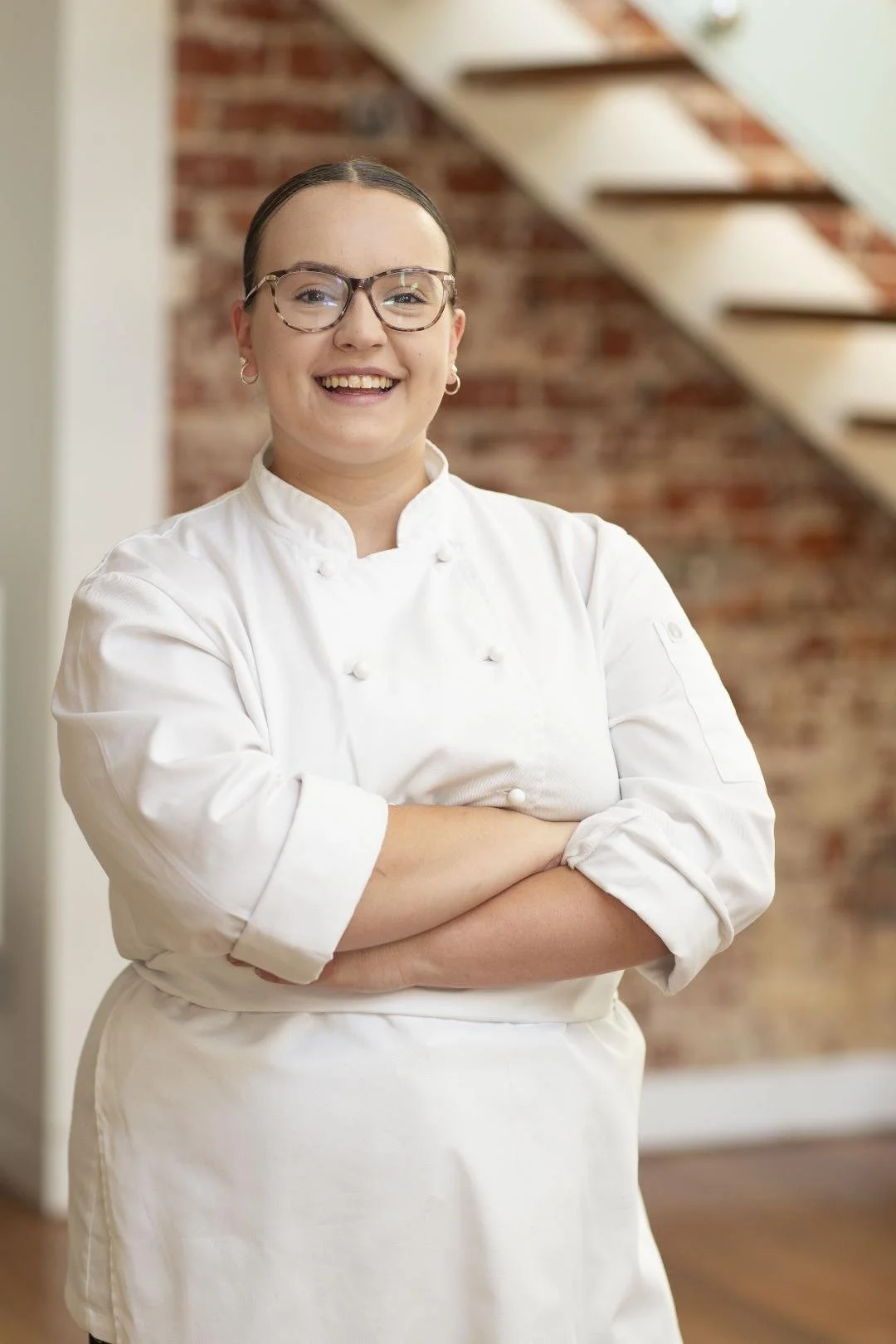
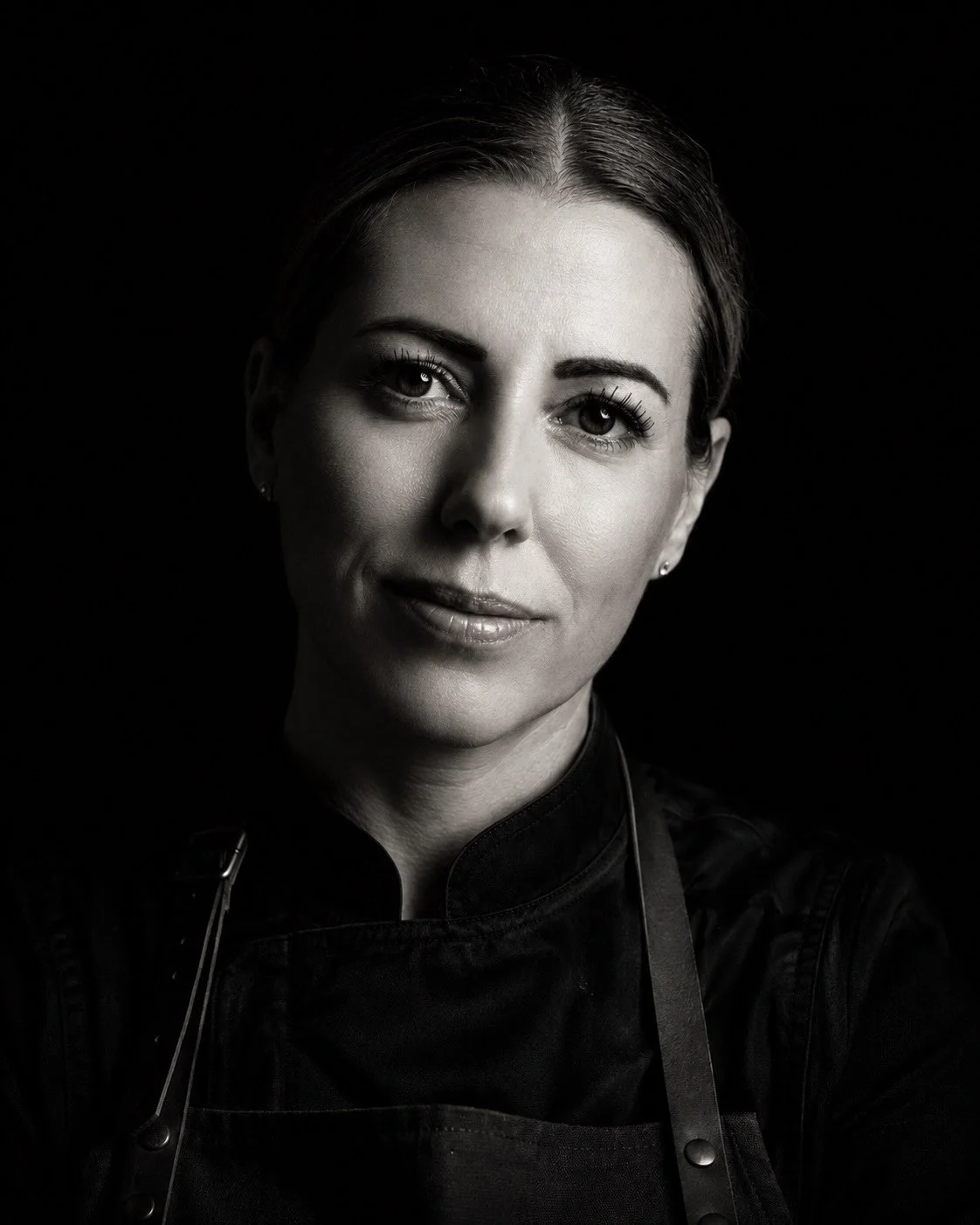
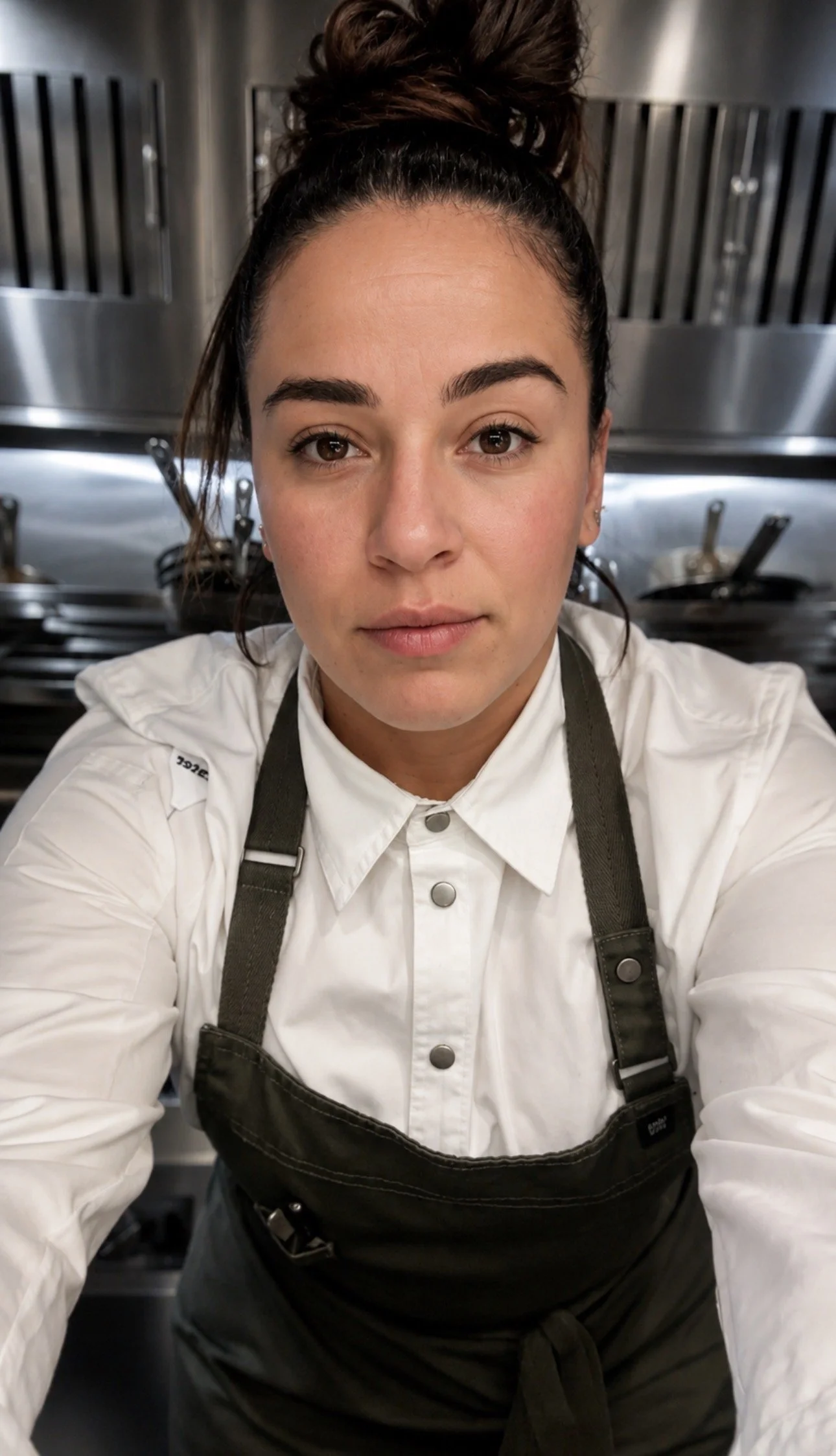
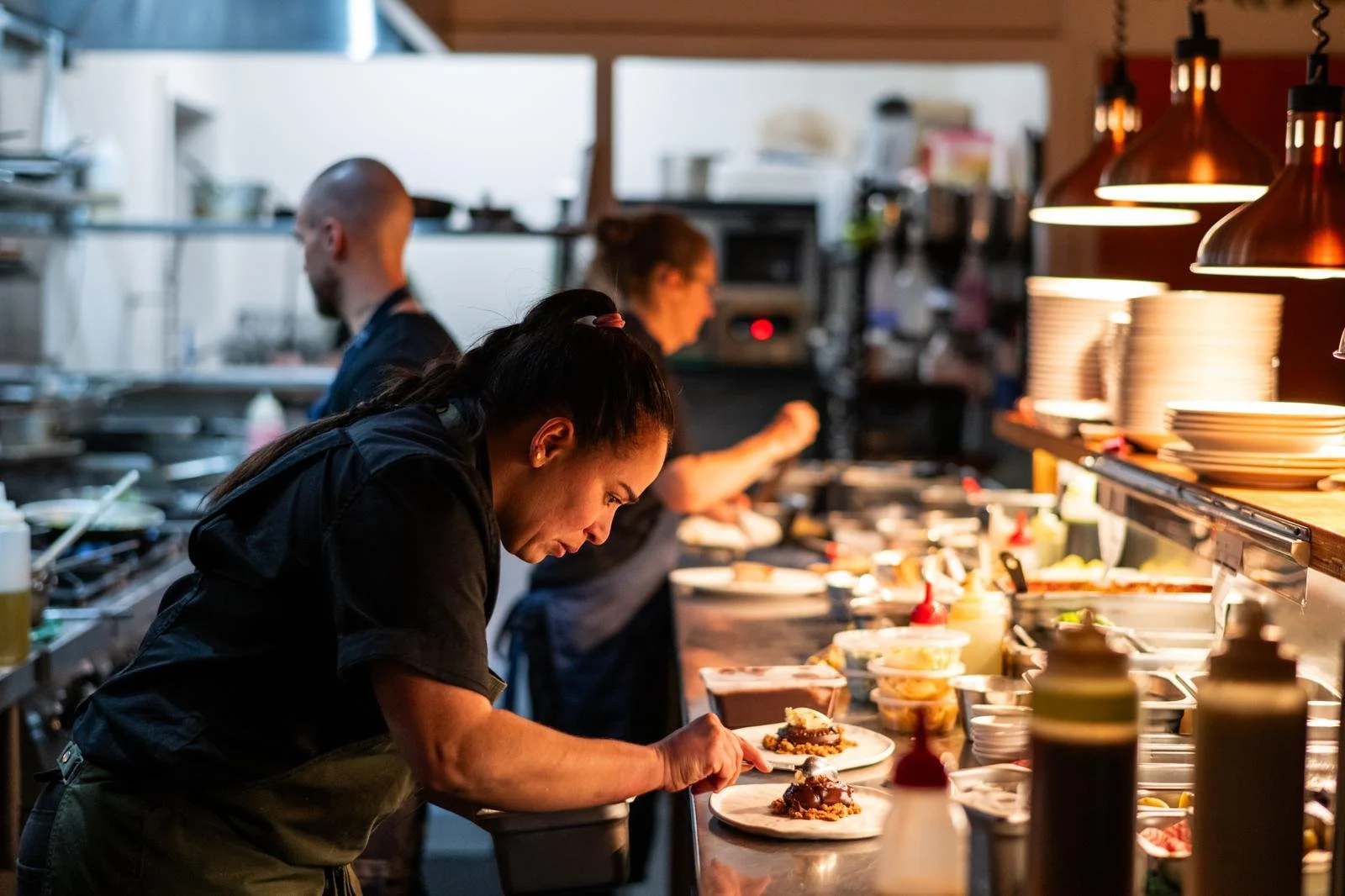
/Aline Freitas of Fiorini's in Orange on the night the restaurant earned its first hat, bringing her culture to Australia and her advice to young women in professional kitchens

When you found out Fiorini’s had earned its first hat, where were you and what were you doing? What happened in the kitchen that night?
“I was at home when I found out, and I remember reading it a couple of times before it really sank in. I was incredibly happy, and quite emotional.”
“The next service was actually quite special. There wasn't a huge celebration because we still had to cook, and we had been fully booked for a little while. But there was definitely a different energy in the kitchen. We were proud, excited and probably running on a little extra adrenaline.”
What’s the most unexpected thing from outside the kitchen that’s made you better inside it?
“Moving to Orange definitely changed the way I connect with my work.”
“Living closer to farms, growers and the seasons completely changed the way I look at ingredients. It made me slow down and pay more attention to what is around me. You start understanding that sometimes the best thing you can do as a chef is actually do less.”
“It made me more curious, more connected to produce and much more intentional with the way I cook. Now I often ask myself not, "What else can I add?" but, "Does this actually need anything else?"
“It made me more curious, more connected to produce and much more intentional ”
If you could represent where you come from on a single plate for an Australian diner, what would it be and why?
“Some of my earliest food memories are of cooking barbecue with my dad in Brazil on weekends at our family farm. So I think it would be something cooked over fire, using beautiful Australian produce while carrying flavours and memories from Brazil.”
“For me, Brazilian food isn’t only about particular ingredients or traditional dishes. It’s also about generosity, fire, smoke, family and people gathering around food.”
“That’s the part of Brazil I carry with me wherever I cook.”
What’s a sustainability habit in your kitchen that guests would never notice on the plate, but that you’d never give up?
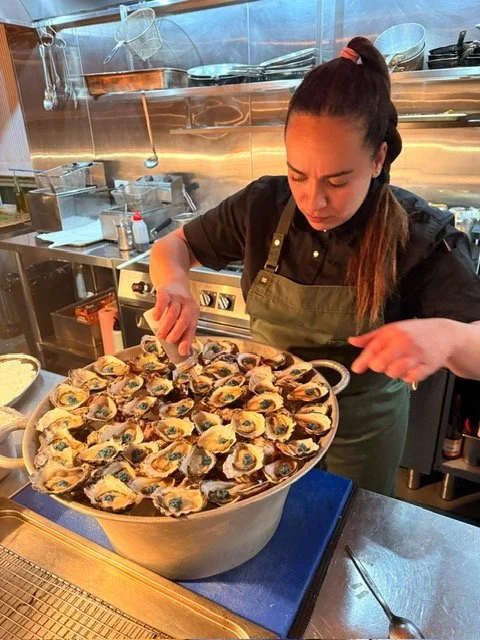
“Using everything.
It’s almost become a game in the kitchen. Before something goes in the bin, we ask ourselves if there is another life for it.
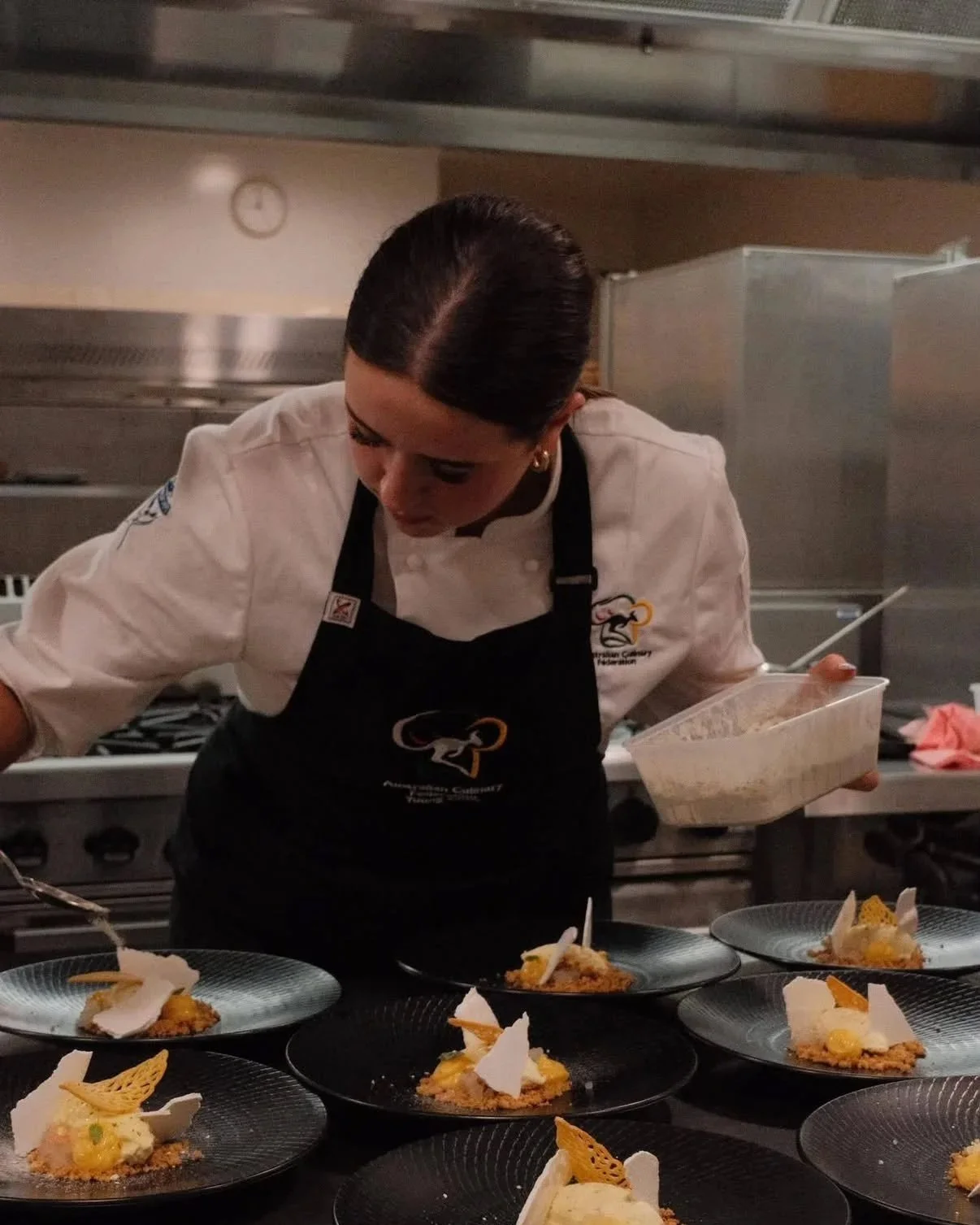
Fish is a great example: the fillets might become crudo, the bones go into stock, the stock becomes a sauce, and the wings can become a snack.
Most guests will never see that process, but for me, it’s one of the most creative parts of cooking.”
What advice would you give a young woman starting out in the industry today?
“Don't try to become one of the boys. When I started, I think there was this idea that to survive in a kitchen as a woman, you had to be tougher, louder, work harder and never show weakness. I don't believe that anymore.
Be strong, absolutely. Work hard. Learn everything you can. But don't lose who you are while trying to prove that you belong there.
Find your own voice, back yourself, ask questions and don't be afraid to take up space. You don't need to cook like anyone else or behave like anyone else to deserve your place in a kitchen.”
What’s one thing about Australian food or kitchen culture that you’ve come to love and never expected when you first arrived?
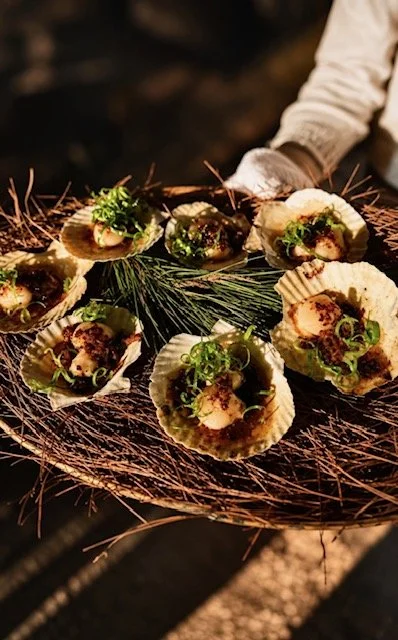
“Australian food doesn’t feel like it has to fit inside one particular box. There are so many cultures, influences and incredible ingredients here, and chefs have a lot of freedom to bring those things together.
“Coming from Brazil and building my career in Australia, that has been really important to me. I can carry my Brazilian background with me, learn from Italian cooking, work with incredible Australian produce and allow all of those influences to become part of my own cooking.
“I didn’t expect that when I first arrived, but it’s probably one of the things I love most about cooking here.”