Sound: the overlooked sense at the table
/Organoleptic perception is the total sensory experience of food: aroma, flavour, texture, temperature, appearance and yes, sound. Yet sound has long been treated like the awkward cousin - something to manage, not design.
High pitched sounds make foods feel brighter, sharper, sweeter. Low frequencies deepen bitterness, amplify umami, make dishes feel heavier, darker, more serious.
Crunch signals freshness. Sizzle signals anticipation. Silence signals intimacy or discomfort, depending on context.
A crisp apple isn’t just crisp because of texture. It’s crisp because your brain hears the fracture before it registers sweetness. Take away the sound and the apple becomes oddly flat, even stale, despite being chemically identical.
Sonic seasoning: when sound becomes an ingredient
Think of sound as seasoning you don’t sprinkle but broadcast. Gentle high frequency music can enhance perceived sweetness in desserts and fruit-forward dishes. This is why patisserie-heavy cafés often use light, airy playlists without knowing exactly how it works.
Bass-heavy, low tempo soundscapes push savoury dishes into richness. Red meat feels more iron rich. Broths feel deeper. Fermented foods feel more complex.
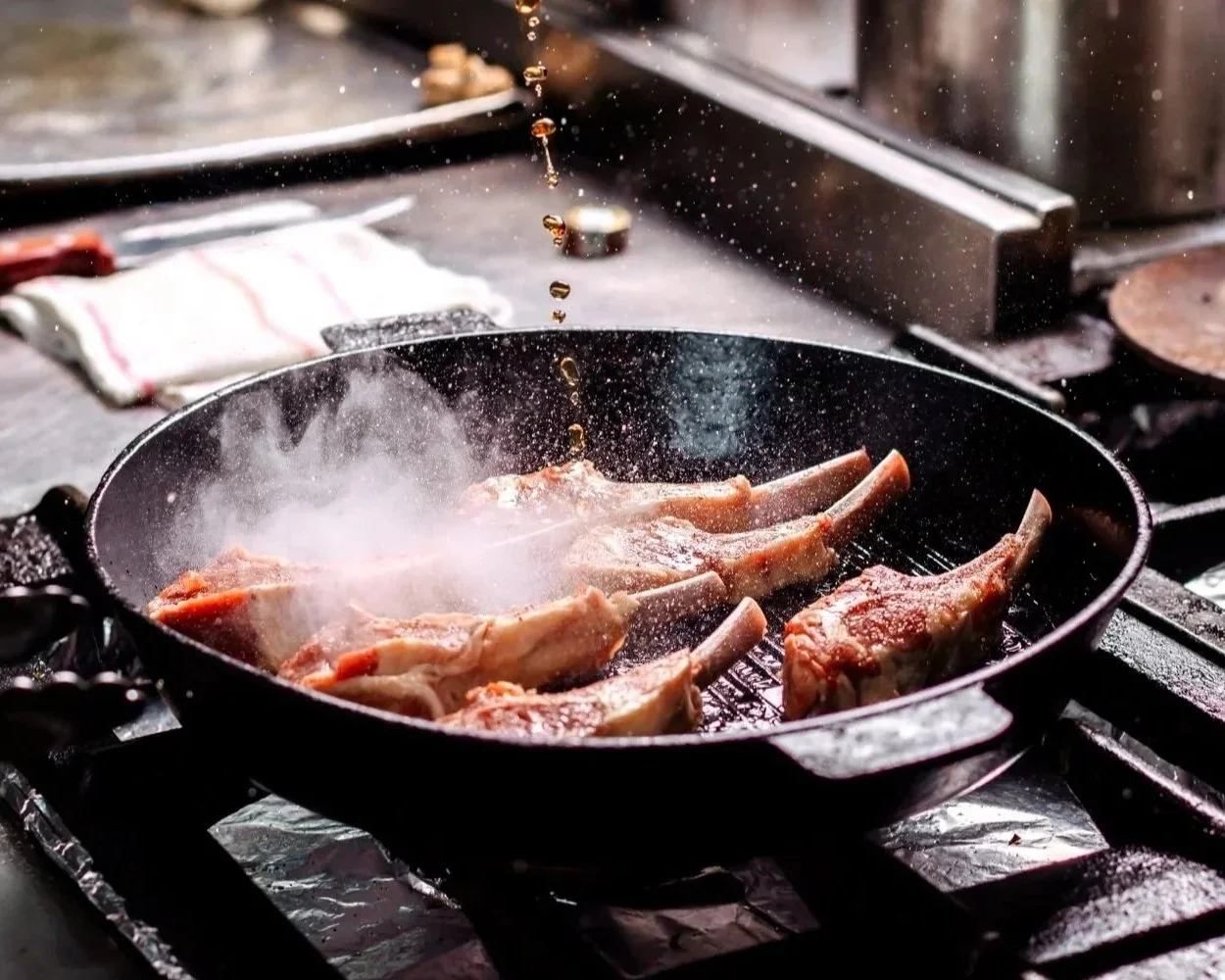
Even volume matters. Loud environments dull sweetness and suppress nuance, which is why airline food is aggressively seasoned and why delicate dishes die in noisy rooms.
I experienced a dish at The Fat Duck, Heston Blumenthal’s Sound of the Sea, where a shell pressed to your ear carries the rhythm of the ocean. And somehow, with every bite of fish and foam everything tasted brighter, fresher, as if I was standing on the shoreline rather than sitting at a table.
The sound of a crisp chip breaking, a chicken skin shattering, a loaf cracking as it cools tells the brain “fresh”, “hot”, “alive”. That cue often arrives milliseconds before the tongue confirms it. Remove or dampen that sound and the eating experience feels limp, even if the recipe hasn’t changed.
This is why packaging noise matters: the tear of paper, the pop of a cork, the hiss of carbonation all heighten pleasure before flavour even arrives.
Designing food with sound in mind
For chefs, product developers and menu creators, this opens a new design space.
Ask different questions:
What should this dish sound like?
Should it crunch, whisper, crackle, or melt into silence?
What soundtrack supports this flavour profile rather than fights it?
Is this a dish for conversation or contemplation?
Modern dining experiences that feel memorable often succeed not because the food is louder but because everything else is quieter, more intentional, more tuned.

The future of flavour is multisensory.
Loud & Proud
High-impact, high-crunch, unmistakable
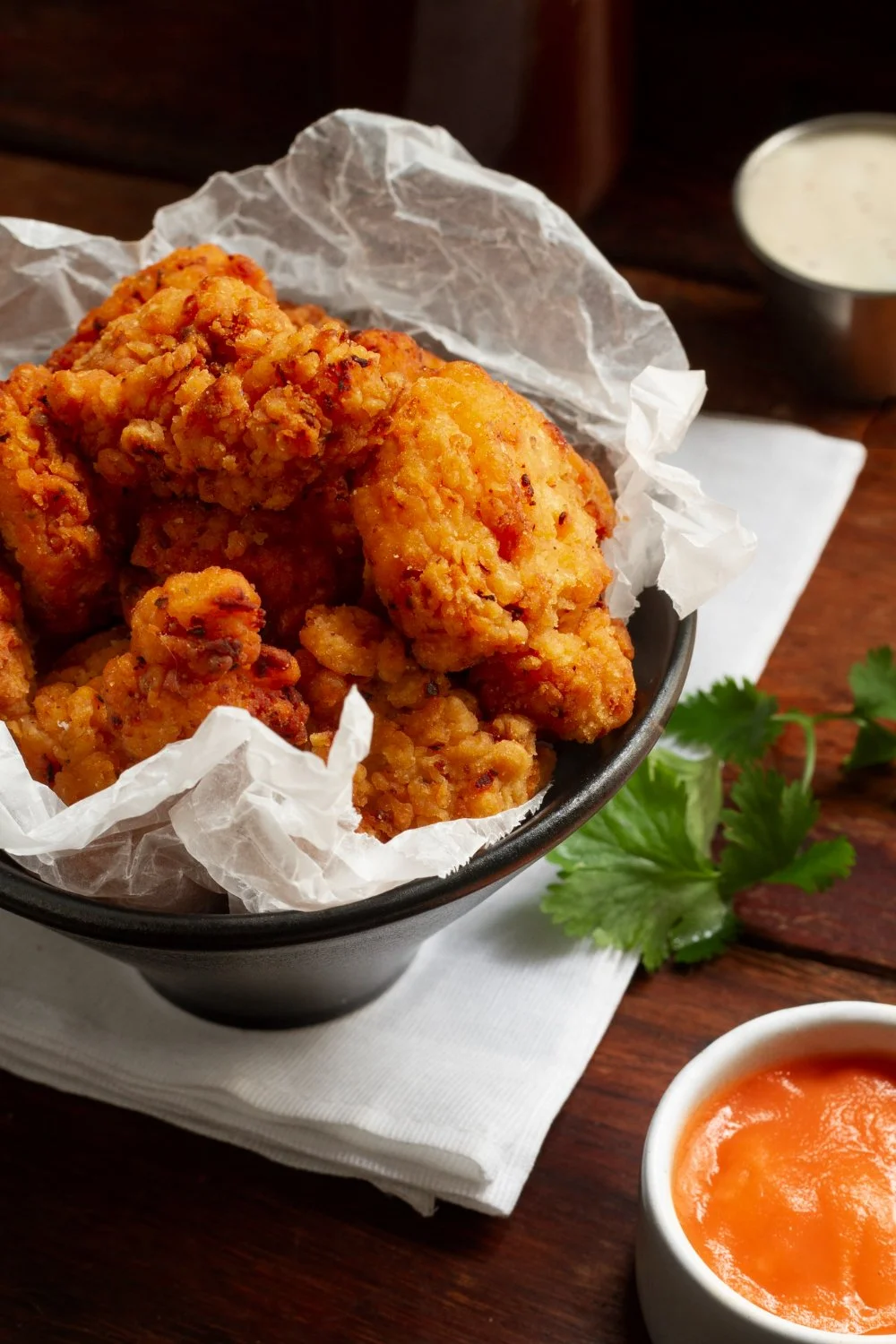
Double-Fried Buttermilk Chicken
Audible crunch on first bite. Signals freshness, indulgence, satisfaction. Works beautifully with upbeat, high-frequency playlists.Duck Fat Twice Cooked Smashed Potatoes
Fork-crack texture. Comfort food that sounds generous and nostalgic.
The Sizzle Set
Anticipation as theatre
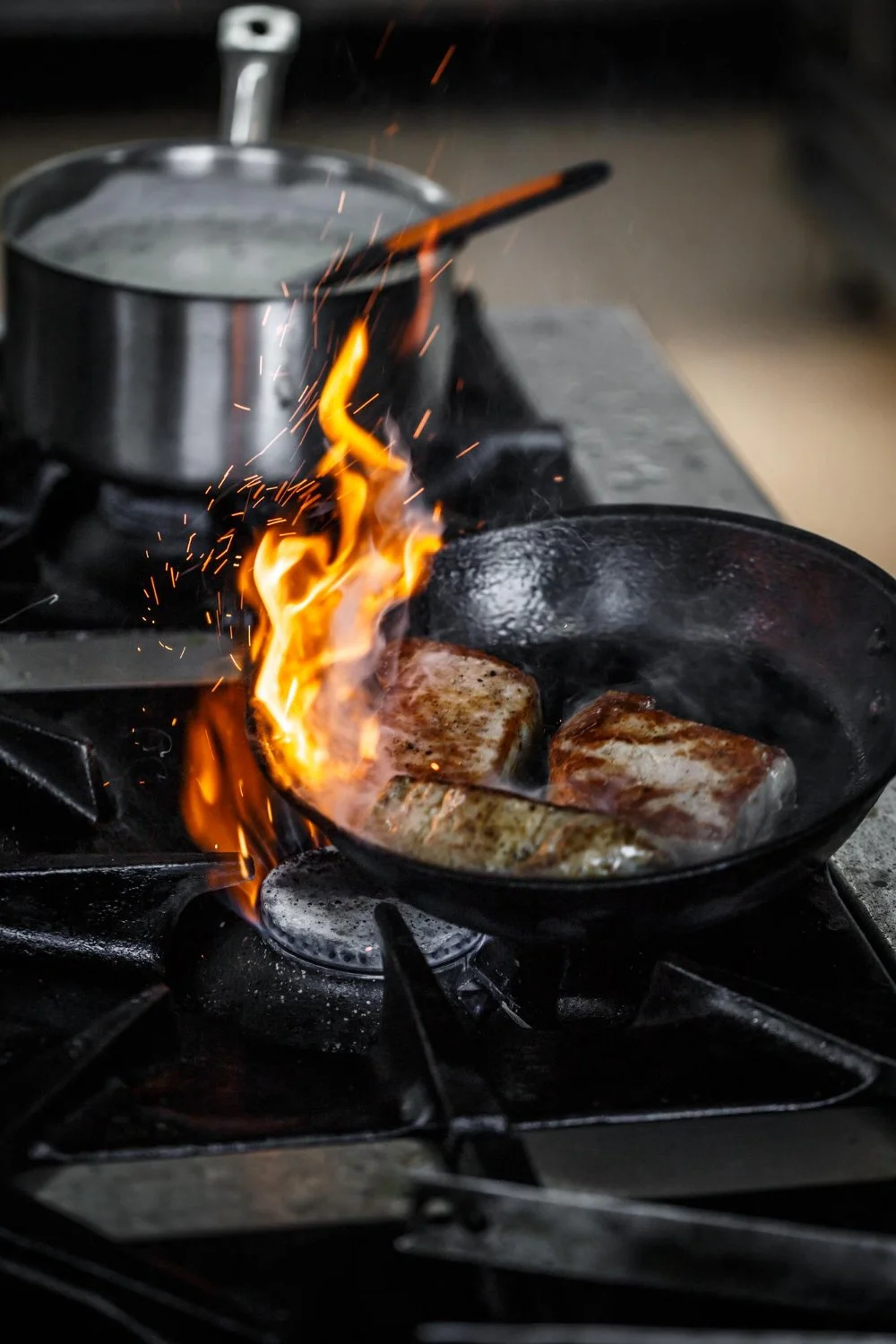
Cast-Iron Asian Pepper Steak
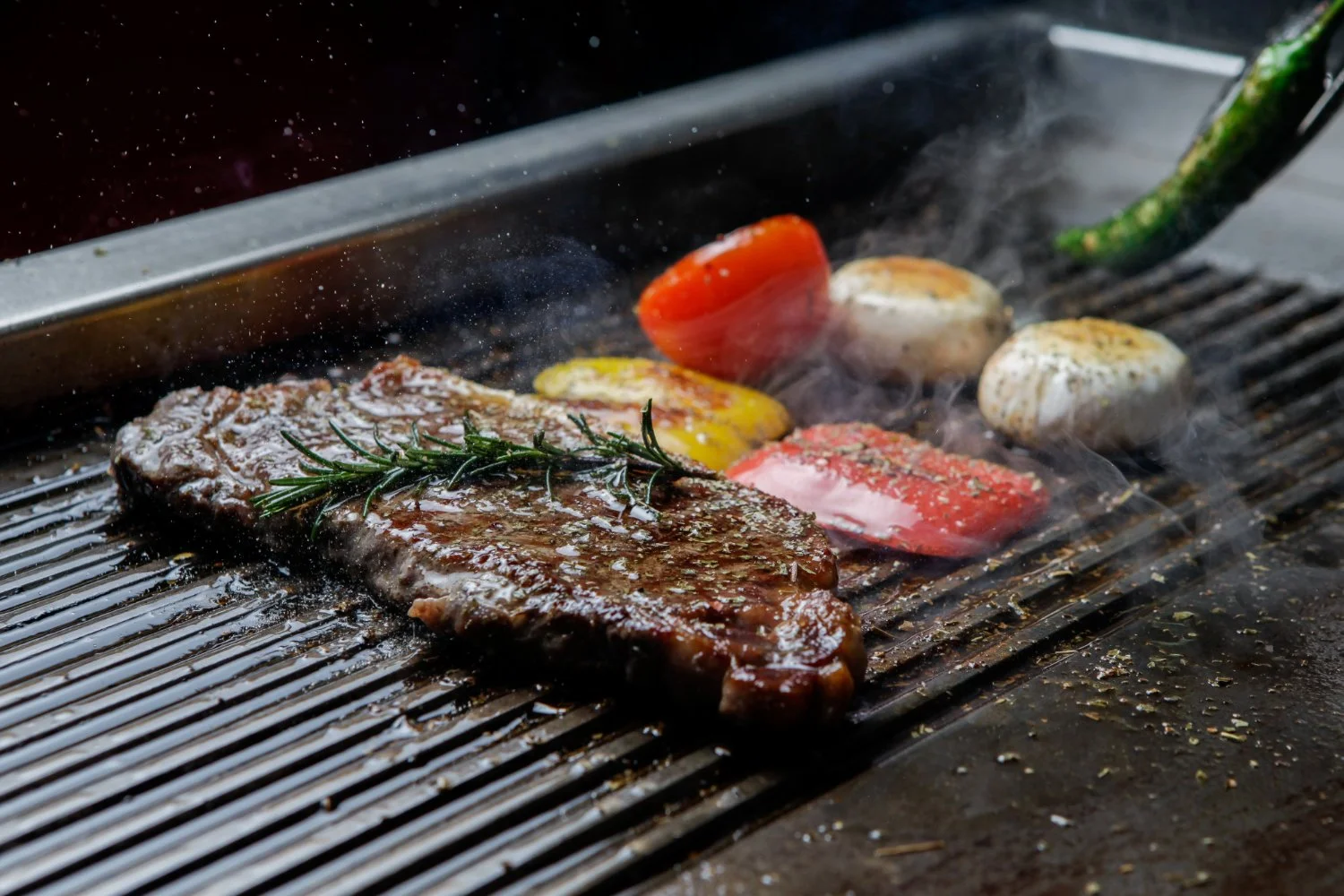
The sizzle raises salivation before aroma even lands.Hot Plate Halloumi with Lemon Oil
Sharp squeak meets hiss. Salty, bright, confident.
The Quiet Luxury
Minimal sound, maximum focus - Silence can be just as deliberate.
Silken Tofu with Warm Dashi & Oil
Almost no sound. Forces attention onto aroma, temperature and mouthfeel.Slow-Poached Fish with Beurre Blanc
Soft cut, no crunch. Intimacy food. Best eaten in low-noise rooms.
Interactive & Playful
Sound as participation
Chocolate Shell Dessert
The break is the moment. Everyone looks up.Popping Candy Citrus Sorbet
Audible fizz in the mouth. Childhood joy with grown-up restraint.

Related Article