Winter flavour: building depth, warmth and memory on the plate
/by Chef Adam Moore
The Winter season asks more from a chef than technical execution. Winter is where flavour becomes architecture. As every great chef knows, the foundation begins with what many call the holy trinity of flavour.
Flavour is built in layers. In French cuisine it’s mirepoix onion, carrot and celery. In Cajun cooking, onion, celery and capsicum. In Italian kitchens, soffritto onions, carrots and celery. In many Asian kitchens, ginger, garlic and spring onion become the backbone of countless dishes.
Different ingredients – same philosophy. The great mistake young chefs make is believing flavour comes from the final garnish. It rarely does. Flavour begins at the bottom of the pot.
The five layers great chefs chase
1. Foundation
Stocks, roasted bones, fermented pastes, rendered fats, browned butter, mushroom powder, anchovy, kombu, Parmesan rinds – these create depth that guests often cannot identify but deeply sense.
A beef stew without anchovy tastes flatter. A mushroom soup without soy or miso lacks shadow. A pumpkin velouté without acid feels sleepy
2. Sweetness
Not sugar but natural sweetness. Like roasted root vegetables, slow cooked shallots, burnt pumpkin edges, charred leeks and sweet wine reductions.
Try roasting carrots in beef fat with coffee grounds and cumin until nearly blackened at the edges. The result tastes almost firepit-like.
3. Acidity
The ‘hidden conductor’, acid sharpens richness. Like pickled mustard seeds in braised lamb, verjuice in mushroom ragù, black vinegar in slow braised pork, fermented plum beside duck.
4. Umami
This is where chefs can truly become artists.
A teaspoon of white soy, aged miso, black garlic, fermented honey can transform an entire dish from pleasant to unforgettable.
One of the most powerful combinations in modern winter cooking is roasted mushroom, burnt onion and miso caramel.
5. Aroma
People remember aroma more than flavour itself. Aromatics – like juniper, bay leaf, star anise – create emotional memory.
This is why a customer can forget the garnish but remember the dish for ten years.
The new winter pantry
Chefs today should stop limiting winter flavour to predictable comfort food.
Winter flavour today is global. The modern winter kitchen belongs to chefs willing to blend cultures respectfully while understanding the science beneath flavour. Because flavour has no borders.
Imagine:
• Burnt butter congee with crispy chicken skin and fermented chilli oil
• Lamb neck glazed with stout and braised lentils
• Charred cabbage with smoked tahini and macadamia dukkah
• Potato purée infused with kombu and brown butter
• Beef shin pie with black garlic gravy and roasted bone marrow salt
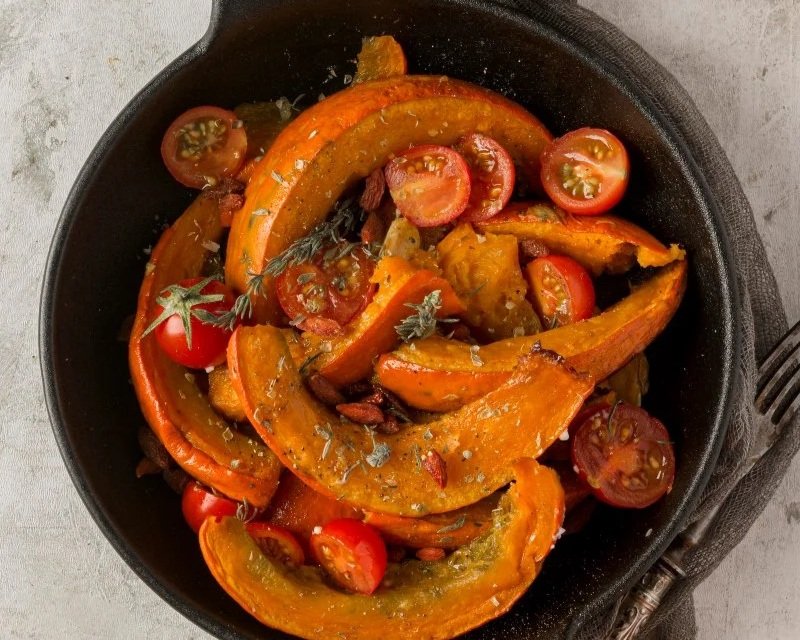
• Coal roasted pumpkin with maple, miso and wattleseed
• Duck broth with star anise, mushroom soy and caramelised onion oil
• Slow braised short rib with coffee, cocoa and ancho chilli
The future of winter flavour
The future of winter cooking belongs to chefs who understand flavour as both science and emotion.
The next wave of winter cuisine will lean into fermentation, smoke, ageing, controlled caramelisation and precision layering. Chefs will treat flavour like perfumers treat fragrance, building top notes, heart notes and deep lingering base notes.
Vegetables will no longer play supporting roles.
Imagine smoked beetroot glazed like char siu.
Celeriac aged like cheese.
Onion broths as complex as consommé.
Roasted cauliflower amplified with brown butter, yeast and black lime.
The future will also belong to chefs who master contrasts: rich but bright. Comforting but elegant. Rustic yet refined.
Guests are craving food that feels emotionally grounding while still surprising them intellectually. That is the challenge of modern winter cooking: to create dishes that feel ancient and futuristic at the same time.
Related articles