
INSIDE FOODSERVICE: Why spices and dairy are a perfect match
/Smart Business advice for Foodservice Professionals. Bega Foodservice's Caroline Westmore explores how spices and dairy work together to build flavour and award-winning Sydney restaurant Delhi 'O' Delhi founder/owner Javed Khan talks about the innovative use of spices on its menu


Bega Foodservice Corporate Chef Caroline Westmore
“Consumers are looking for variety, and a really fun and cost-effective way to mix up the menu is to experiment with spices.” That’s the word from Bega Foodservice Corporate Chef Caroline Westmore, who’s recently devised a selection of recipes showcasing how spices work effectively with dairy products for the latest edition of the free Bega Foodservice Flavour Passport.
“Spices are such an easy way to enhance the flavours of your dishes and they’re so simple to work with”
Listen
Having worked for a major spice supplier for 14 years, Caroline is extremely well-versed in how to make the most of spices in your food. “Spices are such an easy way to enhance the flavours of your dishes and they’re so simple to work with,” she says. “They have a shelf life of more than 12 months, they don’t take up much room in the pantry and they allow you to expand your menu options at relatively low cost. One week you can put on a smoky paprika chicken with sour cream, the next you might offer a butter chicken made with cooking cream and fresh coriander. You’ve only changed your dairy product and your spices, so it’s a really good way to mix up your specials board while still keeping the meals familiar to customers.”
Follow these simple rules for effective spice use
Caroline says there are a few simple rules for using spices effectively. “Many people don’t realise that spices fall into three categories. The first is amalgamating spices, which are your base to bridge or balance contrasting flavours, and these pair really well with dairy products because they tend to lengthen flavour. Amalgamating spices when used with dairy can bring a mild, earthy, warming base to life. You then add in your pungent and hot spices, and your sweet and warm spices, which are the other two categories, at the back end.
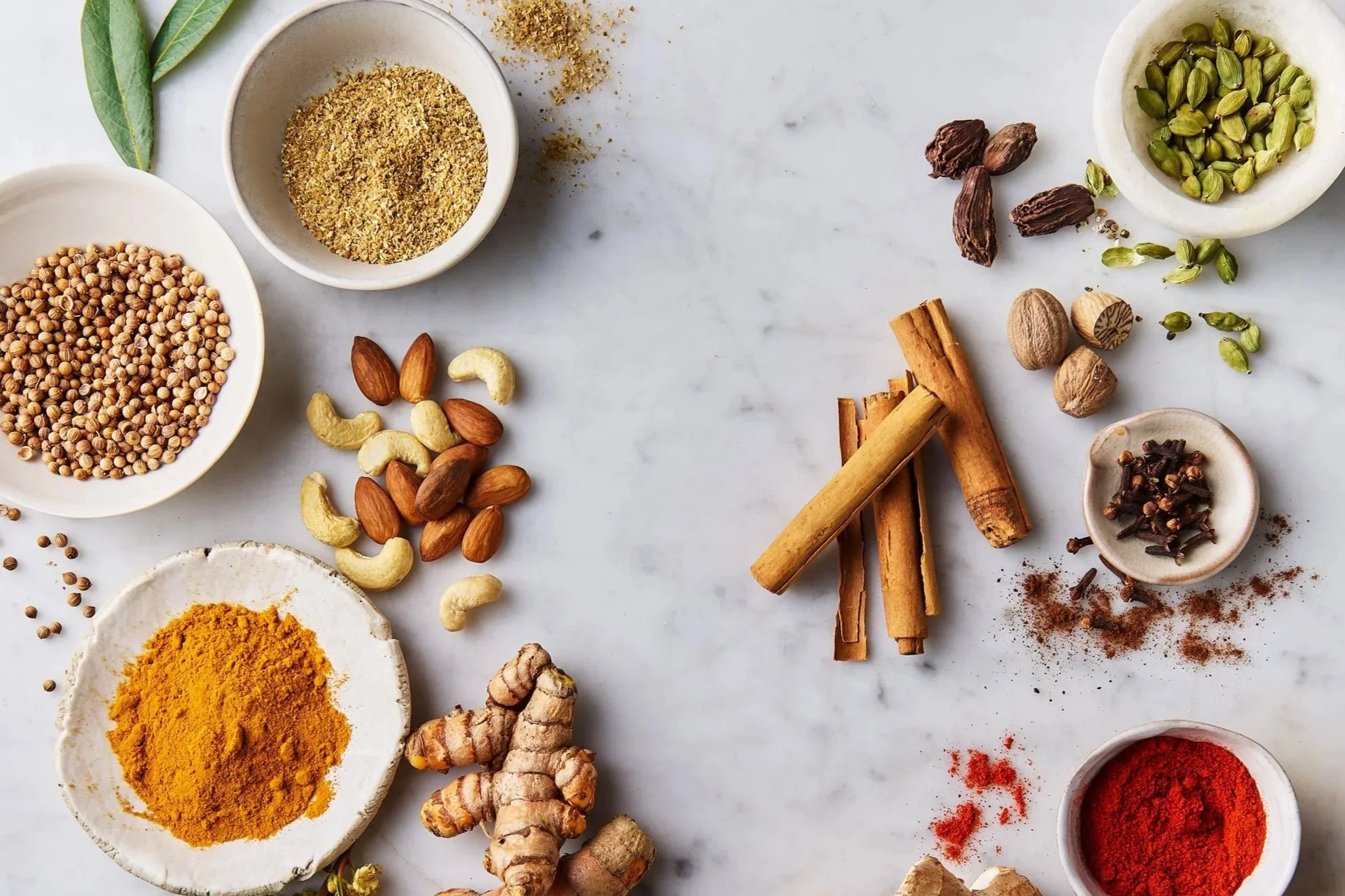
“For example, you can create a basic recipe for a creamy Indian style curry using amalgamating spices like coriander seed, which imparts a mild, citrusy flavour, and turmeric which brings an earthy note. These pair well with cream. You then top off with the pungent and hot spices like ginger and chilli, and the sweet and warm spices like cardamom and cumin.”
Classifying spices in this way makes more sense than thinking of them as either savoury or sweet – especially given that many spices suit both applications. “A warm spice like cardamom, which we typically associate with savoury curries and rice dishes, was traditionally used as a sweet spice in European cuisine. It pairs very well with vanilla, which is another amalgamating spice, and orange which has a pungent flavour, for example in a panna cotta.”
“Yogurt and cream are particularly useful in Indian, Spanish and Mexican dishes for lengthening and smoothing out a variety of spice flavours”
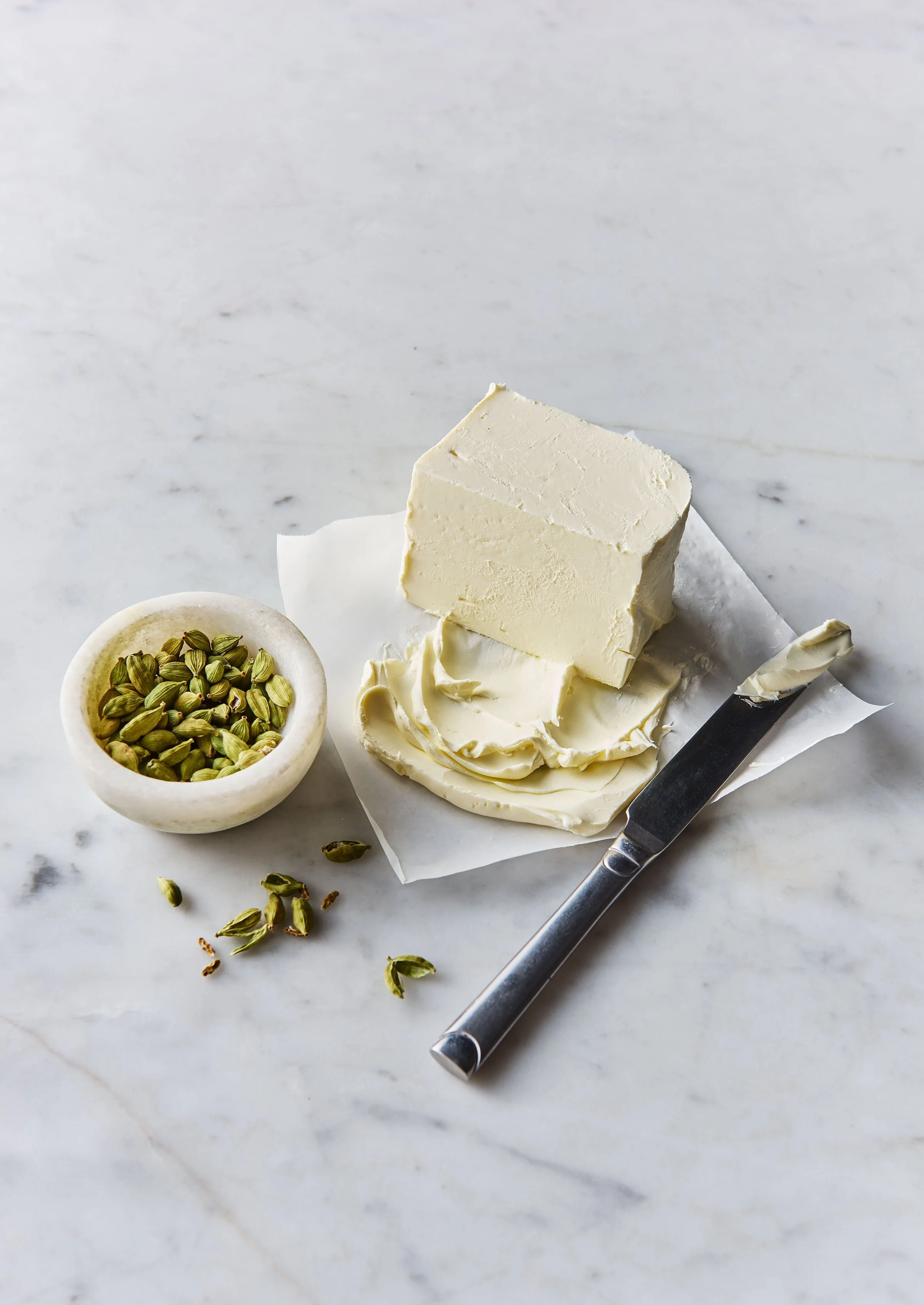
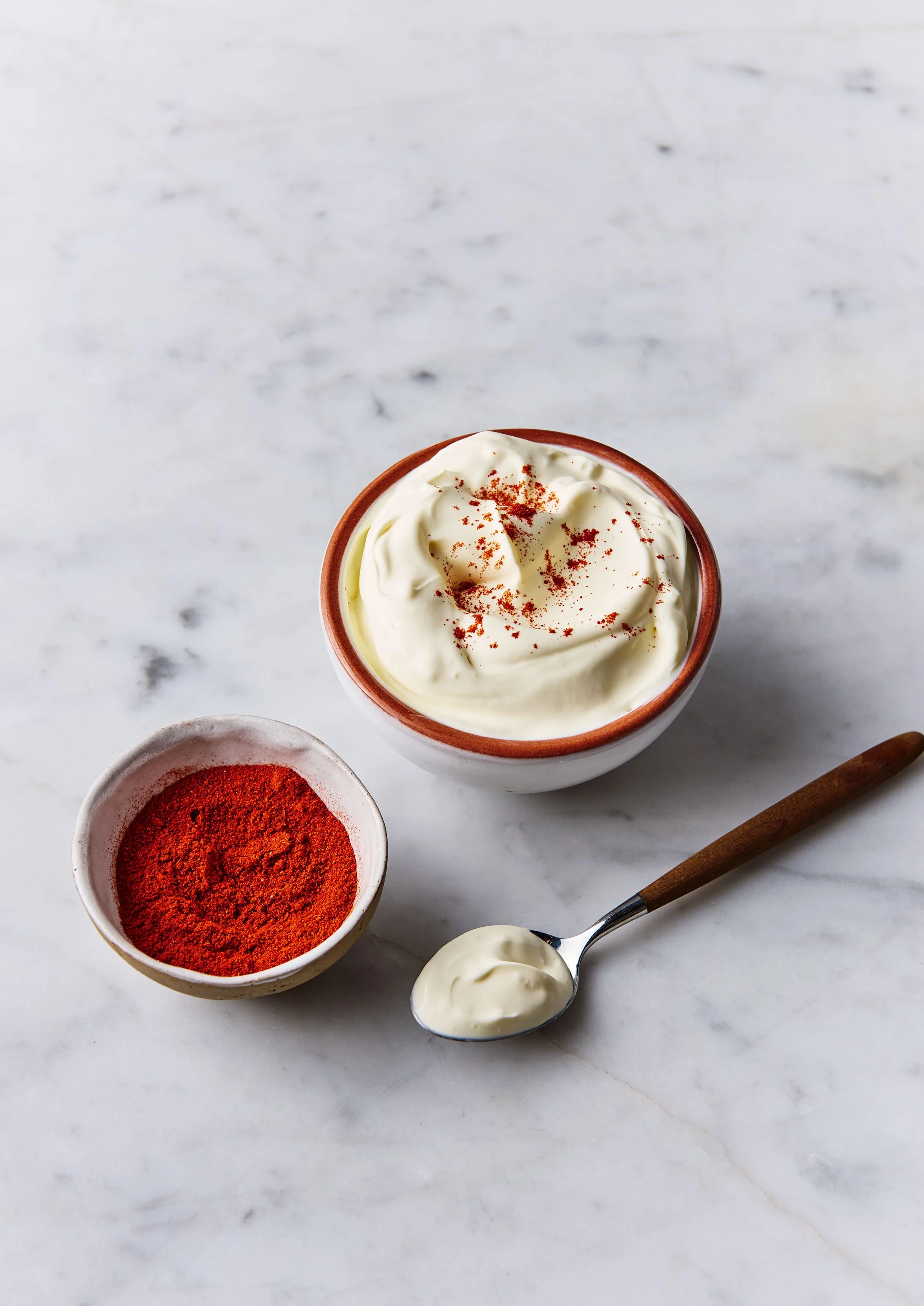
Caroline adds there’s no need to be cautious of using spices, as long as you blend according to the principles above. “Always remember to start with your amalgamating spices and dairy: cream, yogurt and products like Dairy Farmers Cooking Cream are all great choices for curries. Yogurt and cream are particularly useful in Indian, Spanish and Mexican dishes for lengthening and smoothing out a variety of spice flavours, and of course butter and clarified butter (ghee) are used extensively with spices as well.”
Getting your spice mix right
“A good rule of thumb is that your amalgamating spice component should be about 50 per cent of your total spice mix. So if you’re doing a Mexican dish, half of your spice might be paprika and a quarter cumin, 15 per cent oregano and so on. For a chicken curry recipe, I’d use 50 per cent amalgamating spice combinations, 25 per cent pungent and hot spices and 25 per cent warm and sweet. You can mix and match to create your own curry blend.
She also says many people worry about using too much spice in a dish and end up not using enough. “If you’re using dried spice from a jar, you might need to use the whole jar for one dish – if you’re making a curry you really should be using five tablespoons or more. You need quite a lot of spice to deliver the pungency of flavour, so don’t be scared of using more of your amalgamating spices because those will give you the balancing undernotes. It’s the spices which add heat, like pepper and chilli, that you need to temper because those amounts can make or break a dish. The same is the case with spices that are particularly aromatic or pungent: ginger is actually quite a hot spice and it’s very aromatic, so too much can overpower your dish. That’s also the case with cumin, which is very earthy.
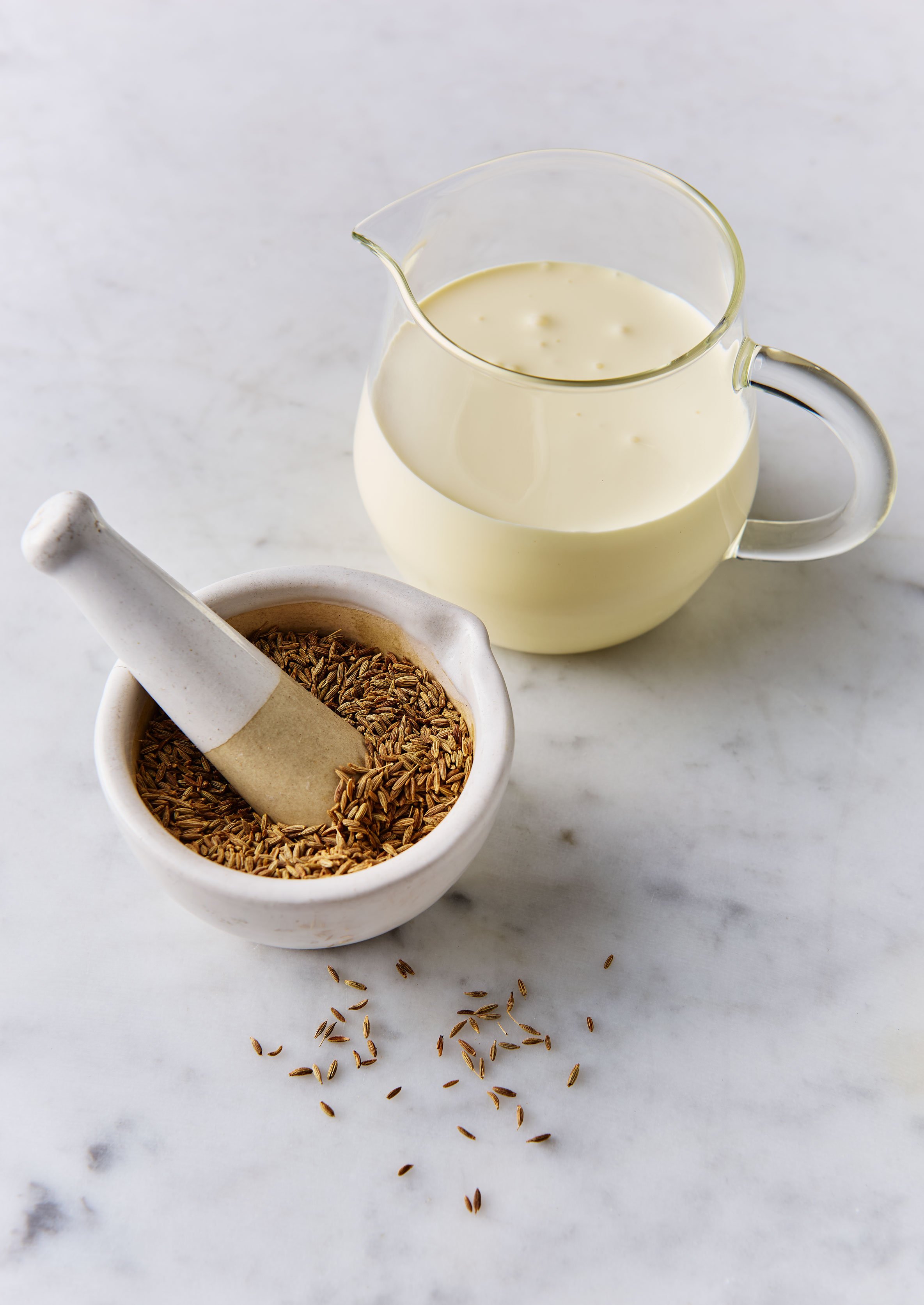
Dairy Farmers Cooking Cream and Cumin Seeds
“If you start by frying off your amalgamating spices, then add some dairy like Dairy Farmers Cooking Cream, that’s a good way to taste what your base is like and make sure it’s properly balanced. It’s easy to adjust your pungent and warm spices at the end but you’ve got to get your amalgamating spices right at the start. And because dairy is such a great flavour carrier, once you’ve created the right spice blend of all three different categories, dairy will work to stabilise those flavours within a sauce: it’s almost as if it traps the flavour in.
“As cheese ages it gets that matured flavour and aroma – so your cheddars and tasty cheeses pair much better with earthy spices like cumin and paprika”
“And being unctuous, your dairy based sauce will cling to your food, ensuring the flavours permeate – which is why dairy and spices are a perfect match. And you can vary your dairy component depending on what spices you’re using – for example if you’re blending cardamom, vanilla and orange then you don’t want a tangy dairy element, so you would use cream or thickened cream, whereas earthy spices like cumin will pair beautifully with yogurt, because its tangy sourness cuts through the earthiness. Mexican cuisine uses a lot of cumin and dried oregano, so sour cream or yogurt blends well with it.“
Cheese is another dairy product which works well with spice. “Young cheeses like ricotta pairs with cardamom and vanilla in cheesecake, then as cheese ages it gets that matured flavour and aroma – so your cheddars and tasty cheeses pair much better with those earthy spices like cumin and paprika.”

Innovative spice use sets Delhi ‘O’ Delhi apart

Delhi 'O' Delhi founder and owner Javed Khan
A great example of a restaurant doing wonderful work with spices is Delhi ‘O’ Delhi in Sydney’s Newtown, which for the past two years has been named National Indian Restaurant Winner in the Restaurant & Catering Hostplus Awards for Excellence. Founder and owner Javed Khan, himself a trained chef, works closely with his Head Chef Kailash to create memorable dishes which keep customers coming back.
“We always work on the menu together – we’re very focused on telling the stories of Indian regional culture in our food,” Javed says. “I’m also wearing another hat in that I’m in front of house and I have to make sure what we’re doing is commercial, but at the end of the day we both share the same goal of producing food which our guests will appreciate without compromising the authenticity of our approach.”
“Our motto is we don’t serve any customers here, we serve guests – I tell that to everyone I hire”
Javed describes the ambience at Delhi ‘O’ Delhi as semiformal: “I’m old school, we have white tablecloths and we pride ourselves on our service. Sometimes when you put the tag ‘high end’ on a restaurant people think that means expensive, but to me it’s all about your approach to how you serve. Good food and flavours can be achieved without charging an arm and a leg. Our motto is we don’t serve any customers here, we serve guests – I tell that to everyone I hire. Customers can be found everywhere, but when you walk through our doors you are treated as a guest, and in our culture the guest is god.”

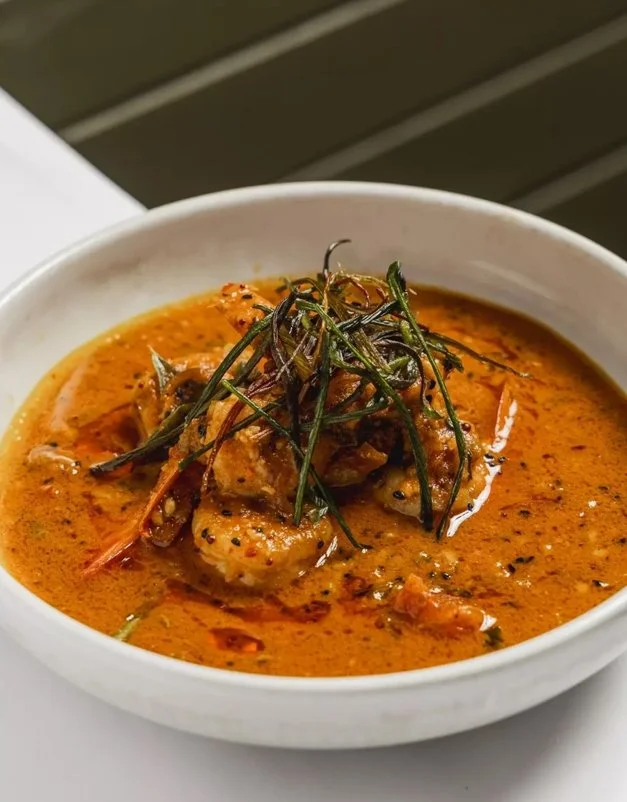
Showcasing the depth and diversity of Indian food
What sets Delhi ‘O’ Delhi apart from the competition is partly its innovative use of spices on the menu. “Unfortunately in the western world, most people think of Indian cuisine in terms of South or North Indian, whereas we think differently. Delhi ‘O’ Delhi has always been about showcasing the depth and diversity of Indian food, rather than just serving something hot, which is a misconception that some people have.
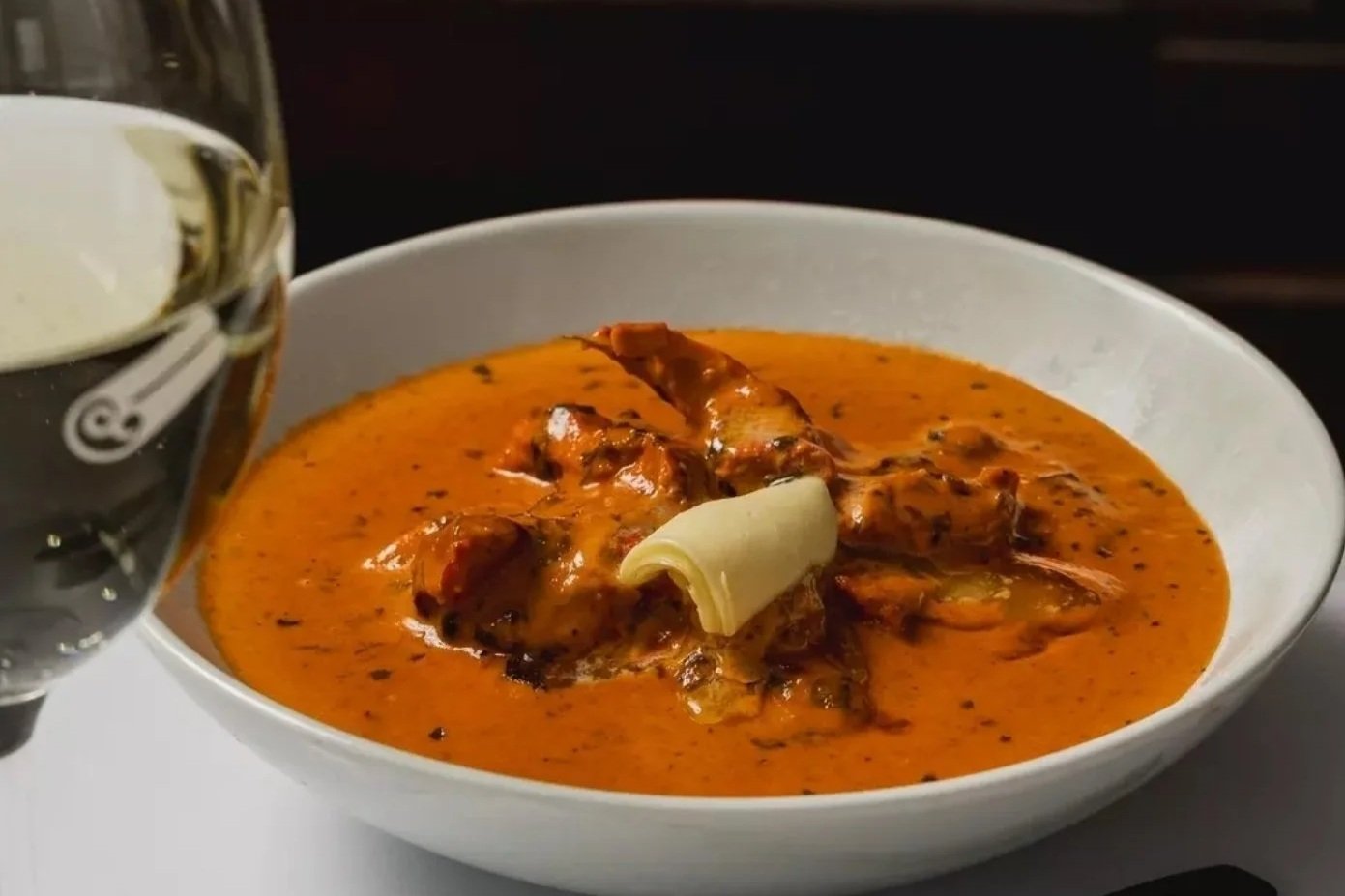
“For us, spices are part of the language of Indian cuisine and they’re about much more than just heat. They create aroma, texture and depth to what we serve at the table. To give one example, the spices we use in our butter chicken are there to support the tomato and the cultured butter that we use – this helps retain the smokiness of the chicken and the acidity of the tomato, and also imparts an aromatic balance.
“For us, spices are part of the language of Indian cuisine and they’re about much more than just heat”
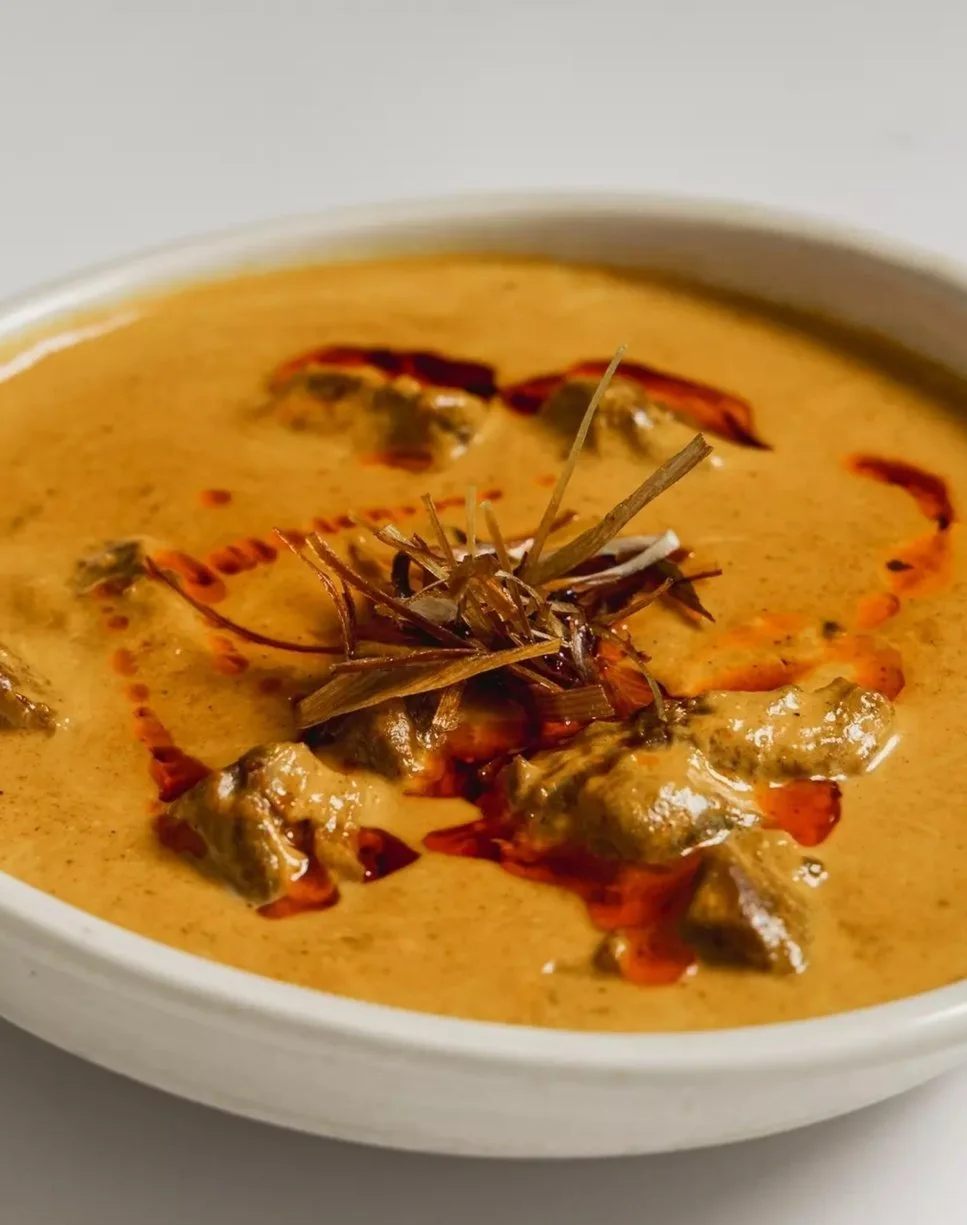
camel meat curry cooked with coconut, coriander seeds and fenugreek
“We also have a camel meat curry cooked with coconut, coriander seeds and fenugreek. Our Head Chef initially wasn’t so keen on this because we’ve used his grandmother’s recipe but changed the protein because camel is not widely eaten in India. But the flavours of the curry recipe are wonderful – we roast the spices, then add the coconut which helps balance them and it imparts a beautiful texture and flavour. And I wanted to use the recipe with a locally available protein, so we chose camel and in the five years it’s been on the menu we’ve never changed it. Every now and then we bring tasting samples to the table and people say they would never have guessed it was camel.”
Magic of Javed’s mother’s recipe
The goat aloo on the menu, which features diced goat and potato slow cooked in spices and topped with a signature broiled masala blend, is Javed’s mother’s recipe. “Growing up in India with nine siblings, we would get a non-vegetarian dish once a week after Friday prayer, and this is a classic example of how when you use your spices cleverly it can change the game. My mother would cook the onions and once they were browned was when the magic started. She’d pick coriander seeds, throw in some fresh coriander, fresh cumin seeds and black pepper on the hot plate, take it off and bash them with a rolling pin, then sprinkle on top. I’m getting goosebumps as I’m talking about it because I remember the aroma of the spices and it takes me back to my childhood home. Unfortunately my mum is no longer with us but her recipe is still here.”
Javed is proud of his restaurant, his team and their latest award win. “We’ve started the 19th year of our journey and I’m proud of the fact that we’ve had only had two head chefs in all that time – our first was with us for 10 years – and we’ve had our current restaurant manager for 10 years. The award is recognition of what we’re trying to do, which always makes you feel special. I would say this award represents our commitment to presenting our cuisine to our guests and the hard work our team has done. You’re only as good as your team so I don’t take the credit, I give it to our loyal guests and loyal team members.”