INSIDE FOODSERVICE: The virtual restaurant concept: supplementing your foodservice revenue stream through secondary ‘virtual brands’
/
The advent of online order apps like Uber Eats has facilitated the rise of a new concept in foodservice – known as the virtual restaurant, kitchen or food court. This refers to operating multiple foodservice brands out of the same kitchen and making them available exclusively for takeaway and home delivery.
Some foodservice operators are now offering than a dozen different brands representing popular cuisine styles from burgers to Middle Eastern to Greek to Mexican and beyond, all produced by the same kitchen and staff, with the brands marketed to their customers via order apps.
Listen to the podcast
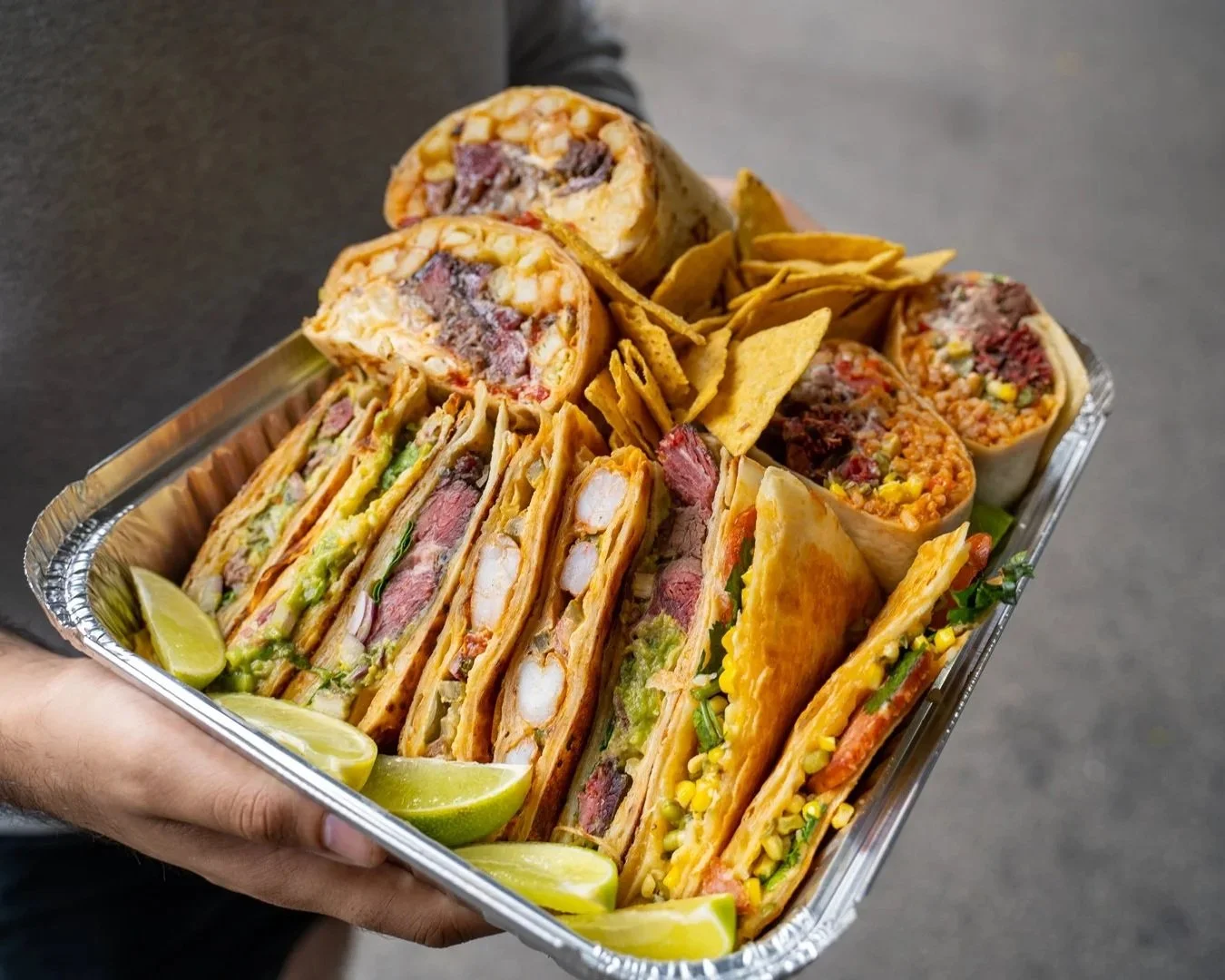
While some of these operations have no dine-in premises at all, established dine-in businesses are also able to profit by utilising the virtual restaurant concept as a supplemental revenue stream, offering a variety of secondary brand menus produced in the same kitchen as that of their primary brand.
Pioneering the ‘virtual restaurant’ concept
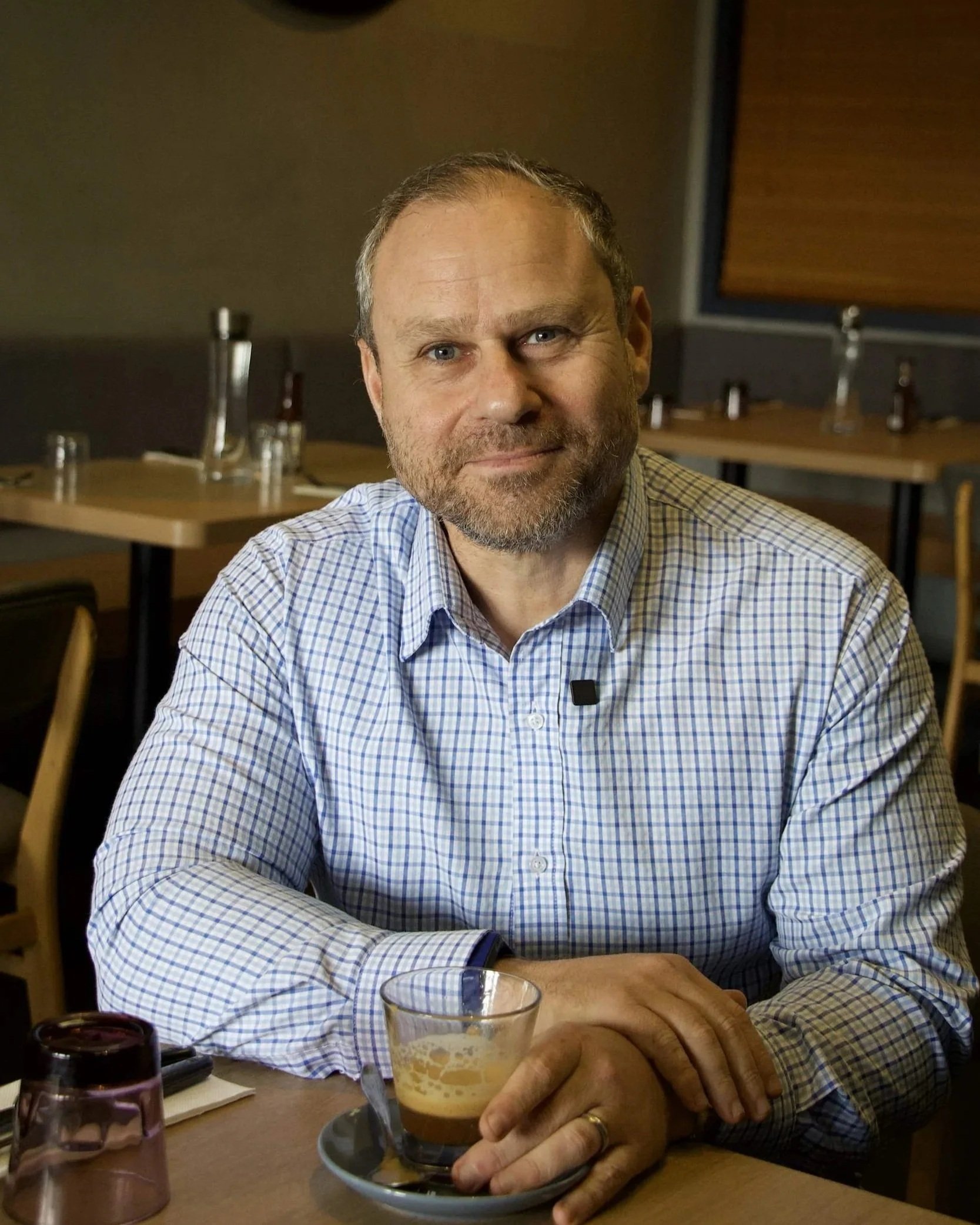
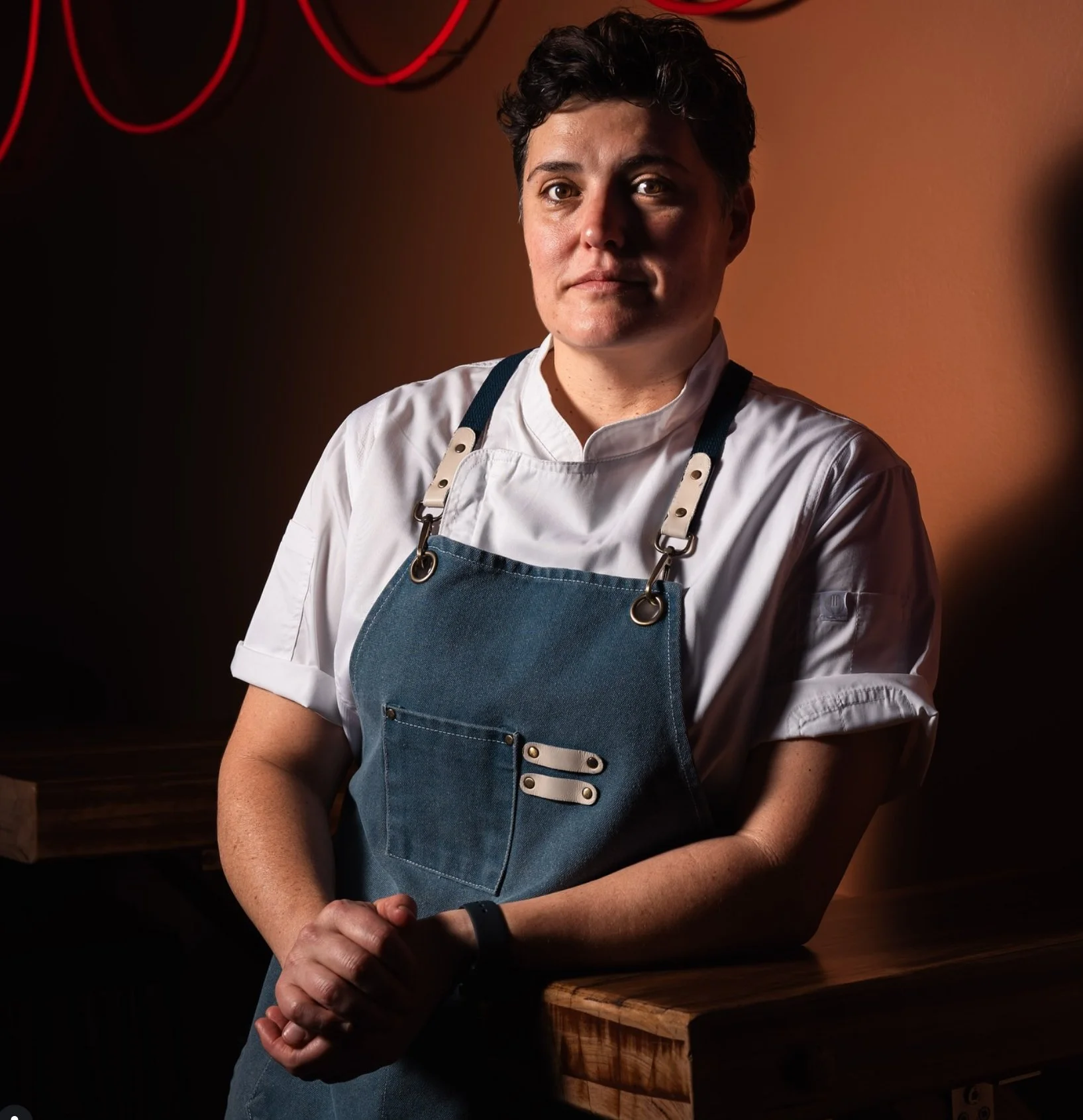
Third wave bbq founder Greg Rips
That’s the approach taken by entrepreneurial foodservice business owner Greg Rips, one of the pioneers of the virtual kitchen concept in the Melbourne market. Greg’s primary brand is Third Wave BBQ, which was established in 2010 and has built its reputation on offering an authentic American barbecue menu, featuring slow cooked smoked meats complemented by burgers and chips.
“Our range includes Texas style beef brisket, pork ribs, beef ribs, pork belly, lamb shoulder, whole chicken, chicken wings, sausages and more,” Greg tells us. “The meats are smoked with hickory, maple and apple woods for an authentic American barbecue flavour and presentation – and they’re slow cooked, which is the opposite of the typical Aussie barbie approach! The idea is to cook the meat as slowly as possible, usually at 110-120 degrees for up to 20 hours. We were one of the first in Australia to serve this style and as far as I can tell we were the second in Melbourne to offer it. We currently have six venues, some of which are corporate-owned and others franchised, and we are expecting to double that by the end of this year.”
Third Wave introduced the virtual restaurant concept for its kitchens back in around 2013: “When we started doing it, there was no name for it,” Greg remembers. “I coined the name virtual restaurant because there is no physical premises where customers experience the brand – it only exists online. The reason was simply to find a way to maximise the utilisation of our kitchen.
“We realised we could offer different brands utilising many of the same ingredients in their menu”
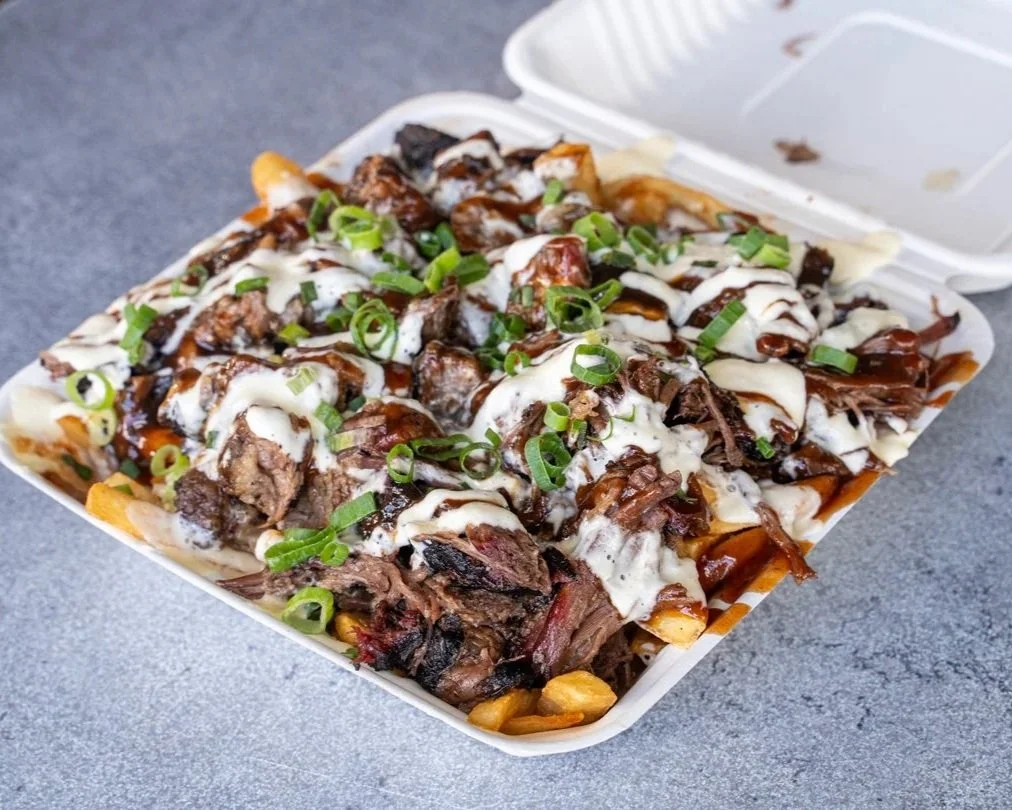
“It seemed obvious to me that when the restaurant is quiet, all those resources are sitting there un-utilised, and they’re a fixed expense, they’re not variable. So the question was, how can we utilise the kitchen to a greater degree than our existing restaurant brand allows us to do? And what we realised was we could offer different brands utilising many of the same ingredients in their menus, without adding much in the way of further resources to the kitchen.”
Accessing a bigger potential customer base
Third Wave pioneered the concept in the pre-Uber Eats days – back when “Menulog was the only player in town” for online order apps, as Greg puts it. “That was problematic because Menulog didn’t have their own fleet – so you had to be responsible for your delivery drivers, which meant instead of focusing on foodservice you were focusing on logistics. But once Uber Eats came into the market with their own drivers, it changed everything – in a way it democratized the market by removing the barriers to entry. Before that there were loads of restaurants who would never have considered offering delivery, but Uber has made it possible for anyone to sell food to customers for consumption in their home. From our perspective, it doesn’t take any extra effort to pack food in a delivery box instead of serving it on a plate. The consumer has won big time because they now have lots more choice, but for the foodservice sector it’s meant a lot more competition.
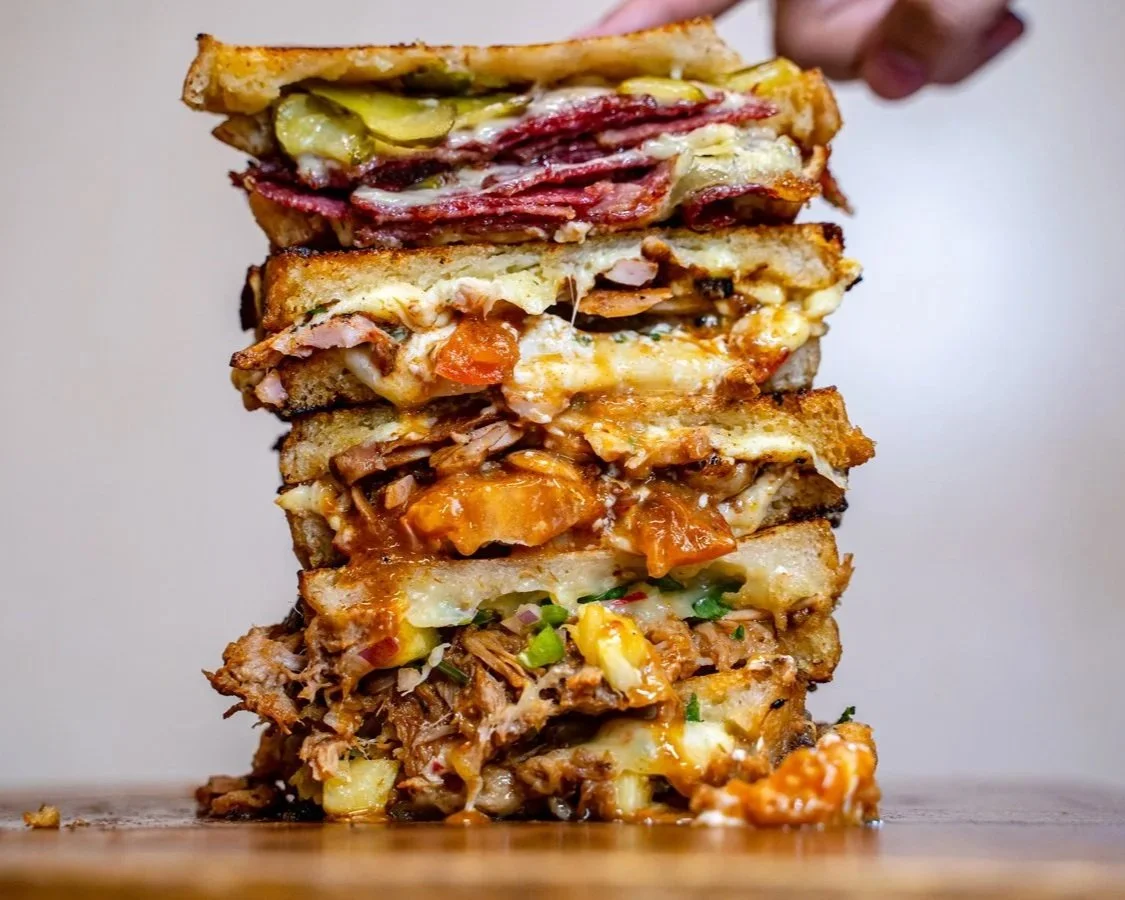
FOOD FROM ChubsToasties Virtual restaurant
“With virtual restaurant brands there’s zero marketing costs because Uber does all the marketing for you”
“The flipside of that is through Uber Eats you have access to a much bigger potential customer base. And with virtual restaurant brands there’s zero marketing costs because Uber does all the marketing for you. It’s like a business in a box, as soon as you publish yourself on their platform you’re making your food available to all their customers. Yes, you’re paying 30 to 35 per cent commission to them but you would likely spend more than that on marketing anyway if you had to do it yourself.
“The only prerequisite from your end is to come up with a brand name and logo design and frankly you can create that in an hour using AI, for free, and get something of better value than in the old days when you had to go and pay a designer. So that element is no longer a barrier to entry because it’s now so easy to execute. And the great thing about a virtual restaurant brand is you can turn it on or off as required – you just deactivate it when you don’t need it and then it won’t appear in customers’ app searches.”
Multiple virtual brands across different kitchens
Greg says he has lost track of how many virtual brands he’s created and put up on Uber Eats. “I would say we have around eight to ten currently, but not all are active or live at the same time or at the same restaurant. Each of our six restaurants runs up to four virtual brands, none of them have just one. But all our brands have one thing in common – their menus all use the same main ingredients from our kitchen, they simply repackage them in a different way.
“We have around eight to ten brands currently, but not all are active or live at the same time”
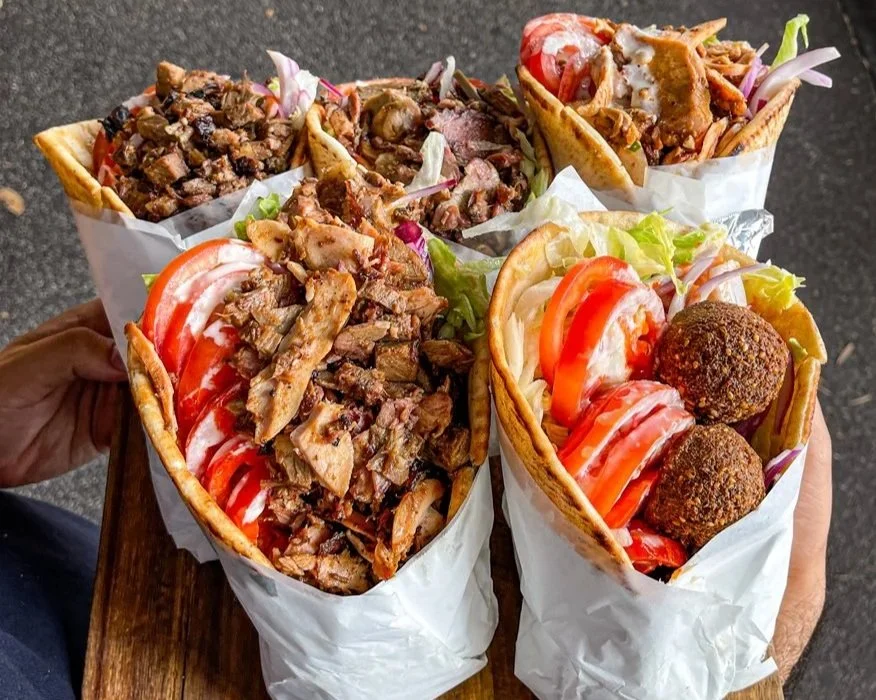
“For example, one of our virtual brands is Skordo, which is Greek souvlaki style dishes. All the meats in those dishes are the same slow cooked barbecue meats we use for Third Wave – which may not be the traditional Greek approach, but it’s still tasty, satisfying food. We also have a Middle Eastern brand which again uses those same slow cooked meats – all our red meat is Halal – across eight to ten different kebabs. We have Creative Bowl which uses those same meats in protein bowls, and we have a toastie brand with 12 different toasties made with those same meats and various combinations of cheeses which we already had on our primary Third Wave menus.
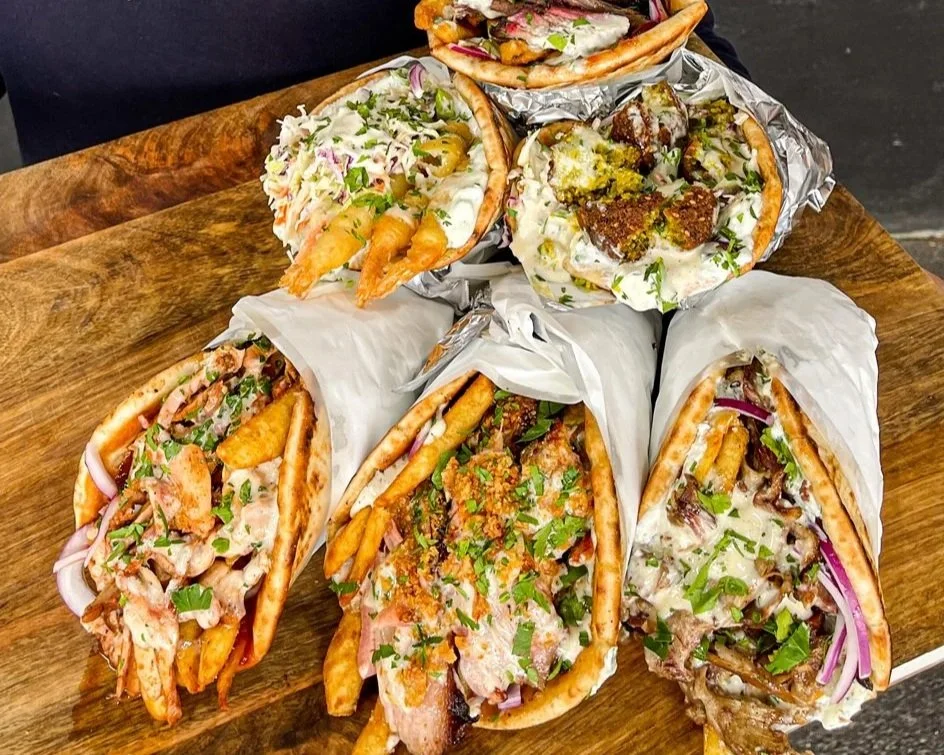
Skordo Virtual Restaurant FOOD
Understand the concept is an ‘add-on’
“Yes, our approach is not ‘purity of cuisine’ in the sense that we’re adapting these cuisine styles to work with our existing ingredients, but I would argue the whole thrust of the hospitality industry is towards fusion cuisine these days. We have a Mexican brand – is it ‘pure’ Mexican? No. Is it tasty? Yes it is.
What’s most important to the customer is the taste and presentation and being satisfied with the meal.”
While he is a keen proponent of the business benefits of the virtual kitchen concept, Greg also cautions about expecting too much from it: “For us it’s a bonus, an extra revenue stream that is reasonably easy to put in place and doesn’t interfere with the normal operation of our primary brand which is Third Wave. It doesn’t affect the flow of the kitchen because if it gets too busy you can turn it off, as I said earlier. What you don’t want to do is start a secondary business out of the same kitchen that you’re using for your primary brand and end up ruining both because you can’t cope with the demand.
“Your primary brand is still the most important ... this just adds a little extra revenue and profit”
“So I think for anyone thinking of going with the concept, you need to understand it as an add-on that’s not as important as your main business brand. It’s very much a secondary thing, it’s there to support and add value and nothing else. So you can’t really be married to it too much – your primary brand is still the most important aspect of what you do, this just adds a little extra revenue and profit.
You need 80 per cent overlap with existing ingredients
“You also need to be very conscious of any additional resource requirement that this new revenue stream might bring with it, because if it’s too much it’s going to break the flow of the kitchen. The way to get around that is to ensure that whatever you create is very much complementary to the ingredient mix you already have. If you create a new brand which doesn’t have 80 per cent overlap with your existing ingredients, you’ll cause yourself a massive amount of trouble. Instead, what you need to do is think of it as I said earlier – repackaging the ingredients you’re already using, putting them into a different package to your primary brand.
“For us at Third Wave it’s not just about our slow cooked meats but a lot of other items on our pantry list – we always aim to overlap about 80 per cent of our existing ingredients to any new secondary brand. We only want to have to bring in an additional 20 per cent at most.”
Related articles