INSIDE FOODSERVICE: Catering to the ‘protein plus’ menu trend
/
“Every nutrition trend has its moment in the spotlight – we’ve had low fat, low sugar, no sugar, and now people are realising protein is something really important within a balanced diet.” That’s the word from Bega Foodservice Corporate Chef Caroline Westmore on the burgeoning ‘protein plus’ menu trend, which is seeing demand for high protein meals growing on foodservice menus.
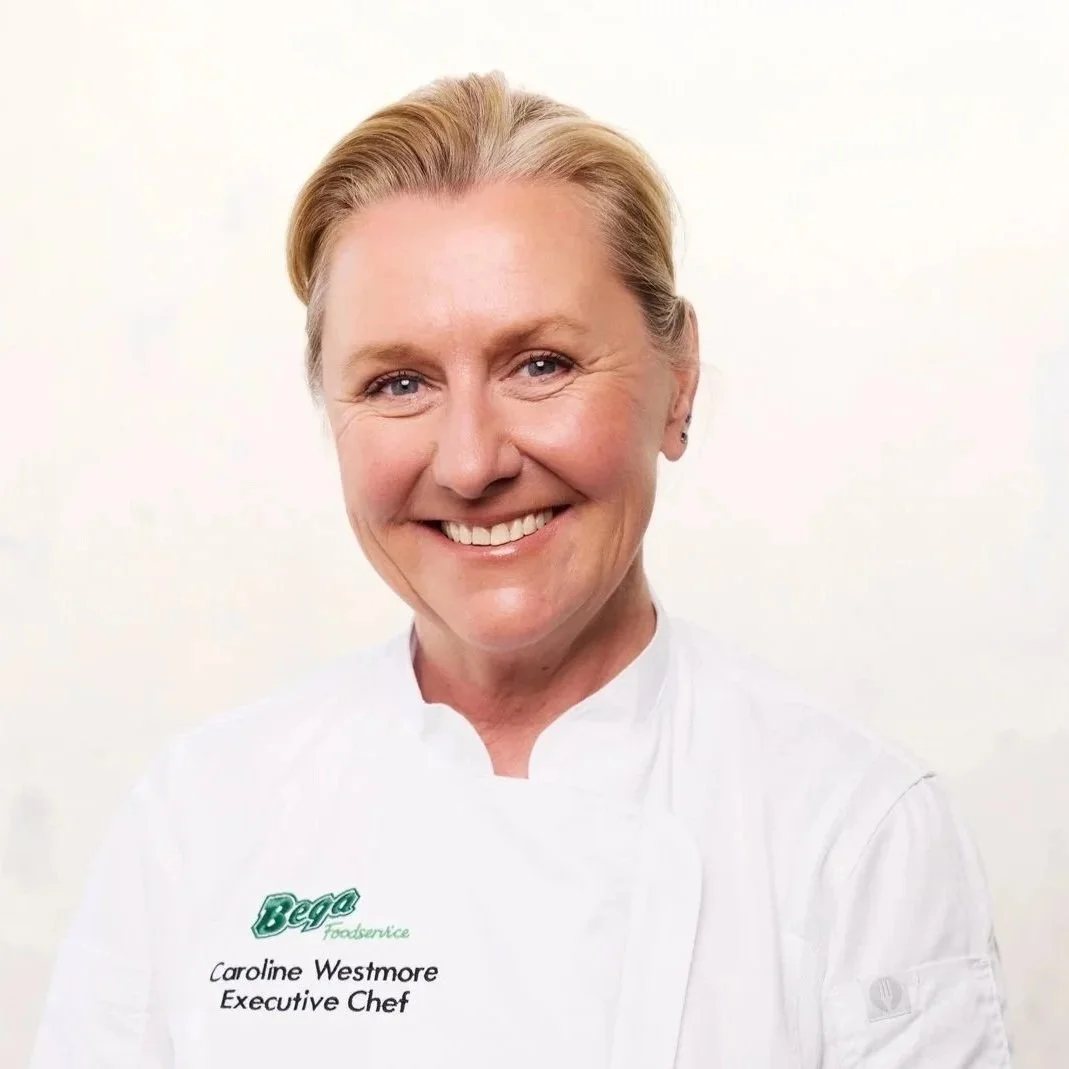
caroline westmore
The surging interest in protein began in retail, with supermarket shelf product packaging calling out product fortified claims. QSRS have also been quick to jump on the bandwagon – such as Starbucks selling choc protein cold foam iced coffees, McDonalds calling out protein claims on its meals, and Guzman y Gomez giving customers the option of doubling up their protein by adding extra beef, chicken or pork to meals.
An essential macronutrient
This demand for more protein is being driven in part by the growing popularity of GLP-1 weight loss treatments such as Ozempic, which are designed to stimulate insulin secretion, lower blood sugar and suppress appetite. To compensate for the loss of muscle mass that comes with weight loss, people on GLP-1 treatments are typically advised to boost their protein intake. Another likely factor is the keto diets that promote fat and protein over carbohydrate intake.

“There is a real buzz around protein on social media right now”
“Protein is an essential maconutrient – it’s important for preserving muscle mass and creating cell growth, plus it keeps you fuller for longer,” Caroline explains. “And as you age, it strengthens your bone density, so it’s probably a good idea to increase the amount of protein in your diet as you get older. There is a real buzz around protein on social media right now and I think part of the reason is that people are becoming more educated around food – in the past we had fads, with people changing their diets without really knowing why, but now I think they are now learning more about what makes up the food they eat, and that’s a good thing.”
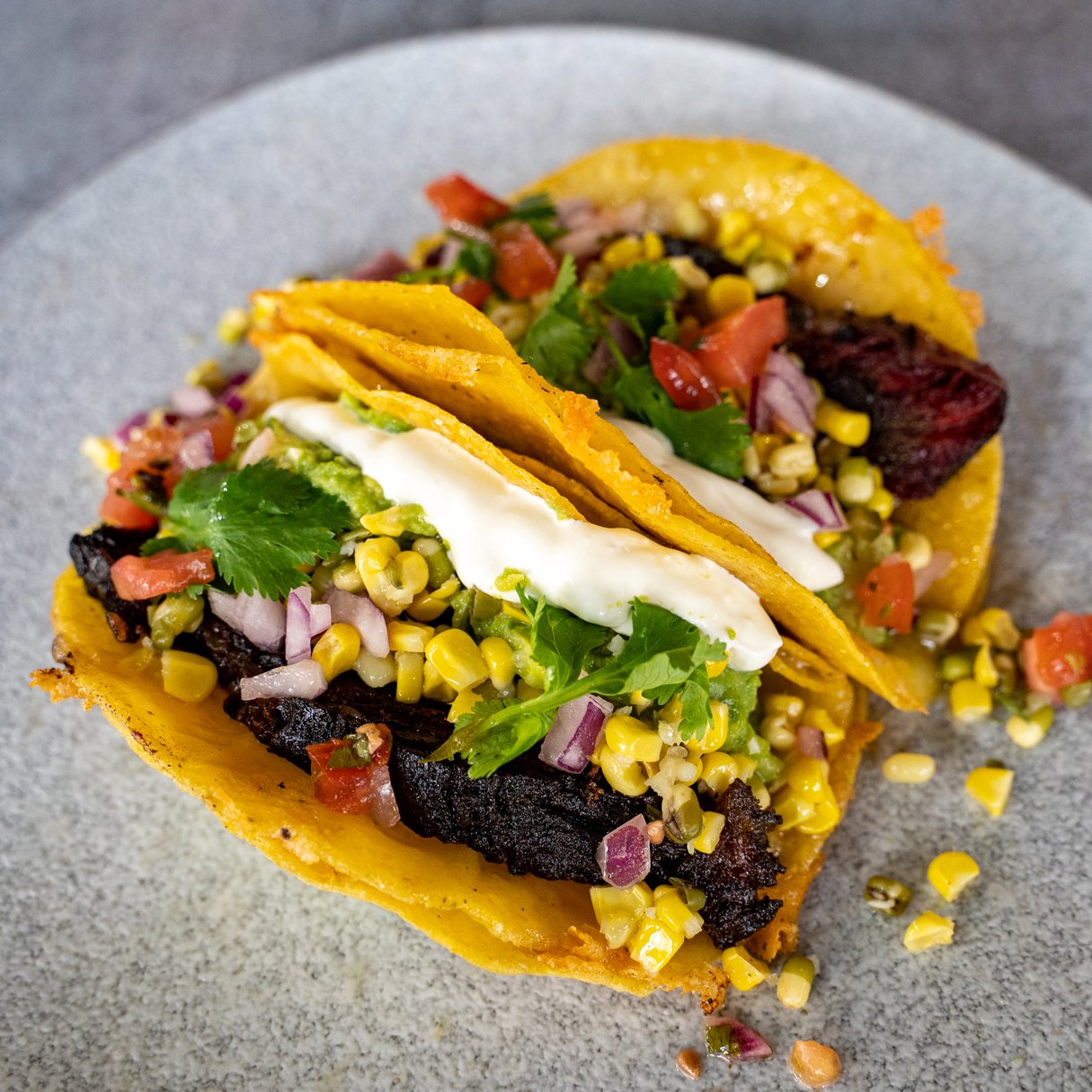
With dairy a source of protein, Caroline says it’s often easy to increase the protein component of meals through the addition of products like cheese, yoghurt and milk. “Dairy is a great go-to for adding more protein into the staple meals on your menu. Cheeses, especially hard cheeses like parmesan which are around 35 per cent protein, are great choices, while yoghurt tends to be around 20g of protein per cup. These are very easy products to add in to recipes. For example, you can load up fries with cheddar and parmesan and that can add an extra 20g of protein per serve. Or you can add cheese to your potato mash – an extra 100g of cheddar or parmesan will give you 35g more of protein. Another idea is to serve some yoghurt raita dip with your rice.
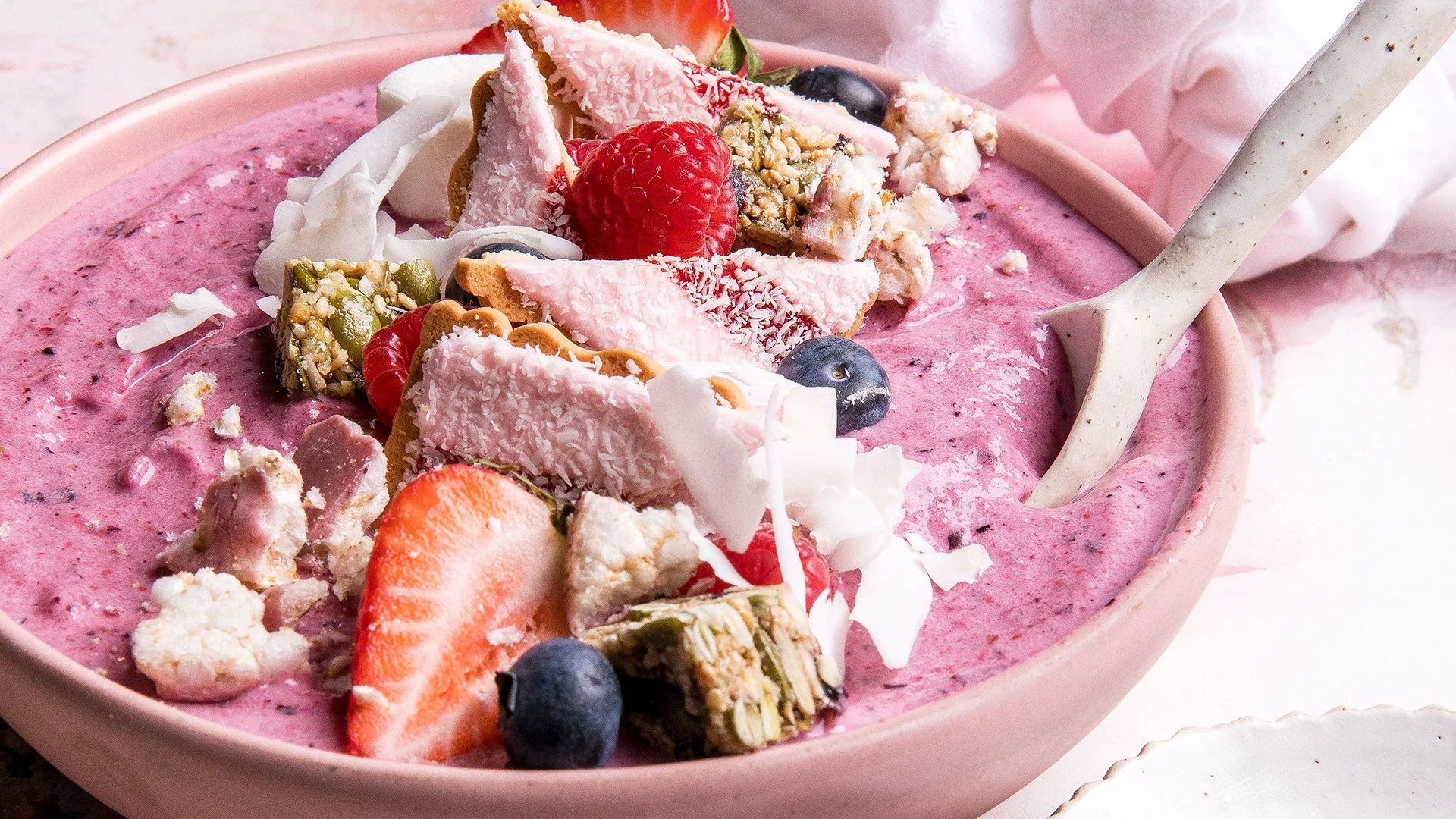
“An important point for foodservice professionals to be aware of is that protein doesn’t denature when it’s cooked,” she adds. “Some nutrients such as vitamins are affected by heat, but you can cook cheese, yoghurt or milk and it doesn’t affect the protein component.”
“You can cook cheese, yoghurt or milk and it doesn’t affect the protein component”
Responding to growing demand
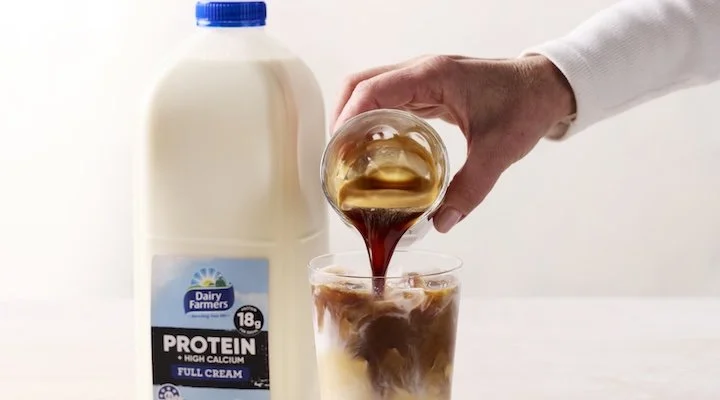
In response to the growing demand for protein boosted products, last year Bega introduced Dairy Farmers High Protein Full Cream Milk, which contains almost double the usual amount of protein in full cream milk. First made available in WA, it’s since launched nationally.

“Dairy Farmers Full Cream Milk has 3.4g protein per 100ml, whereas Dairy Farmers High Protein Full Cream Milk has 6g per 100ml, which is 70 per cent more protein – and this has been achieved with no difference to the flavour,” Caroline says. “It’s being promoted as the perfect choice for those looking to support muscle growth and maintenance – and it’s been in double digit growth since it came out mid last year, so there’s clearly a strong market demand for it. It is priced higher than regular full cream milk and people are willing to pay the extra to get that extra protein without having to compromise on flavour or other nutrients. It’s also ideal for foodservice, such as making high protein smoothies or coffees – again, it’s a quick and easy way to add an extra protein shot and you can charge extra for it, just as you would for soy or almond milk, so it’s an opportunity to grow your cheque.”

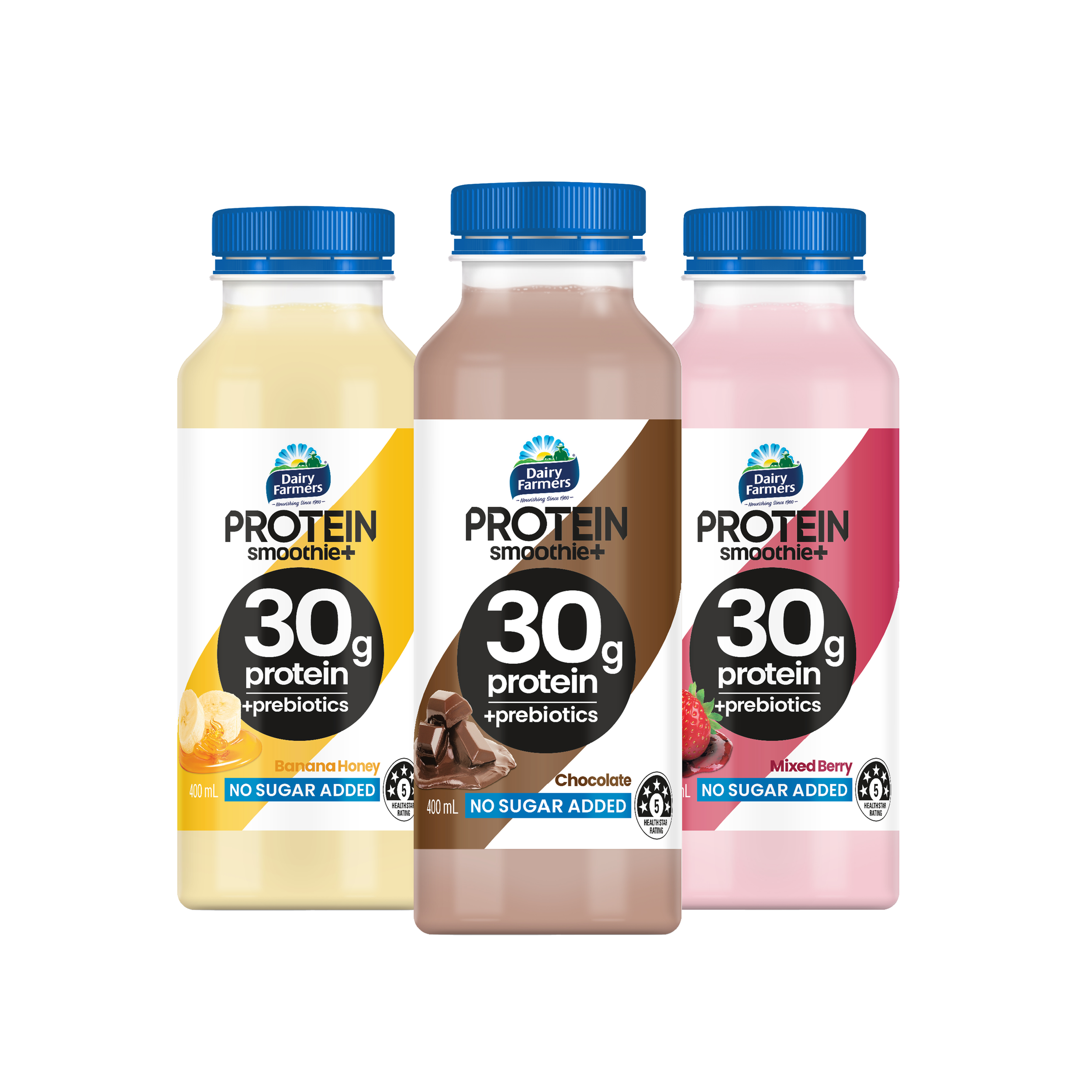
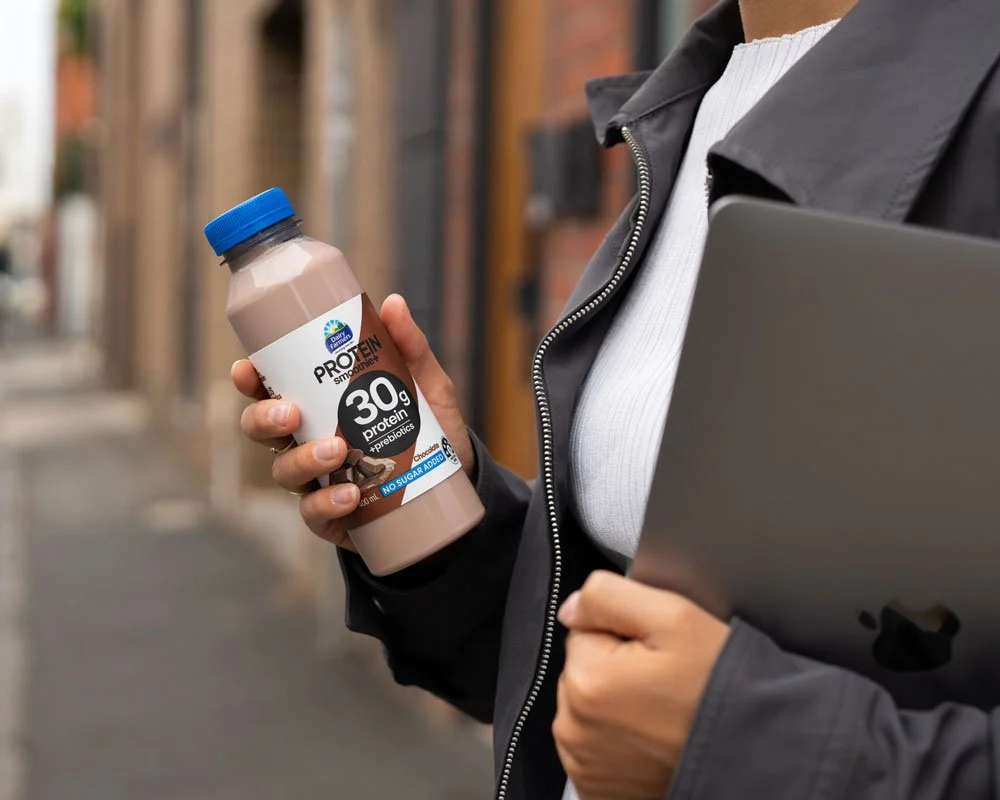
Bega also markets drinks such as Dairy Farmers Protein Smoothies and has added protein call outs to its product packaging on other items such as Farmers Union Yoghurt. “It’s just about drawing attention, because people may not realise how much protein is in these products,” Caroline says. “A lot of consumers associate protein with red meat and may not realise what a great source dairy products are – it’s important for them to understand that if they want to decrease their consumption of meat, they can avoid missing out on protein by increasing their consumption of dairy accordingly. We are putting a lot of support behind these products precisely because protein is so on-trend.”
QSR sector leading the charge

ADAM MOORE
Consultant Chef Adam Moore says the QSR sector is currently leading the protein plus charge in foodservice. “Zambrero, Guzman y Gomez, Fishbowl and Cali Press are doing a lot in this area and if you look at their menus, they’re fresh-focused, with high protein components, plus both Fishbowl and Cali Press have recently re-engineered their menus with protein-rich smoothies like Cali Press’ G.O.A.T, The Arnold, Power Greens and Peanut Butter Choc.
“In broader foodservice, a lot of chefs are still saying ‘I’ll just make a bigger protein serve, by using more lamb or chicken’ but that’s not actually on trend. When you consider that a lot of your customers are boosting their protein intake because they’re on a GLP-1 treatment, that means they’re also looking to reduce their carb and sugar intake. So you need to bear that in mind and balance the overall dish accordingly.
“Consumers are looking for smaller portions, less complex meals, but with more protein and more umami”
“So instead of serving a beef skewer with a satay or sticky barbecue sauce, you might serve it with a chimichurri, which is lower in sugar and therefore in carbs. Chefs also need to understand it’s not necessarily about making the serve bigger – rather it’s about taking out the components that the customer doesn’t want. So you might serve a simple salad or a sauce that’s not sugar laden but the dish still contains 200g of protein. This is why the QSRs are winning because they’re doing poke bowls with lots of avocado, good clean oils, salmon or tuna or chicken. Their typical portion would give you 15 to 20g of protein, and you’ll also have the option to boost it by an additional 14g or so.”
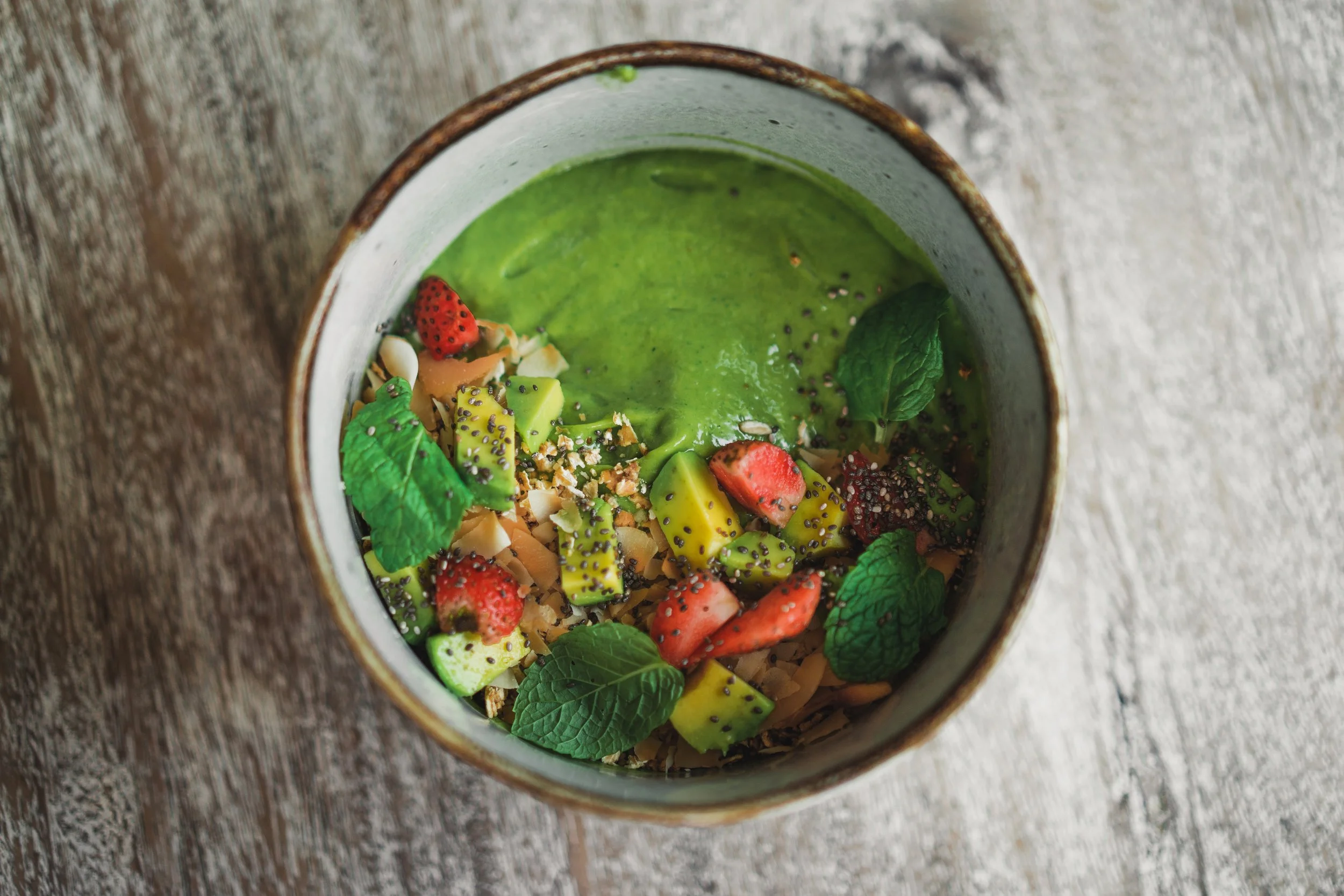
Adam says it’s also important to include ingredients that will complement your protein component, emphasising low GI choices – “so brown rice rather than white, or quinoa in place of rice. Dressings are also an important consideration – I mentioned chimichurri, another great choice is green goddess which is avocado-based. Move away from the mayos and go instead to more oil-based dressings, like vinaigrettes made with cider vinegars or vinegar with must.
“Consumers looking for these choices won’t be going to McDonald’s for a wrap but they’ll be happy to pay $20 to $30 for a poke bowl. It’s also the case that these customers won’t necessarily be ordering an entrée, main and dessert – they’re more likely to just order a main, but they are prepared to spend more to get more protein, so if you get your menu components right, the meal spend will go up.
“They will be looking for smaller portions, less complex meals, but with more protein and more umami, so you should be looking at ingredients which can boost the flavour profile. For dessert they might go for a chia pudding with no sugar, or an avocado chocolate mousse where the avocado balances out the cocoa. Dairy products like sour cream or yoghurt is a great choice here to boost your protein. Essentially it’s back to low GI principles of food that keeps you fuller for longer.”