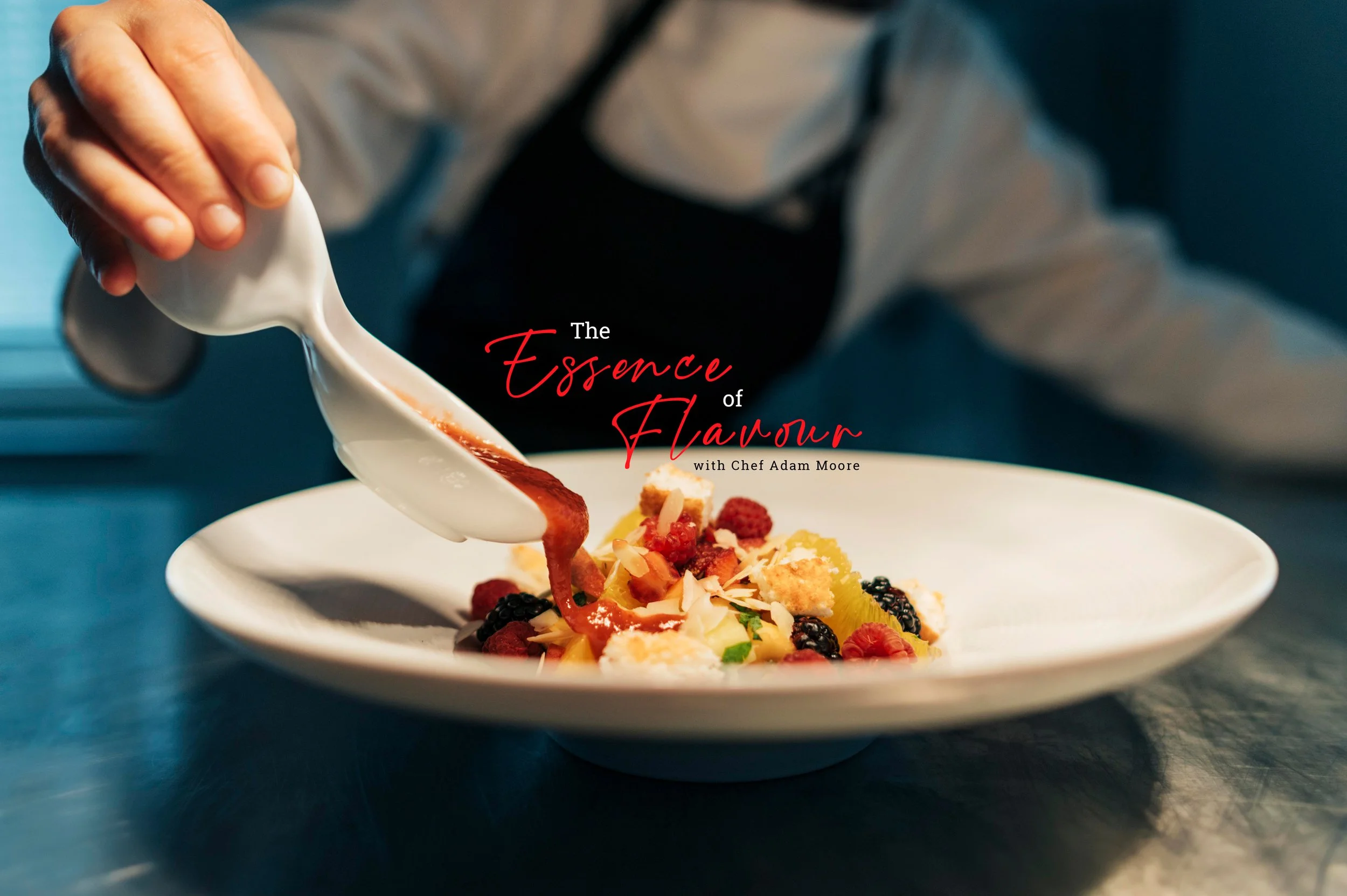
Why spring tastes fresh and how science can inspire your next menu
/By Chef Adam Moore
Perhaps the biggest misconception in modern kitchens is believing that colour and flavour are separate. They aren’t.
Long before a guest tastes a dish, their brain has already started writing the flavour story. Neuroscientists call this predictive coding: a process in which the brain uses visual cues, experience, aroma and texture to anticipate taste before food ever reaches the tongue. Studies even show that visual information can influence flavour perception hundreds of milliseconds before the first bite.
The science behind spring
Spring vegetables are biologically young. Their cells are dividing rapidly, chlorophyll levels are high, lignin (providing structural support, rigidity and waterproofing to plant cell walls) has not yet fully developed and stored carbohydrates remain in simple, easily accessible forms rather than as complex structural starches.
This is why baby vegetables taste so different from their mature counterparts. Young carrots contain higher levels of glucose and fructose with less lignified fiber. Fresh peas are rich in sucrose immediately after harvest, before enzymes begin converting sugars into starch. Broad beans have softer cellulose structures, giving them a creamier sweetness, while early season asparagus contains less lignin, resulting in remarkable tenderness.
Freshness is a chemical race against time
Every ingredient continues to live after harvest. Cells keep respiring, sugars continue to metabolise, enzymes remain active and moisture steadily evaporates. With every passing minute, flavour changes.
A freshly picked pea begins converting sugar into starch almost immediately. Spinach loses vitamin C within hours. Fresh herbs shed volatile terpenes each time they are exposed to air. Spring cooking, therefore, rewards speed not just for efficiency but for preservation.
The goal is not simply to serve seasonal ingredients but to interrupt chemistry before flavour disappears. Perhaps chefs should stop asking “What’s fresh today?” and instead ask, “How much chemistry has already happened?”
“Colour does not change flavour chemically but it profoundly changes how flavour is perceived”
Chlorophyll is more than colour
Every apprentice learns to blanch green vegetables but few are taught why.
Chlorophyll contains magnesium at its core. When heated, especially in acidic conditions, magnesium is replaced by hydrogen ions, forming pheophytin the dull olive pigment associated with overcooked greens.
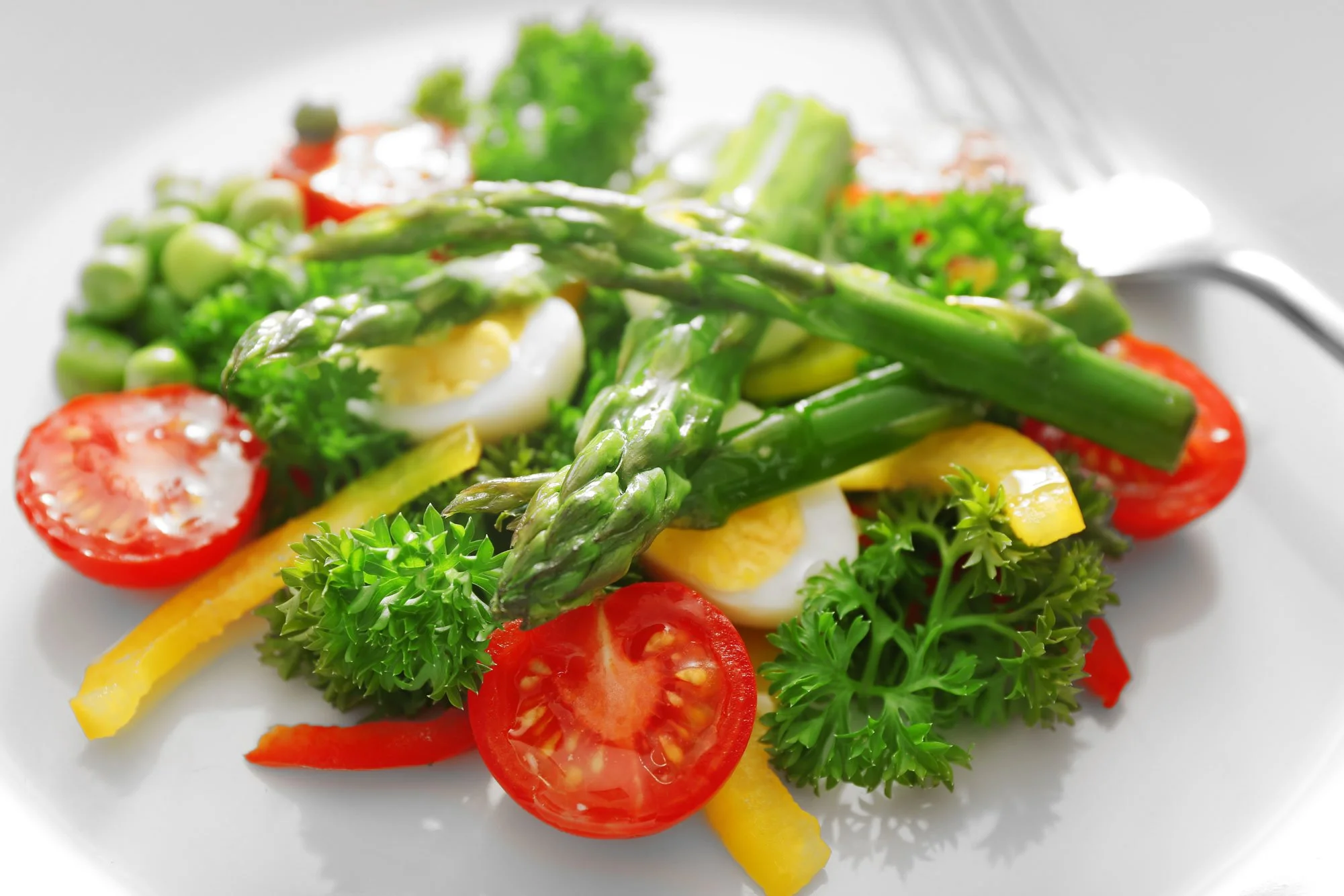
While this is often treated as a visual issue, it is also a psychological one. Visual neuroscience shows that guests associate vibrant greens with freshness, sweetness and crispness before tasting. A dull asparagus spear lowers expectations; a bright one elevates them.
Colour does not change flavour chemically but it profoundly changes how flavour is perceived.
Aroma is the true flavour of spring
Around eighty percent of flavour is aroma. Spring ingredients are especially rich in volatile compounds such as aldehydes, esters, terpenes and alcohols, all of which evaporate rapidly.
This is why time and temperature matter so much. Every minute under a heat lamp or exposed to air is a loss of flavour potential.
Let’s look at basil: its unique signature aroma and flavour comes from a combination of linalool, eugenol and methyl chavicol. These compounds begin escaping the moment the leaf is torn. The scent that fills a kitchen is not flavour being created but flavour being lost. The same is true for coriander, dill, mint, and lemon verbena.
Perhaps herbs should no longer be treated as garnish. They are the final, most fragile delivery system of flavour.
Spring menu through science
Rather than relying on tradition alone, chefs can pair ingredients through shared flavour compounds – a principle known as molecular pairing. It explains why unexpected combinations often work so well.
Dish: “Botanical Red” – fried soft shell crab with compressed strawberry, buffalo curd, tomato water, granita finger lime pearls and basil oil.
Compressed strawberries and semi-dried heirloom tomatoes are layered over whipped buffalo curd with lightly fried soft shell crab, topped with tomato water granita and finger lime pearls, then finished tableside with native basil oil to create a balanced progression of fresh aldehydes, lactic richness, saline acidity, citrus bursts and crisp textural contrast.
Dish: “The Green Continuum” – butter poached quail, mint and matcha peas with macadamia crumble.
Lightly crushed blanched peas and poached quail are paired with a warm matcha-cultured butter espuma, fresh mint oil and roasted macadamia crumble to deliver a layered progression of vegetal sweetness, cooling herbaceous lift, savoury umami, rich protein depth and nutty crunch.
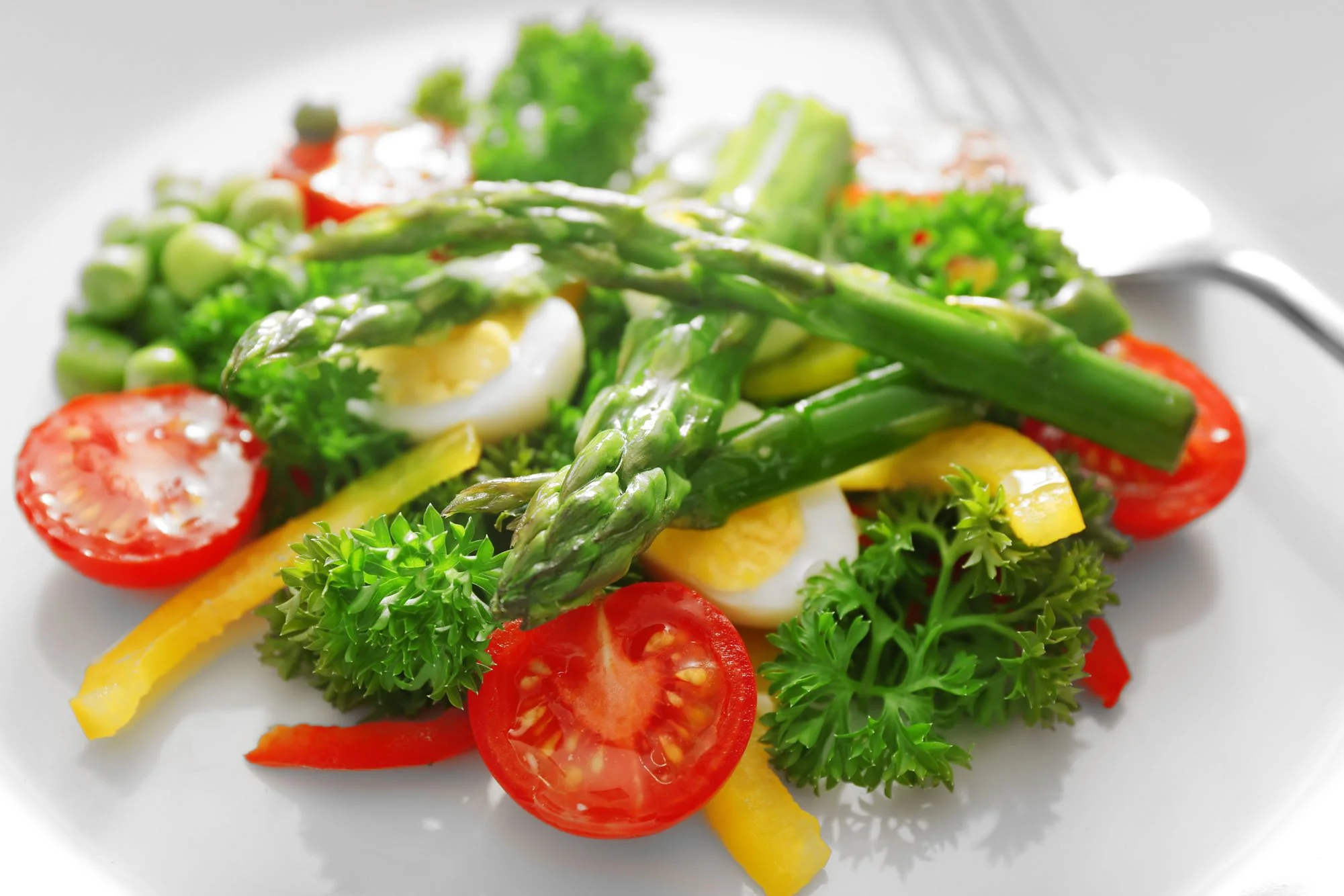
Dish: “Umami Spring” – asparagus with koji butter, fermented lemon gel, fried saltbush and confit egg yolk.
Early season asparagus glazed with koji cultured butter is paired with a slowcooked confit egg yolk, fermented lemon gel and fried saltbush leaves, creating a layered balance of vibrant greens, deep umami, mineral salinity, bright acidity and rich emulsified texture.
Dish: “Acid Architecture” – compressed green apple, honey and vinegar gel, cured trout with a yoghurt sorbet and lemon mrytle cream.
Compressed green apple, cured ocean trout, lemon myrtle cream, yoghurt sorbet and honey vinegar gel combine to deliver a layered progression of crisp malic acidity, bright citrus aromatics, saline richness, creamy lactic balance and lingering fermented sweetness.
Dish: “Flame & Blossom” – elderflower smoked duck, brown butter charred cabbage with champagne buerre blanc and battered elderflower.
Brown butter charred cabbage and elderflower smoked duck breast with a light champagne beurre blanc creates a balance of smoky sweetness, floral aromatics, savoury richness, bright acidity and elegant depth.
Dish: “The Last Bloom” – goat milk frozen mousse, roasted barley crumble, anise mrytle honey, white chocolate snow.
Goat’s milk frozen mousse, white chocolate snow, anise myrtle-infused spring honey, roasted barley crumble and cultured cream come together to create a light seasonal dessert layered with floral sweetness, bright acidity, subtle bitterness and delicate aromatic complexity.
Australia’s greatest spring pantry
Australia’s native indigenous ingredients offer powerful tools for chefs because they solve flavour problems rather than simply adding novelty.
Finger lime delivers bursts of acidity that release gradually across the palate. Lemon myrtle provides intense citrus aroma without moisture. Geraldton wax adds floral citrus complexity. Saltbush offers mineral salinity with subtle sweetness. Anise myrtle delivers liquorice-like aromatic depths across savoury and sweet applications.