The Essence of Summer
/In this instalment of his Essence of Flavour series, Chef Adam Moore explores the flavour science behind flavour trends shaping the modern summer menu, breaking down how acidity, fat and fermentation heighten perception, balance and complexity on the plate.
Some of the most memorable summer foods are built on remarkably complex flavour science. Acidity changes our perception of salt and sweetness, temperature alters aroma release, fat carries volatile compounds and fermentation introduces acidity, umami and aromatic complexity. Texture changes how quickly flavour is released. Even the sound and sensation of crisp food can reinforce our perception of freshness.
The great summer menu therefore begins not simply with ingredients but with perception.
Acid stimulates salivation and refreshes the palate
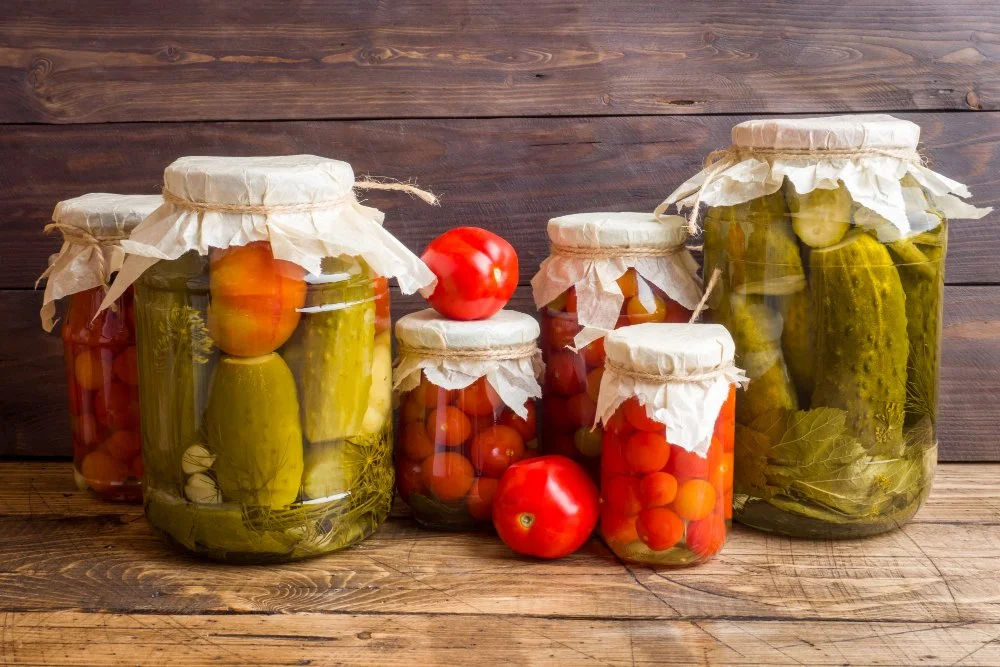
Acidity is perhaps the most important tool in a summer kitchen. And not simply lemon juice. Verjus, finger lime, tamarind, passionfruit, vinegar, fermented fruit, yoghurt, buttermilk, green mango, pickled vegetables and lactofermented juices all provide different expressions of acidity.
Acid can reduce our perception of heaviness and bring definition to sweetness, fat and richness. It stimulates salivation, refreshes the palate and can make a dish feel more energetic.
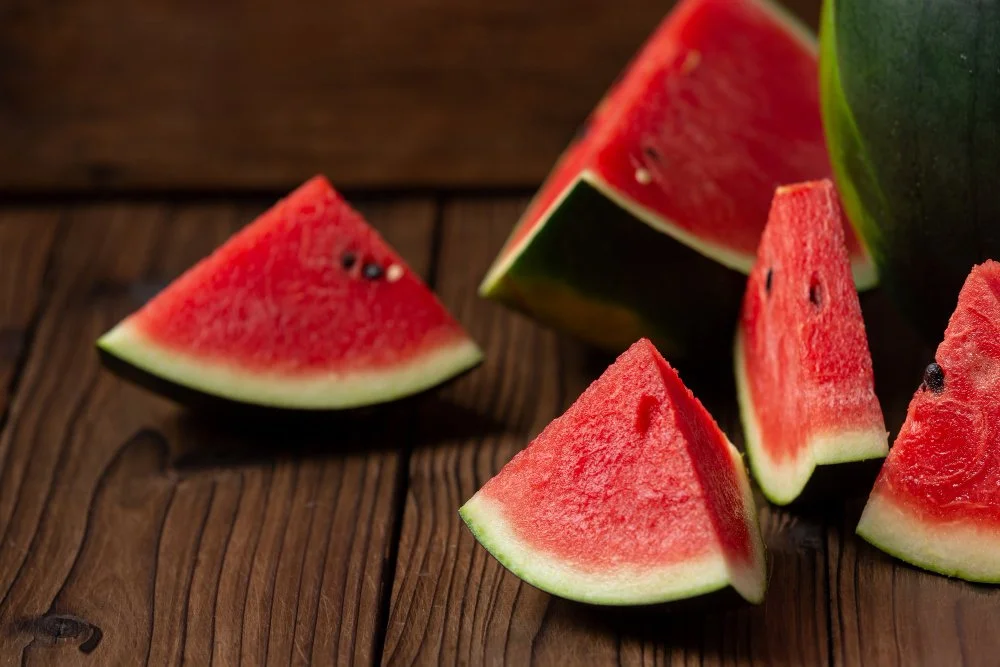
Consider the example of watermelon: with sugar it becomes sweeter, with lime it becomes brighter.
Watermelon with lime, salt and chilli suddenly becomes multidimensional.
Nothing mysterious has happened. We have simply activated several sensory pathways simultaneously: sweetness, acidity, salinity, aroma and trigeminal heat. That principle can be applied across an entire summer menu.
Fat carries aroma
Summer food should not necessarily be low in fat. It should use fat intelligently.
Many important aromatic compounds interact readily with fats. Olive oil carrying basil, cultured cream with stone fruit, brown butter with corn or sesame oil with cucumber can therefore act as aromatic delivery systems.
The challenge is balance: fat creates persistence, acid creates lift; put them together and flavour becomes both long and bright.
Fermentation: controlled complexity
Fermentation is particularly useful in summer menu development because it can provide complexity without relying on heaviness.
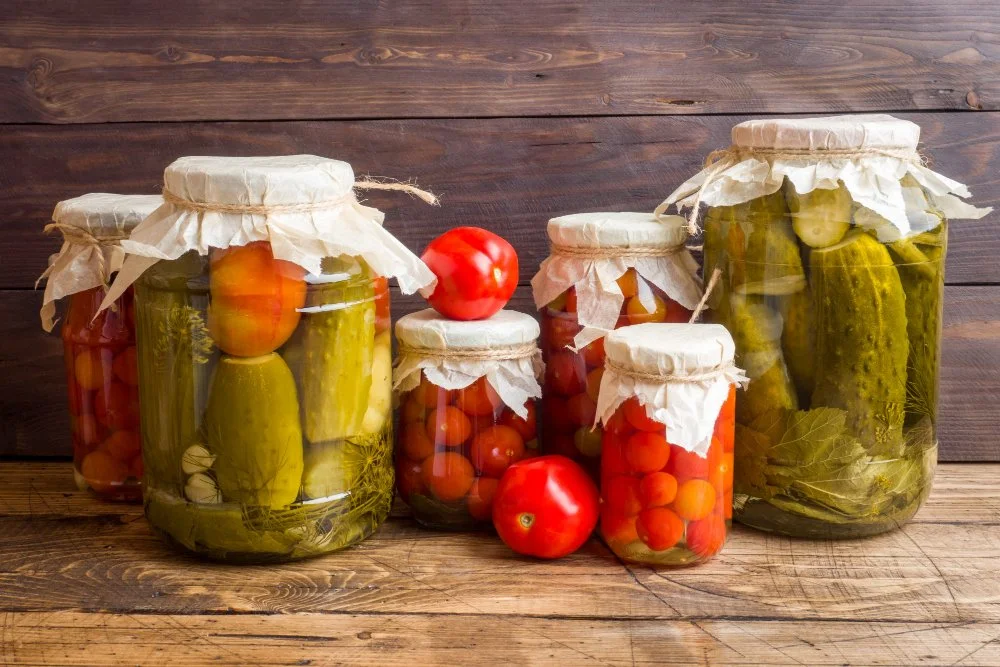
Lactofermented peach juice can season raw fish. Fermented tomato water can become the acidic backbone of a dressing. Green strawberries can be fermented and treated almost like capers.
Fermented chilli can bring acidity and fruit as well as heat. Fruit vinegars can provide acidity while retaining the aromatic identity of the original fruit.
Fermentation allows a chef to take the abundance of summer and move it into different sensory spaces. A fresh peach, grilled peach, fermented peach liquor and peach vinegar may begin with exactly the same fruit, yet each behaves completely differently on the plate.